What is Comprehensive Income in Investment Accounting?
Understand comprehensive income in investment accounting, its components, and how it impacts financial statements and investor decisions.
Introduction to Comprehensive Income
When you look at a company's financial health, you often start with net income. But there’s more to the story. Comprehensive income gives you a fuller picture of a company’s financial performance beyond just profits and losses.
In investment accounting, understanding comprehensive income helps you see all changes in equity from non-owner sources. This insight is crucial for making smarter investment choices and assessing true company value.
What is Comprehensive Income?
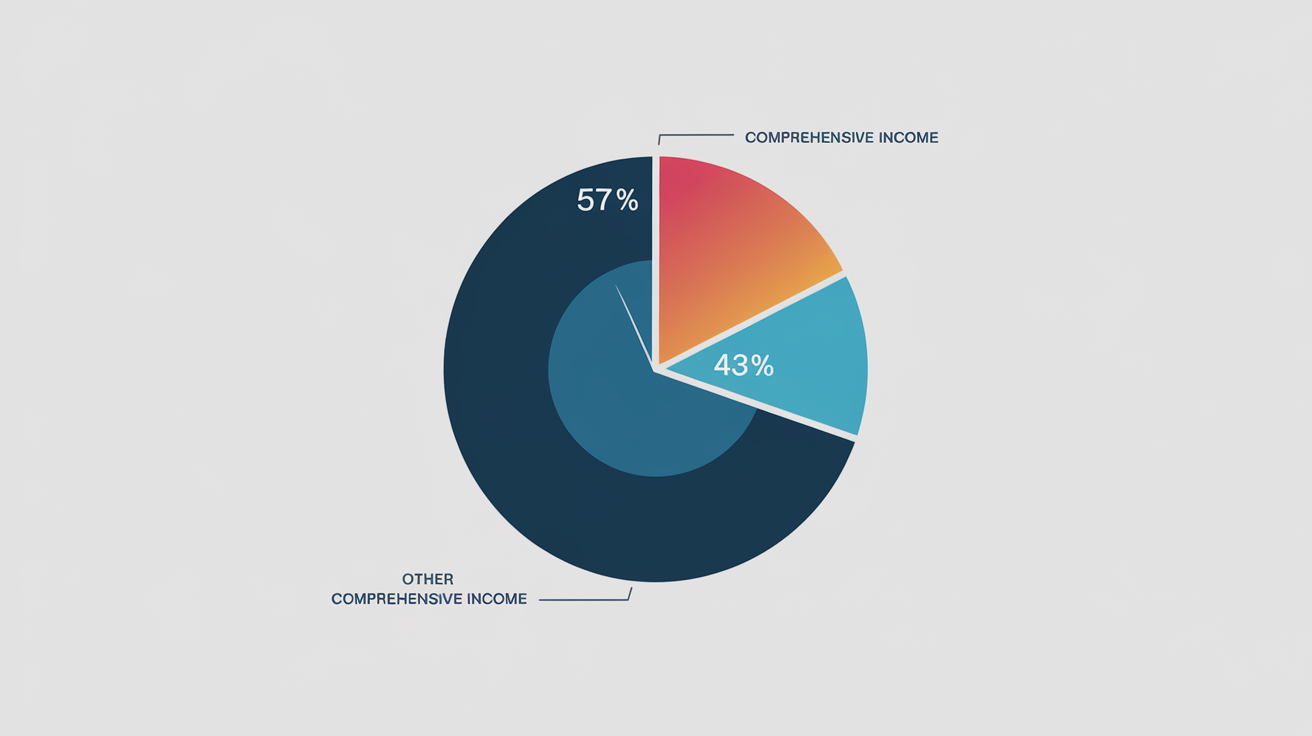
Comprehensive income includes all changes in equity during a period except those resulting from investments by owners or distributions to owners. It extends beyond net income by capturing gains and losses that are not part of regular operations.
This means it covers items that affect shareholders' equity but don’t appear on the income statement. Investors use comprehensive income to evaluate a company’s overall financial performance more accurately.
Components of Comprehensive Income
- Net Income:
The traditional profit or loss from operations.
- Other Comprehensive Income (OCI):
Includes items like unrealized gains or losses on certain investments, foreign currency translation adjustments, and pension plan gains or losses.
Why Does Comprehensive Income Matter?
Comprehensive income provides a broader view of financial performance. It helps investors and analysts understand risks and opportunities that net income alone might miss.
For example, unrealized gains on investments can signal potential future profits, while foreign currency losses might indicate exposure to international risks.
Improves transparency by showing all equity changes.
Helps assess long-term financial health.
Supports better risk management decisions.
How is Comprehensive Income Reported?
Companies report comprehensive income in financial statements through two main methods:
- Single Statement Approach:
Combines net income and other comprehensive income into one continuous statement.
- Two Statement Approach:
Presents net income in the income statement and other comprehensive income in a separate statement.
Both methods must reconcile total comprehensive income with changes in equity on the balance sheet.
Examples of Other Comprehensive Income Items
- Unrealized Gains/Losses on Available-for-Sale Securities:
Changes in market value not yet sold.
- Foreign Currency Translation Adjustments:
Gains or losses from converting foreign operations’ financials.
- Cash Flow Hedge Gains/Losses:
Effective portions of hedging instruments.
- Changes in Pension Liabilities:
Adjustments due to actuarial gains or losses.
Impact on Investment Decisions
Investors who consider comprehensive income get a more complete financial picture. This helps in:
Identifying hidden risks from currency or market fluctuations.
Understanding the full impact of investment portfolio changes.
Making informed decisions about company valuation and future performance.
Ignoring comprehensive income might lead to overlooking important financial shifts that affect shareholder value.
Common Misconceptions About Comprehensive Income
Many investors confuse net income with comprehensive income. Remember, net income is just one part of the total picture.
Comprehensive income includes both realized and unrealized gains/losses.
It reflects changes not captured in the profit and loss statement.
It does not include owner transactions like dividends or stock issuance.
How Accounting Standards Treat Comprehensive Income
Accounting standards like IFRS and US GAAP require companies to report comprehensive income clearly. They define what qualifies as other comprehensive income and how to present it.
This standardization ensures consistency and comparability across companies and industries, helping investors analyze financial statements effectively.
Key Standards to Know
- IFRS:
IAS 1 requires presentation of comprehensive income either in one statement or two separate statements.
- US GAAP:
FASB ASC Topic 220 outlines comprehensive income reporting requirements.
Conclusion
Comprehensive income is a vital concept in investment accounting. It goes beyond net income to include all changes in equity from non-owner sources.
By understanding and analyzing comprehensive income, you gain deeper insights into a company’s financial health, risks, and potential. This knowledge empowers you to make smarter, more informed investment decisions.
FAQs
What is the difference between net income and comprehensive income?
Net income reflects profits from operations, while comprehensive income includes net income plus other gains or losses not shown on the income statement.
Why is other comprehensive income important for investors?
It reveals unrealized gains or losses and risks that affect equity but are not captured in net income, offering a fuller financial picture.
How do companies report comprehensive income?
They use either a single continuous statement combining net income and OCI or two separate statements for each.
Can comprehensive income affect stock prices?
Yes, because it shows hidden financial changes that can influence investor perception and company valuation.
Does comprehensive income include dividends paid to shareholders?
No, dividends are transactions with owners and are excluded from comprehensive income calculations.