What Is Sector ETF In Investment?
Discover what sector ETFs are, how they work, and why they matter for smart investing. Learn to diversify and target industries effectively.
Introduction
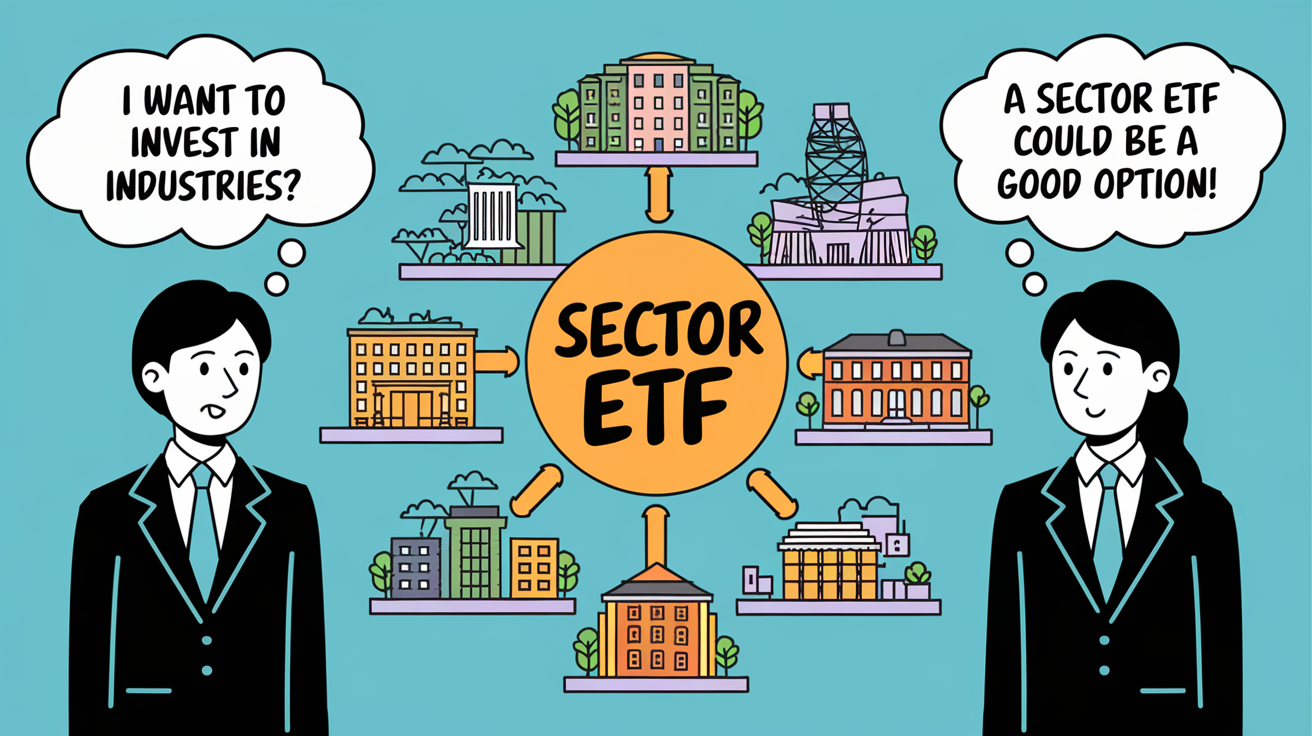
When you want to invest in the stock market, you might hear about sector ETFs. These are special funds that focus on specific parts of the economy, like technology or healthcare. Understanding sector ETFs can help you invest smarter and build a portfolio that matches your goals.
In this article, we will explore what sector ETFs are, how they work, and why they can be a useful tool for investors. You'll learn how to use them to diversify your investments and target industries you believe will grow.
What Is a Sector ETF?
A sector ETF, or Exchange-Traded Fund, is a type of investment fund that tracks the performance of a specific sector of the economy. Instead of buying individual stocks, you buy shares of the ETF, which holds a basket of stocks from one industry.
For example, a technology sector ETF includes stocks from companies like Apple, Microsoft, and Google. This way, you get exposure to the whole sector without picking single stocks.
Sector ETFs trade on stock exchanges like regular stocks.
They provide diversification within one industry.
They are usually more affordable than buying many individual stocks.
How Do Sector ETFs Work?
Sector ETFs track an index that represents a specific industry. The fund manager buys stocks that match the index’s composition. When the sector’s stocks go up or down, the ETF’s value changes accordingly.
Because sector ETFs are traded like stocks, you can buy or sell them anytime during market hours. This flexibility makes them attractive for investors who want to adjust their portfolios quickly.
They offer liquidity and easy access to sectors.
Expense ratios are generally lower than mutual funds.
Dividends from the underlying stocks may be paid to ETF holders.
Popular Sector ETFs to Know
There are many sector ETFs available, each focusing on a different part of the economy. Some of the most popular sectors include:
- Technology:
Includes software, hardware, and internet companies.
- Healthcare:
Covers pharmaceuticals, biotech, and medical devices.
- Financials:
Banks, insurance companies, and investment firms.
- Energy:
Oil, gas, and renewable energy companies.
- Consumer Discretionary:
Retail, entertainment, and luxury goods.
Choosing the right sector ETF depends on your investment goals and market outlook.
Benefits of Investing in Sector ETFs
Sector ETFs offer several advantages for investors looking to diversify or focus on specific industries.
- Diversification:
Spread your risk across many companies in one sector.
- Targeted Exposure:
Invest in industries you believe will outperform.
- Cost-Effective:
Lower fees compared to actively managed funds.
- Flexibility:
Buy or sell shares anytime during market hours.
- Transparency:
Holdings are usually published daily.
Risks to Consider with Sector ETFs
While sector ETFs have benefits, they also come with risks you should understand before investing.
- Sector Concentration:
Your investment depends heavily on one industry’s performance.
- Market Volatility:
Some sectors, like technology or energy, can be more volatile.
- Economic Cycles:
Sectors may perform differently depending on the economy’s state.
- Tracking Error:
ETFs may not perfectly match the index returns.
Balancing sector ETFs with other investments can help manage these risks.
How to Use Sector ETFs in Your Portfolio
Sector ETFs can be a powerful tool to customize your investment strategy. Here are some ways to use them effectively:
- Diversify:
Add sector ETFs to balance your portfolio across industries.
- Sector Rotation:
Shift investments between sectors based on economic trends.
- Focus on Growth:
Invest in sectors with strong growth potential.
- Hedge Risks:
Use defensive sectors like utilities during downturns.
Always consider your risk tolerance and investment timeline when choosing sector ETFs.
Conclusion
Sector ETFs are a flexible and cost-effective way to invest in specific parts of the economy. They offer diversification within industries and allow you to target sectors you believe will grow.
By understanding how sector ETFs work and their risks, you can use them to build a smarter, more balanced portfolio. Whether you want to focus on technology, healthcare, or any other sector, these ETFs provide an easy way to invest with confidence.
What is the difference between a sector ETF and a regular ETF?
A sector ETF focuses on stocks from one specific industry, while a regular ETF may track a broader market index covering many sectors.
Are sector ETFs riskier than diversified ETFs?
Yes, sector ETFs are generally riskier because they concentrate on one industry, making them more sensitive to sector-specific events.
Can I buy sector ETFs through my regular brokerage account?
Yes, sector ETFs trade on stock exchanges and can be bought or sold through most brokerage accounts like regular stocks.
Do sector ETFs pay dividends?
Many sector ETFs pay dividends, which come from the underlying stocks held in the fund, but dividend amounts vary by sector.
How do I choose the right sector ETF for my portfolio?
Consider your investment goals, risk tolerance, and market outlook. Research sectors with growth potential or defensive qualities that fit your strategy.