What is Weak Currency in Forex Investment?
Understand what a weak currency means in forex investment, its causes, effects, and how to navigate currency fluctuations effectively.
Introduction
When you start investing in forex, understanding currency strength is crucial. A weak currency can impact your trades and overall portfolio significantly. Knowing what makes a currency weak helps you make smarter decisions.
In this article, we will explore what a weak currency means in forex investment, why currencies weaken, and how you can protect your investments from currency volatility.
What is a Weak Currency in Forex?
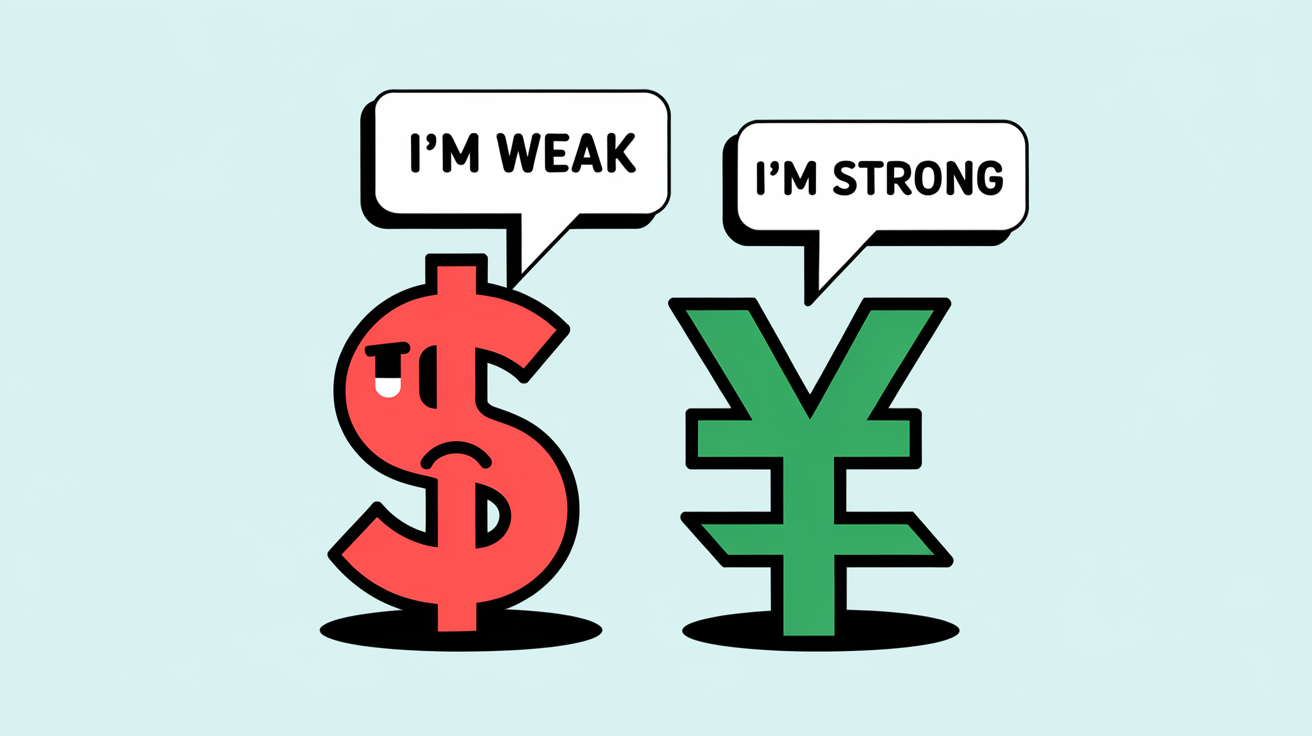
A weak currency is one that has lost value compared to other currencies. In forex trading, this means it buys fewer units of foreign currency than before. Weakness can be relative to one or many currencies.
For example, if the US dollar weakens against the euro, it means one dollar now buys fewer euros than previously. This change affects import costs, export competitiveness, and investment flows.
Weak currency lowers purchasing power abroad.
It often signals economic challenges or policy changes.
Forex traders watch weak currencies for potential profit or risk.
Causes of Currency Weakness
Several factors can cause a currency to weaken. Understanding these helps you anticipate market moves and adjust your forex strategy accordingly.
- Economic Indicators:
Poor GDP growth, high unemployment, or low industrial output can reduce confidence in a currency.
- Inflation Rates:
High inflation erodes currency value by reducing purchasing power.
- Interest Rates:
Lower interest rates tend to weaken a currency as investors seek better returns elsewhere.
- Political Instability:
Uncertainty or conflict can scare investors away, weakening the currency.
- Trade Deficits:
When a country imports more than it exports, demand for foreign currency rises, weakening the local currency.
- Central Bank Policies:
Actions like quantitative easing or currency interventions can devalue a currency.
Effects of a Weak Currency on Forex Investment
A weak currency can create both risks and opportunities for forex investors. Knowing these effects helps you manage your trades better.
- Increased Volatility:
Weak currencies often experience sharp price swings, increasing risk.
- Export Advantage:
Countries with weak currencies may boost exports, affecting related stocks and forex pairs.
- Inflation Impact:
Imported goods become more expensive, influencing economic policies and currency trends.
- Investment Flows:
Investors might pull money out of weak currency markets, causing further depreciation.
- Hedging Needs:
Investors may use hedging strategies to protect against currency weakness.
How to Identify a Weak Currency in Forex
Spotting a weak currency early can improve your trading outcomes. Here are practical ways to identify weakness:
- Compare Exchange Rates:
Track currency pairs over time to see declining trends.
- Monitor Economic News:
Follow reports on inflation, interest rates, and political events.
- Use Technical Analysis:
Look for downward trends, moving averages, and support breaks in charts.
- Check Central Bank Statements:
Policy hints often precede currency moves.
- Watch Market Sentiment:
Investor confidence indicators can signal weakening currencies.
Strategies to Manage Weak Currency Risks
Investing in forex with weak currencies requires careful planning. Here are some strategies to help you manage risks:
- Diversify Your Portfolio:
Avoid heavy exposure to one currency to reduce risk.
- Use Stop-Loss Orders:
Protect your trades from large losses during volatility.
- Hedge Currency Exposure:
Use options or futures to offset potential losses.
- Stay Updated:
Keep track of economic and political news affecting currencies.
- Focus on Fundamentals:
Invest in currencies with strong economic prospects for long-term gains.
Examples of Weak Currency Situations
Real-world examples help illustrate how weak currencies behave and impact investments.
- Turkish Lira Crisis:
Political instability and inflation caused the lira to weaken sharply, affecting forex traders and import costs.
- Argentine Peso Decline:
Economic turmoil and debt issues led to peso depreciation, increasing inflation and investor caution.
- Japanese Yen Fluctuations:
Low interest rates and central bank policies have periodically weakened the yen, influencing global forex markets.
Conclusion
Understanding what a weak currency means in forex investment is essential for navigating the market confidently. Weak currencies reflect economic and political realities that impact your trading decisions.
By recognizing causes, effects, and strategies to manage weak currency risks, you can protect your investments and seize opportunities in forex trading. Stay informed and adaptable to succeed in this dynamic market.
What factors cause a currency to weaken?
Factors include poor economic growth, high inflation, low interest rates, political instability, trade deficits, and central bank policies that reduce currency value.
How does a weak currency affect imports and exports?
A weak currency makes imports more expensive and exports cheaper, which can boost export-driven industries but increase costs for consumers.
Can forex traders profit from weak currencies?
Yes, traders can profit by shorting weak currencies or investing in currencies expected to strengthen against them.
What tools help identify a weak currency?
Exchange rate trends, economic news, technical analysis, central bank statements, and market sentiment indicators help identify currency weakness.
How can investors protect against currency weakness?
Investors can diversify, use stop-loss orders, hedge with options or futures, and stay updated on economic and political developments.