What Is Official Strike In Labor Economics
Explore the concept of official strikes in labor economics, their causes, legal aspects, and impact on workers and employers.
Introduction
Understanding labor disputes is key to grasping how workers and employers interact. One important concept in labor economics is the official strike. You might wonder what makes a strike "official" and why it matters to both sides.
In this article, we will explore what an official strike is, how it differs from other strikes, and why it plays a crucial role in labor relations and economic outcomes.
What Is an Official Strike?
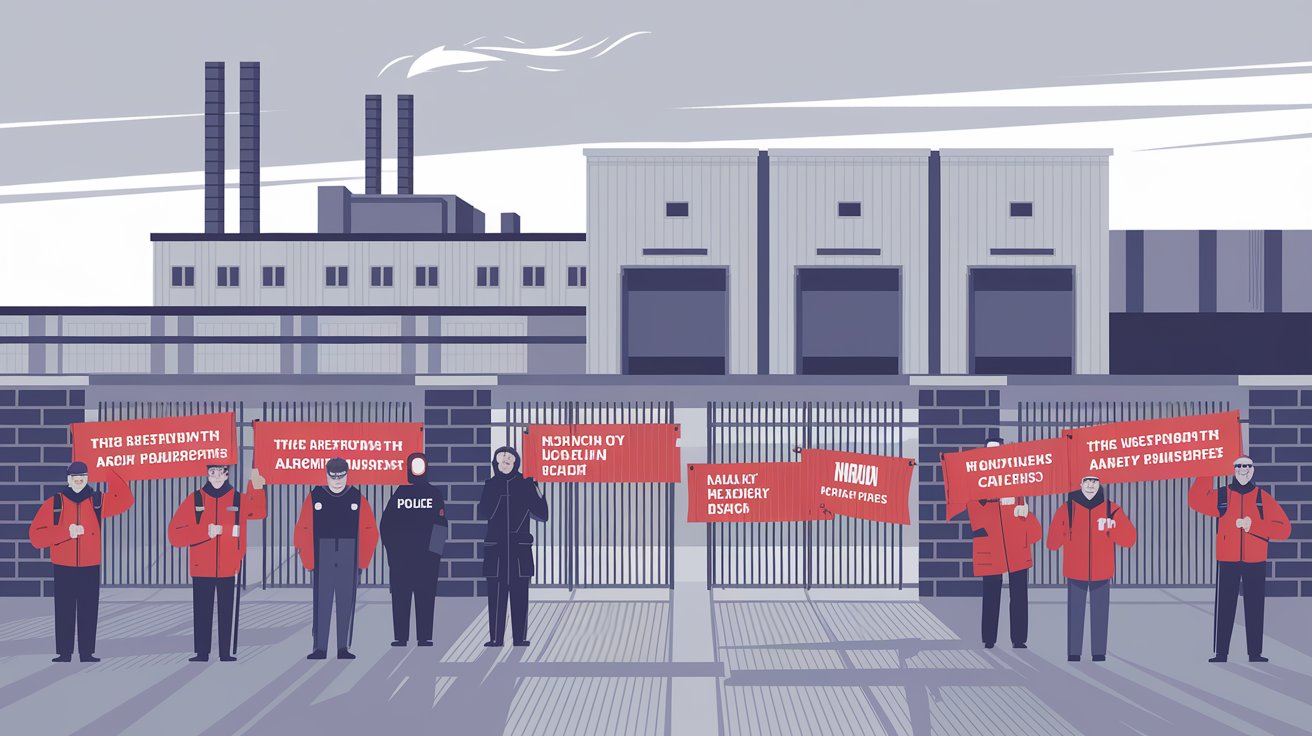
An official strike is a work stoppage that is formally authorized and organized by a recognized labor union or workers’ association. Unlike spontaneous or unofficial strikes, official strikes follow legal procedures and are often backed by union leadership.
They usually occur after failed negotiations or collective bargaining.
The union calls for the strike to pressure the employer for better wages, benefits, or working conditions.
Official strikes comply with labor laws and regulations, which can vary by country.
How Official Strikes Differ From Unofficial Strikes
Unofficial strikes, also known as wildcat strikes, happen without union approval. They are often spontaneous and may not follow legal protocols. Here’s how they differ from official strikes:
- Authorization:
Official strikes have union backing; unofficial do not.
- Legal Protection:
Official strikes are usually protected by law; unofficial strikes may lead to penalties.
- Coordination:
Official strikes are planned; unofficial strikes are often sudden.
Legal Framework Surrounding Official Strikes
Most countries have specific labor laws that regulate official strikes. These laws ensure strikes are conducted fairly and minimize disruption. Key legal aspects include:
- Notice Requirements:
Unions must give employers advance notice before striking.
- Balloting:
Some laws require a strike vote among union members.
- Restrictions:
Certain sectors like emergency services may have limits on striking.
- Protection:
Workers participating in official strikes often have legal protection against dismissal.
Causes of Official Strikes
Official strikes usually arise from unresolved disputes between labor and management. Common causes include:
Disagreements over wages and salary increases.
Demand for improved working conditions or safety measures.
Conflicts over job security or layoffs.
Disputes about benefits like health insurance or pensions.
Economic and Social Impact of Official Strikes
Official strikes can have significant effects on the economy and society. While they aim to improve workers’ conditions, they also come with costs:
- For Workers:
Loss of income during the strike period but potential for better pay or conditions afterward.
- For Employers:
Production delays, financial losses, and reputational damage.
- For the Economy:
Disruptions in supply chains and reduced productivity.
- For Society:
Public inconvenience, especially if essential services are affected.
Examples of Official Strikes
Official strikes have shaped labor relations worldwide. Some notable examples include:
The 2025 National Teachers’ Strike in the United States, organized by the American Federation of Teachers, demanding better pay and smaller class sizes.
The 2026 Transport Workers’ Strike in the UK, called by the National Union of Rail, Maritime and Transport Workers, focusing on safety concerns and wage disputes.
How to Respond to an Official Strike
If you are an employer or manager, handling an official strike requires careful planning. Here are some steps to consider:
Engage in open dialogue with union representatives.
Review and understand the legal rights and obligations.
Prepare contingency plans to minimize operational disruption.
Consider mediation or arbitration to resolve disputes.
Conclusion
Official strikes are a formal and legal way for workers to express grievances and push for better conditions. They are organized by unions and follow specific legal procedures, distinguishing them from unofficial strikes.
While official strikes can disrupt businesses and economies, they remain a vital tool in labor economics for balancing power between employers and employees. Understanding their causes, legal context, and impacts helps you navigate labor relations more effectively.
What is the main difference between an official and unofficial strike?
An official strike is authorized and organized by a recognized union following legal procedures, while an unofficial strike happens without union approval and may lack legal protection.
Are workers protected during an official strike?
Yes, in most countries, workers participating in official strikes have legal protection against dismissal and retaliation during the strike period.
Can all sectors legally conduct official strikes?
No, some sectors like emergency services or essential public services often face legal restrictions or bans on striking to protect public safety.
What usually triggers an official strike?
Official strikes typically occur after failed negotiations over wages, working conditions, job security, or benefits between unions and employers.
How can employers prepare for an official strike?
Employers should communicate with unions, understand legal requirements, plan for operational disruptions, and consider mediation to resolve disputes.