What Is an Investor in Investment? Explained
Understand what an investor is in investment, their roles, types, and how they impact financial markets and wealth building.

Introduction
When you hear the term 'investor,' you might wonder what exactly it means in the world of finance. Simply put, an investor is someone who puts money into financial assets or ventures expecting to earn a profit. Understanding who investors are and how they operate can help you make smarter financial decisions.
In this article, we will explore the concept of an investor, the different types of investors, and their role in the investment ecosystem. Whether you are new to investing or looking to deepen your knowledge, this guide will clarify key points about investors and their importance.
What Is an Investor?
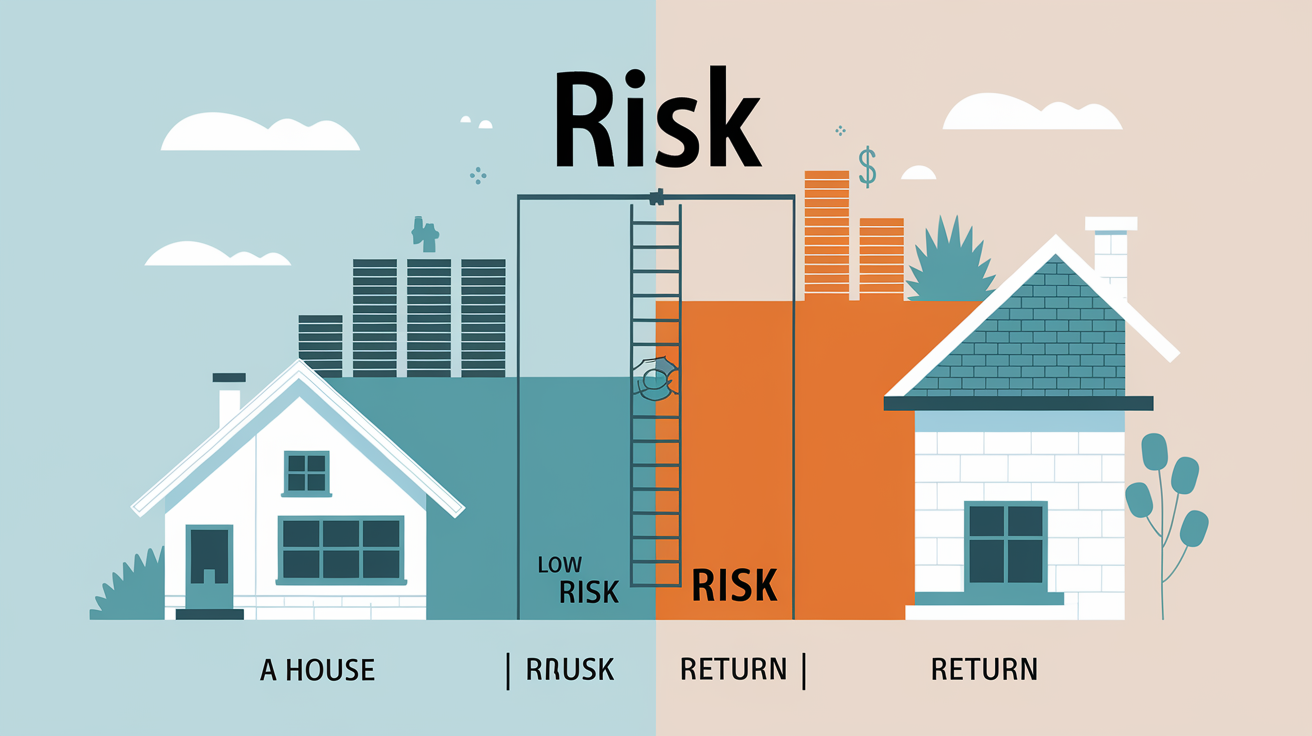
An investor is an individual or entity that allocates capital to an asset, project, or business with the expectation of generating income or capital gains. This act of investing involves risk because the returns are not guaranteed.
Investors provide the necessary funds that help companies grow, governments finance projects, and startups innovate. Without investors, many economic activities would struggle to get off the ground.
- Capital Allocation:
Investors decide where to put their money based on potential returns and risk.
- Risk Tolerance:
Each investor has a different appetite for risk, influencing their investment choices.
- Time Horizon:
The length of time an investor plans to hold an investment affects the strategy they use.
Types of Investors
Investors come in many forms, each with unique goals and methods. Knowing these types helps you identify where you fit or who you might be dealing with in the market.
Individual Investors
These are everyday people who invest their own money in stocks, bonds, mutual funds, or real estate. They often invest for retirement, education, or wealth building.
Institutional Investors
Institutions like pension funds, insurance companies, and mutual funds invest large sums on behalf of others. Their decisions can influence market trends due to the volume of assets they manage.
Angel Investors and Venture Capitalists
These investors provide capital to startups and early-stage companies. Angel investors often invest their own money, while venture capitalists manage pooled funds from multiple sources.
Retail vs. Accredited Investors
Retail investors are non-professionals with smaller portfolios. Accredited investors meet specific income or net worth criteria, allowing them access to exclusive investment opportunities.
The Role of Investors in Financial Markets
Investors are crucial to the functioning of financial markets. They supply the capital businesses need to expand and innovate. Their buying and selling activities help determine asset prices and market liquidity.
- Market Efficiency:
Investor actions help reflect true asset values through supply and demand.
- Capital Formation:
Investments fund new projects, infrastructure, and technological advancements.
- Risk Sharing:
By investing in diversified assets, investors spread and manage risk.
How to Become a Successful Investor
Becoming a successful investor involves understanding your financial goals, risk tolerance, and investment options. Here are some practical steps to get started:
- Educate Yourself:
Learn about different asset classes, market dynamics, and investment strategies.
- Set Clear Goals:
Define what you want to achieve, whether it’s saving for retirement or generating passive income.
- Diversify:
Spread your investments across various assets to reduce risk.
- Monitor and Adjust:
Regularly review your portfolio and make changes as needed.
- Stay Patient:
Investing is a long-term activity; avoid reacting to short-term market swings.
Common Investment Vehicles Used by Investors
Investors have a wide range of options to choose from depending on their goals and risk appetite. Some popular investment vehicles include:
- Stocks:
Shares of ownership in a company, offering growth potential and dividends.
- Bonds:
Debt instruments that pay interest over time, generally less risky than stocks.
- Mutual Funds:
Pooled funds managed by professionals investing in diversified portfolios.
- Exchange-Traded Funds (ETFs):
Similar to mutual funds but traded like stocks on exchanges.
- Real Estate:
Property investments providing rental income and capital appreciation.
- Cryptocurrency:
Digital assets with high volatility but growing acceptance.
Risks Investors Face
Every investment carries some degree of risk. Understanding these risks helps investors make informed decisions.
- Market Risk:
The value of investments can fluctuate due to economic or political events.
- Credit Risk:
The possibility that a bond issuer may default on payments.
- Liquidity Risk:
Difficulty in selling an asset quickly without losing value.
- Inflation Risk:
Rising prices can erode the purchasing power of returns.
- Regulatory Risk:
Changes in laws or regulations can impact investments.
Conclusion
Investors play a vital role in the economy by providing capital that fuels growth and innovation. Whether you are an individual or part of an institution, understanding what it means to be an investor helps you navigate the financial world with confidence.
By knowing the types of investors, their roles, and the risks involved, you can make smarter investment choices. Remember, successful investing requires education, patience, and a clear strategy tailored to your goals.
What is the main role of an investor?
An investor allocates capital to assets or projects expecting to earn returns, helping businesses grow and markets function efficiently.
What are the different types of investors?
Types include individual investors, institutional investors, angel investors, venture capitalists, retail investors, and accredited investors.
How do investors influence financial markets?
Investors affect asset prices, market liquidity, and capital formation through their buying and selling activities.
What risks should investors be aware of?
Key risks include market, credit, liquidity, inflation, and regulatory risks that can impact investment returns.
How can I become a successful investor?
Educate yourself, set clear goals, diversify your portfolio, monitor investments regularly, and stay patient for long-term success.