What Is Series I Bond in Bond Investment?
Learn what Series I Bonds are, how they work, and why they are a smart choice for bond investors seeking inflation protection and steady returns.
Introduction to Series I Bonds
If you're exploring bond investments, you might have come across Series I Bonds. These are unique government-backed savings bonds designed to protect your money from inflation. Understanding how Series I Bonds work can help you decide if they fit your investment goals.
In this article, we'll break down what Series I Bonds are, how they calculate interest, their benefits, and how you can invest in them safely and effectively.
What Are Series I Bonds?
Series I Bonds are savings bonds issued by the U.S. Treasury. They are a type of fixed-income investment that combines a fixed interest rate with an inflation-adjusted rate. This structure helps protect your investment’s purchasing power over time.
Issued directly by the U.S. government, making them very safe.
Designed to keep pace with inflation by adjusting interest every six months.
Can be purchased electronically or with paper bonds in limited cases.
How Do Series I Bonds Work?
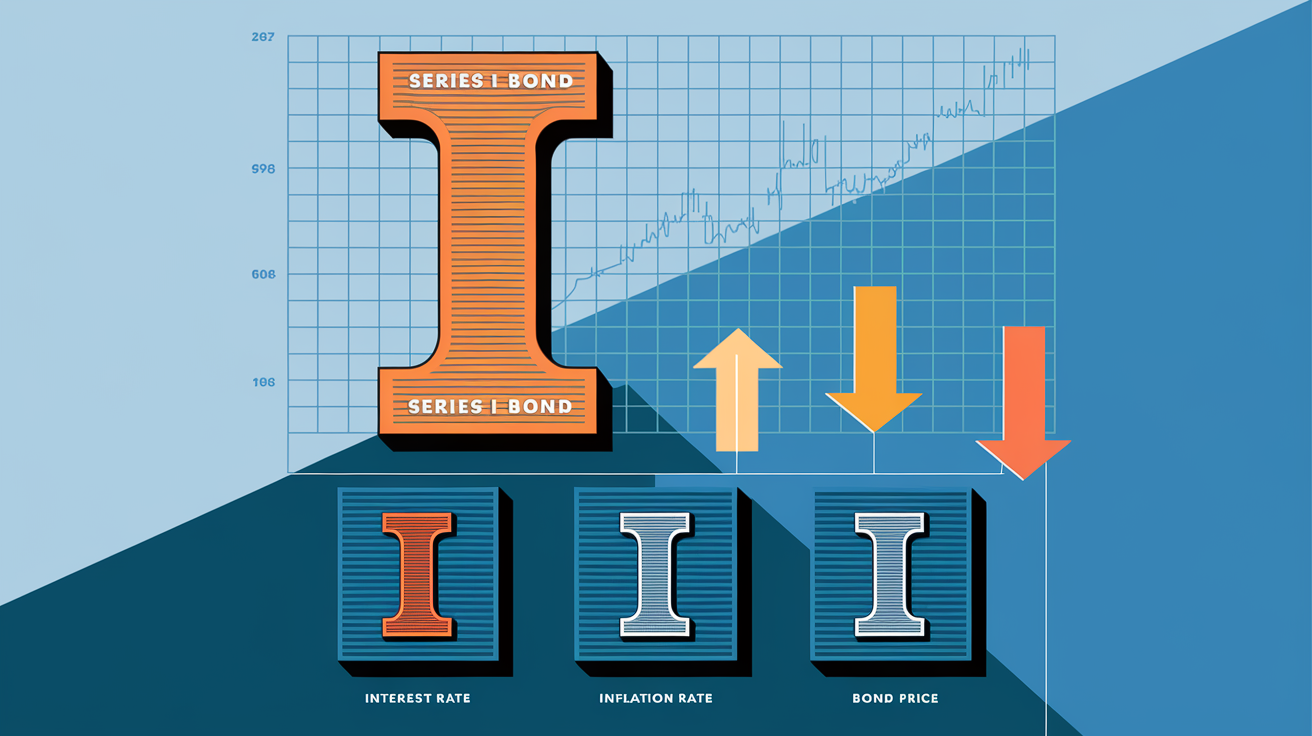
Series I Bonds earn interest through two components: a fixed rate and an inflation rate. The fixed rate stays the same for the life of the bond, while the inflation rate adjusts every six months based on changes in the Consumer Price Index (CPI).
- Fixed Rate:
Set when you buy the bond and remains constant.
- Inflation Rate:
Changes every six months to reflect inflation or deflation.
The combined rate is applied semiannually, helping your investment grow with inflation.
Benefits of Investing in Series I Bonds
Series I Bonds offer several advantages that make them attractive for conservative investors and those seeking inflation protection.
- Inflation Protection:
Your investment’s value adjusts with inflation, preserving purchasing power.
- Tax Advantages:
Interest earned is exempt from state and local taxes.
- Low Risk:
Backed by the U.S. government, making default virtually impossible.
- Flexible Holding Period:
You can redeem after 12 months, though redeeming before 5 years incurs a small penalty.
- Safe Savings Option:
Ideal for emergency funds or conservative portfolios.
How to Buy Series I Bonds
Purchasing Series I Bonds is straightforward and accessible to most investors.
- Online Purchase:
Buy electronically through the TreasuryDirect website with a linked bank account.
- Gift Bonds:
You can buy Series I Bonds as gifts for others.
- Purchase Limits:
Individuals can buy up to $10,000 in electronic bonds per calendar year, plus an additional $5,000 in paper bonds using your federal tax refund.
Considerations Before Investing
While Series I Bonds are excellent for many investors, there are some factors to keep in mind.
- Liquidity:
You must hold the bond for at least one year before redeeming.
- Early Redemption Penalty:
Redeeming before five years means losing the last three months of interest.
- Interest Rate Risk:
The fixed rate can be low, so returns may lag other investments during low inflation periods.
- Purchase Caps:
Annual purchase limits may restrict large investments.
Who Should Consider Series I Bonds?
Series I Bonds are well-suited for investors who want a safe, inflation-protected investment with tax advantages. They are ideal for:
Conservative investors seeking steady growth.
Individuals looking to protect savings from inflation.
Those wanting to diversify their bond portfolio with government-backed securities.
Investors saving for medium- to long-term goals.
Conclusion
Series I Bonds offer a unique blend of safety, inflation protection, and tax benefits. They are a smart choice if you want to preserve your money’s purchasing power without taking on significant risk.
By understanding how these bonds work and their benefits, you can decide if Series I Bonds fit your investment strategy. They provide a reliable way to grow your savings steadily while guarding against inflation’s impact.
What is the minimum holding period for Series I Bonds?
You must hold Series I Bonds for at least 12 months before redeeming. Redeeming earlier is not allowed.
How is the interest rate on Series I Bonds calculated?
The interest rate combines a fixed rate set at purchase and a semiannual inflation rate based on the Consumer Price Index.
Are Series I Bonds subject to state and local taxes?
No, interest earned on Series I Bonds is exempt from state and local income taxes, though federal taxes apply.
Can I buy Series I Bonds as a gift?
Yes, you can purchase Series I Bonds as gifts through TreasuryDirect and send them electronically to recipients.
What happens if I redeem Series I Bonds before five years?
If redeemed before five years, you lose the last three months of interest as a penalty.