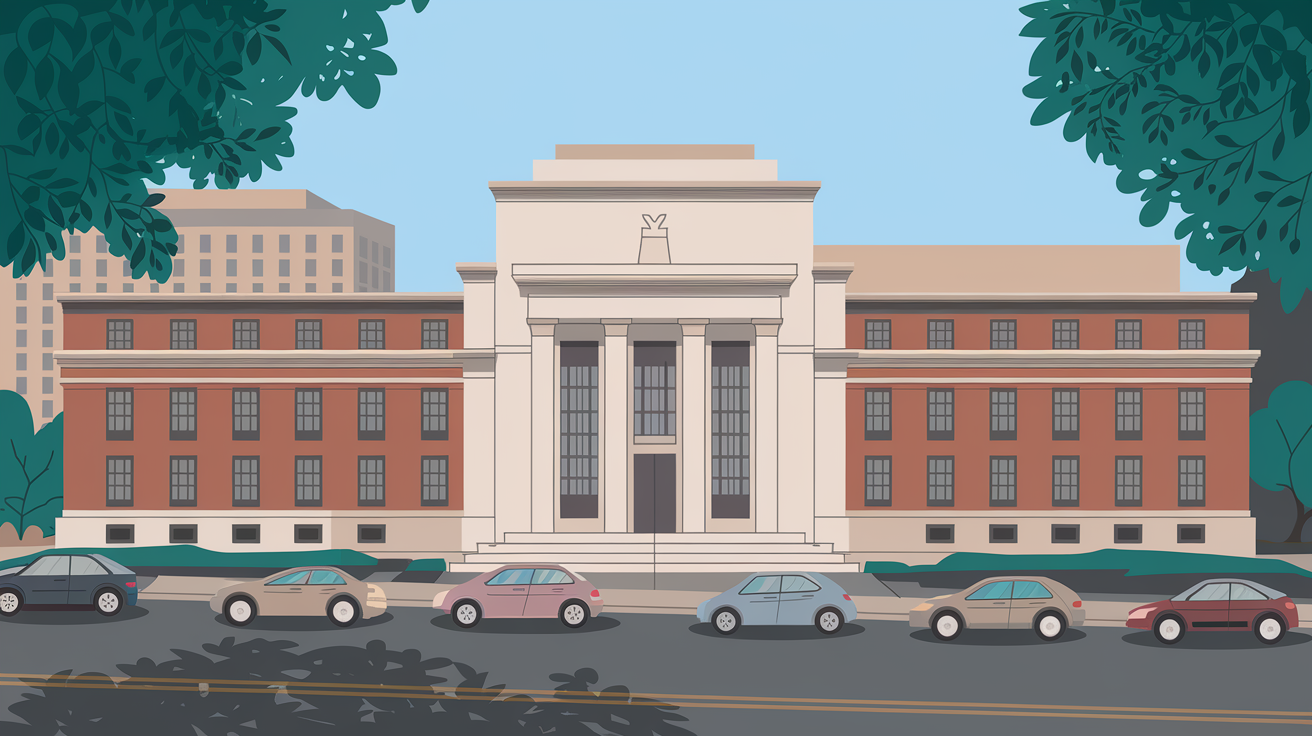
What is a Central Bank? Key Functions Explained
Understand what a central bank is, its key functions, and its role in managing a country's economy and financial stability.

Introduction
Your financial world is deeply influenced by institutions you might not see daily. One crucial player is the central bank. It controls money flow, interest rates, and the overall health of the economy. Understanding what a central bank does helps you grasp how your money and the economy work together.
We’ll explore the central bank’s role, its main functions, and why it matters to you. This knowledge can empower you to make smarter financial decisions and understand economic news better.
What Is a Central Bank?
A central bank is a government-backed institution that manages a country’s currency, money supply, and interest rates. It acts as the main authority overseeing the banking system and financial stability. Unlike commercial banks, central banks do not offer services to the public but work with the government and other banks.
Every country typically has one central bank, such as the Federal Reserve in the United States or the European Central Bank in the Eurozone. These institutions play a vital role in shaping economic policy and ensuring smooth financial operations.
Main Functions of a Central Bank
Central banks have several key responsibilities that keep the economy stable and growing. Here are the main functions:
- Monetary Policy Implementation:
They control inflation and economic growth by adjusting interest rates and regulating money supply.
- Issuer of Currency:
Central banks have the exclusive right to issue the national currency, ensuring its value and trust.
- Lender of Last Resort:
They provide emergency funding to commercial banks facing liquidity problems to prevent financial crises.
- Regulation and Supervision:
Central banks oversee and regulate commercial banks to maintain a safe and sound banking system.
- Managing Foreign Reserves:
They hold and manage foreign currency reserves to stabilize the national currency and support international trade.
- Government’s Banker:
Central banks manage the government’s accounts and help in issuing government bonds.
How Central Banks Influence the Economy
Central banks influence the economy mainly through monetary policy. By changing interest rates, they affect borrowing costs for individuals and businesses. Lower rates encourage spending and investment, while higher rates help control inflation.
They also control the money supply by buying or selling government securities. This process, called open market operations, helps maintain price stability and economic growth.
Adjusting reserve requirements for banks to control how much money banks can lend.
Intervening in foreign exchange markets to stabilize the currency value.
Examples of Central Banks Worldwide
Several central banks are well-known globally for their influence and policies:
- Federal Reserve (USA):
Controls US monetary policy and regulates banks.
- European Central Bank (ECB):
Manages the euro currency and monetary policy for Eurozone countries.
- Bank of England (UK):
Oversees monetary policy and financial stability in the United Kingdom.
- Reserve Bank of India (RBI):
Regulates India’s currency and banking system.
Why Understanding Central Banks Matters to You
Central banks impact your daily life more than you might think. Their decisions affect interest rates on loans, inflation rates, and even job opportunities. When central banks raise rates, borrowing becomes costlier, which can slow down spending. When they lower rates, it encourages growth.
Knowing how central banks operate helps you anticipate changes in the economy and make informed choices about saving, investing, or borrowing money.
Conclusion
The central bank is a powerful institution that shapes a country’s financial landscape. By managing money supply, interest rates, and banking regulations, it keeps the economy stable and growing.
Understanding its role helps you see the bigger picture behind economic news and financial changes. This knowledge empowers you to make smarter financial decisions and better prepare for economic shifts.
What is the primary role of a central bank?
The primary role of a central bank is to manage a country's money supply and interest rates to ensure economic stability and growth.
How does a central bank control inflation?
Central banks control inflation by adjusting interest rates and regulating the money supply, making borrowing more or less expensive.
Why is the central bank called the lender of last resort?
It provides emergency funds to banks facing liquidity problems to prevent financial system collapse.
Do central banks serve regular customers like commercial banks?
No, central banks do not offer services to the public; they work with the government and commercial banks.
How do central banks influence currency value?
They manage foreign reserves and intervene in currency markets to stabilize or adjust the national currency's value.