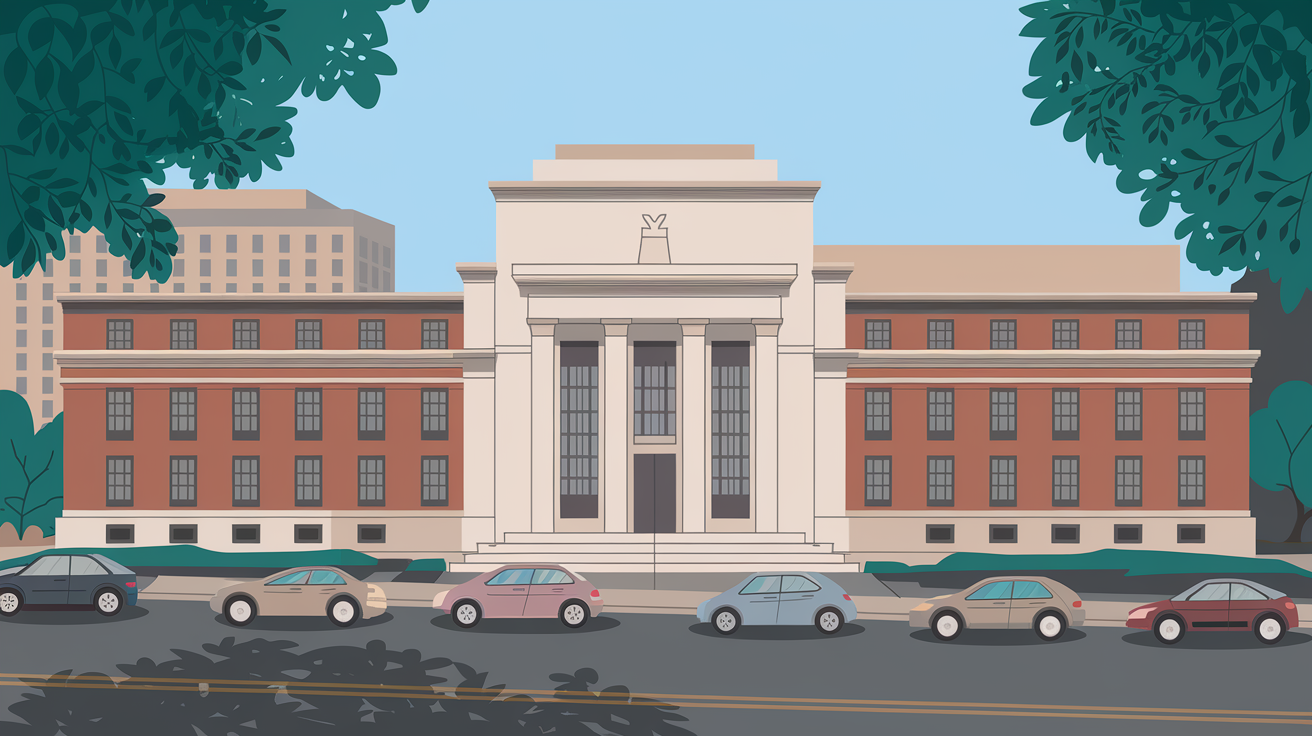
What is Federal Reserve Bank?
Learn what the Federal Reserve Bank is, its role in the US economy, and how it impacts your finances and investments.

Introduction
You might have heard about the Federal Reserve Bank in news or financial discussions. But what exactly is it, and why does it matter to you? Understanding the Federal Reserve helps you grasp how the US economy works and how financial decisions affect your money.
In this article, we’ll explore the Federal Reserve Bank’s purpose, structure, and key functions. By the end, you’ll see how it influences interest rates, inflation, and overall economic stability.
What Is the Federal Reserve Bank?
The Federal Reserve Bank, often called the Fed, is the central bank of the United States. It was created in 1913 to provide the country with a safer and more stable financial system. The Fed controls the money supply and works to keep the economy healthy.
Unlike a regular bank, the Fed doesn’t serve individual customers. Instead, it serves the government and other banks. It plays a key role in managing inflation, unemployment, and economic growth.
Structure of the Federal Reserve System
The Federal Reserve System has three main parts:
- Board of Governors:
A group of seven members appointed by the President and confirmed by the Senate. They guide the Fed’s policies.
- Federal Reserve Banks:
There are 12 regional banks located across the US. They carry out the Fed’s work locally.
- Federal Open Market Committee (FOMC):
This committee sets monetary policy, including interest rates and money supply decisions.
This structure helps the Fed balance national oversight with regional input.
Key Functions of the Federal Reserve Bank
The Fed has several important jobs that affect the economy and your finances:
- Monetary Policy:
The Fed controls interest rates and money supply to keep inflation low and support jobs.
- Supervising Banks:
It regulates and supervises banks to ensure they are safe and sound.
- Financial Services:
The Fed provides services like clearing checks and distributing currency to banks.
- Maintaining Financial Stability:
It acts to prevent or manage financial crises.
How the Federal Reserve Affects You
The Fed’s decisions have a direct impact on your daily life:
- Interest Rates:
When the Fed changes rates, it affects loans, mortgages, and credit card rates.
- Inflation Control:
By managing inflation, the Fed helps keep prices stable so your money retains value.
- Job Market:
The Fed’s policies aim to support employment growth.
- Investment Environment:
Fed actions influence stock and bond markets, affecting your investments.
How Does the Federal Reserve Make Decisions?
The Federal Open Market Committee (FOMC) meets regularly to review economic data. They consider factors like inflation, unemployment, and global events. Based on this, they decide whether to raise, lower, or keep interest rates steady.
These decisions help control economic growth and prevent problems like inflation or recession.
Common Misconceptions About the Federal Reserve
Many people misunderstand the Fed’s role. Here are some facts to clear up confusion:
The Fed is not part of the Treasury Department; it operates independently.
It does not print money directly; the Treasury prints currency, but the Fed controls money supply.
The Fed’s goal is not to make a profit but to maintain economic stability.
Conclusion
The Federal Reserve Bank is a powerful institution that shapes the US economy. By managing interest rates, supervising banks, and maintaining financial stability, it helps protect your money and supports economic growth.
Understanding the Fed’s role can help you make smarter financial decisions, from borrowing to investing. Keep an eye on Fed announcements—they often signal changes that affect your wallet.
What is the Federal Reserve Bank?
The Federal Reserve Bank is the central bank of the United States, responsible for managing the country’s money supply and monetary policy.
How does the Fed control inflation?
The Fed adjusts interest rates and money supply to keep inflation low and stable, preventing prices from rising too quickly.
Who oversees the Federal Reserve?
The Board of Governors, appointed by the President and confirmed by the Senate, oversees the Federal Reserve System.
Does the Fed print money?
No, the Treasury prints currency, but the Fed controls how much money circulates in the economy.
How do Fed decisions affect loans?
When the Fed changes interest rates, it influences borrowing costs for mortgages, car loans, and credit cards.