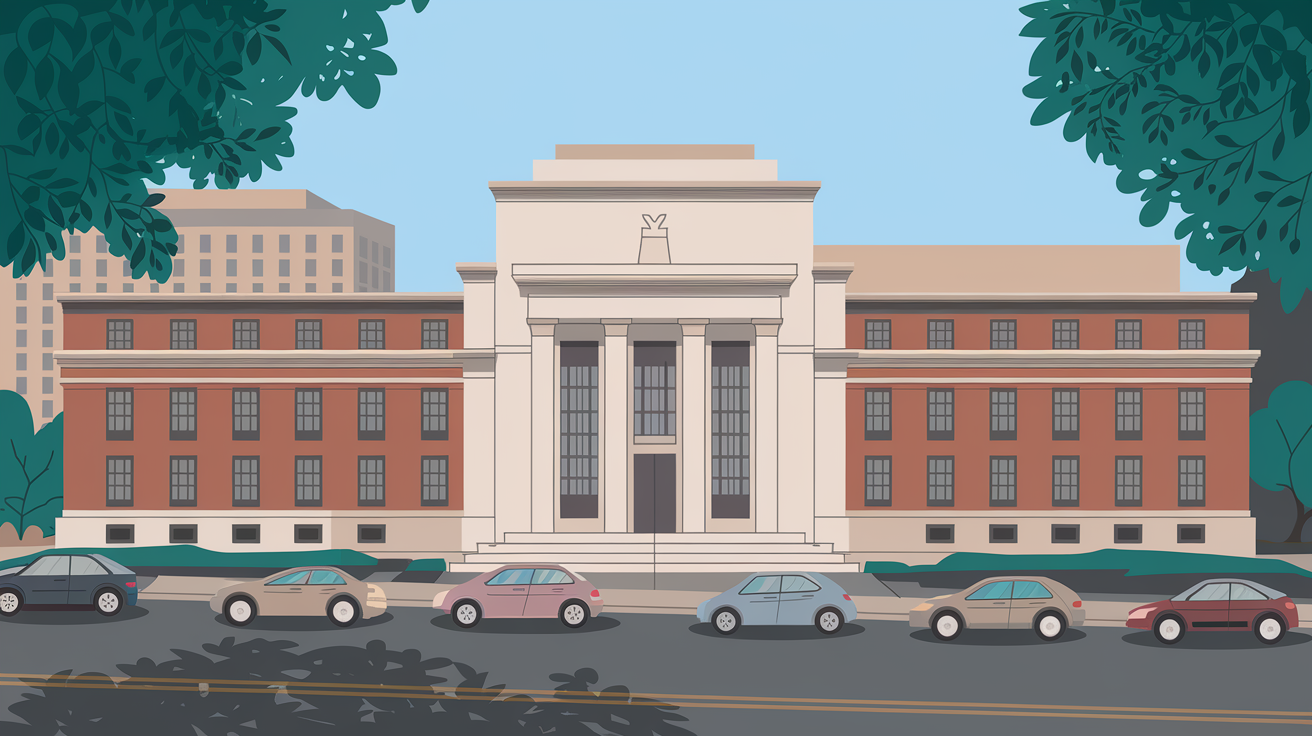
What is the Federal Reserve Bank of New York?
Explore the role and functions of the Federal Reserve Bank of New York, its impact on U.S. monetary policy, and its key responsibilities in the financial system.

Introduction
The Federal Reserve Bank of New York plays a crucial role in the United States' financial system. It is one of the 12 regional banks that make up the Federal Reserve System, the country’s central bank network.
Understanding the New York Fed helps you grasp how monetary policy is implemented and how financial stability is maintained. Let’s explore its functions, importance, and unique responsibilities.
Overview of the Federal Reserve Bank of New York
The Federal Reserve Bank of New York, often called the New York Fed, is located in Manhattan. It is the largest and most influential of the 12 regional Federal Reserve Banks.
Unlike other regional banks, the New York Fed has special duties because of its proximity to Wall Street and the U.S. Treasury. It acts as the operational arm of the Federal Reserve System.
It implements monetary policy decisions made by the Federal Open Market Committee (FOMC).
It supervises and regulates financial institutions in its district.
It manages the U.S. Treasury’s payments and securities services.
Key Functions of the New York Fed
The New York Fed’s responsibilities are broad and vital to the economy. Here are its main functions:
- Monetary Policy Implementation:
It conducts open market operations, buying and selling government securities to influence interest rates and money supply.
- Financial Supervision:
It oversees major banks and financial institutions to ensure safety and soundness.
- Foreign Exchange Operations:
It manages foreign currency reserves and intervenes in currency markets when necessary.
- Payment Services:
It facilitates the smooth operation of payment systems, including clearing checks and electronic payments.
- Emergency Lending:
It provides liquidity to banks during financial crises to maintain stability.
Role in Monetary Policy
The New York Fed plays a central role in executing the Federal Reserve’s monetary policy. The Federal Open Market Committee (FOMC) meets regularly to set policy goals, such as controlling inflation or supporting employment.
Once decisions are made, the New York Fed carries out open market operations to adjust the money supply. This directly affects interest rates and credit availability.
It buys government bonds to increase money supply and lower interest rates.
It sells bonds to reduce money supply and raise interest rates.
This process helps the Fed influence economic growth and inflation.
Supervision and Regulation
The New York Fed supervises some of the largest banks and financial institutions in its district. This oversight helps prevent risky behavior that could threaten the financial system.
It conducts regular examinations, monitors capital adequacy, and enforces compliance with banking laws.
Ensures banks maintain enough capital to cover risks.
Monitors banks’ risk management practices.
Works with other regulators to maintain financial stability.
Relationship with Wall Street and Financial Markets
Because it is located in New York City, the financial capital of the U.S., the New York Fed has close ties to Wall Street. It monitors financial markets closely to detect risks early.
It also acts as a liaison between the Federal Reserve System and major financial institutions, ensuring smooth communication and coordination.
Provides market intelligence to the Federal Reserve Board.
Coordinates emergency responses during market disruptions.
Manages the System Open Market Account (SOMA), holding securities used in monetary policy.
Management of U.S. Treasury Services
The New York Fed acts as the fiscal agent for the U.S. Treasury. It manages the issuance and redemption of government debt, ensuring the government can finance its operations.
Processes payments for government securities.
Handles auctions of Treasury bonds and notes.
Maintains accounts for the Treasury and other government agencies.
Conclusion
The Federal Reserve Bank of New York is a cornerstone of the U.S. financial system. Its unique responsibilities in monetary policy, supervision, and Treasury services make it essential for economic stability.
By understanding the New York Fed’s role, you gain insight into how the Federal Reserve influences the economy and maintains trust in the financial markets.
What is the Federal Reserve Bank of New York?
It is one of 12 regional Federal Reserve Banks, responsible for implementing monetary policy and supervising banks in its district.
Why is the New York Fed important?
It executes key monetary policy operations and manages U.S. Treasury services, impacting the entire economy.
How does the New York Fed influence interest rates?
Through open market operations, it buys or sells government securities to adjust money supply and influence rates.
What role does the New York Fed play in financial supervision?
It oversees major banks to ensure they operate safely and comply with regulations.
How does the New York Fed interact with Wall Street?
It monitors financial markets, coordinates with institutions, and manages assets used in monetary policy.