What Is Inverted Yield Curve in Macro Finance?
Understand the inverted yield curve in macro finance, its causes, implications, and how it signals economic changes and recession risks.
Introduction
You might have heard about the inverted yield curve and wondered what it means for the economy and your investments. In macro finance, this concept is a powerful indicator that can signal major shifts in economic growth and market sentiment.
In this article, we will explore what an inverted yield curve is, why it happens, and what it means for investors and policymakers. By the end, you’ll have a clear understanding of this important financial signal.
What Is a Yield Curve?
The yield curve is a graph that shows the interest rates of government bonds across different maturities. Typically, bonds with longer maturities have higher yields because investors expect to be compensated for risks over time.
Short-term bonds usually offer lower yields.
Long-term bonds generally have higher yields.
The curve normally slopes upward, reflecting this difference.
This upward slope indicates a healthy and growing economy.
Defining the Inverted Yield Curve
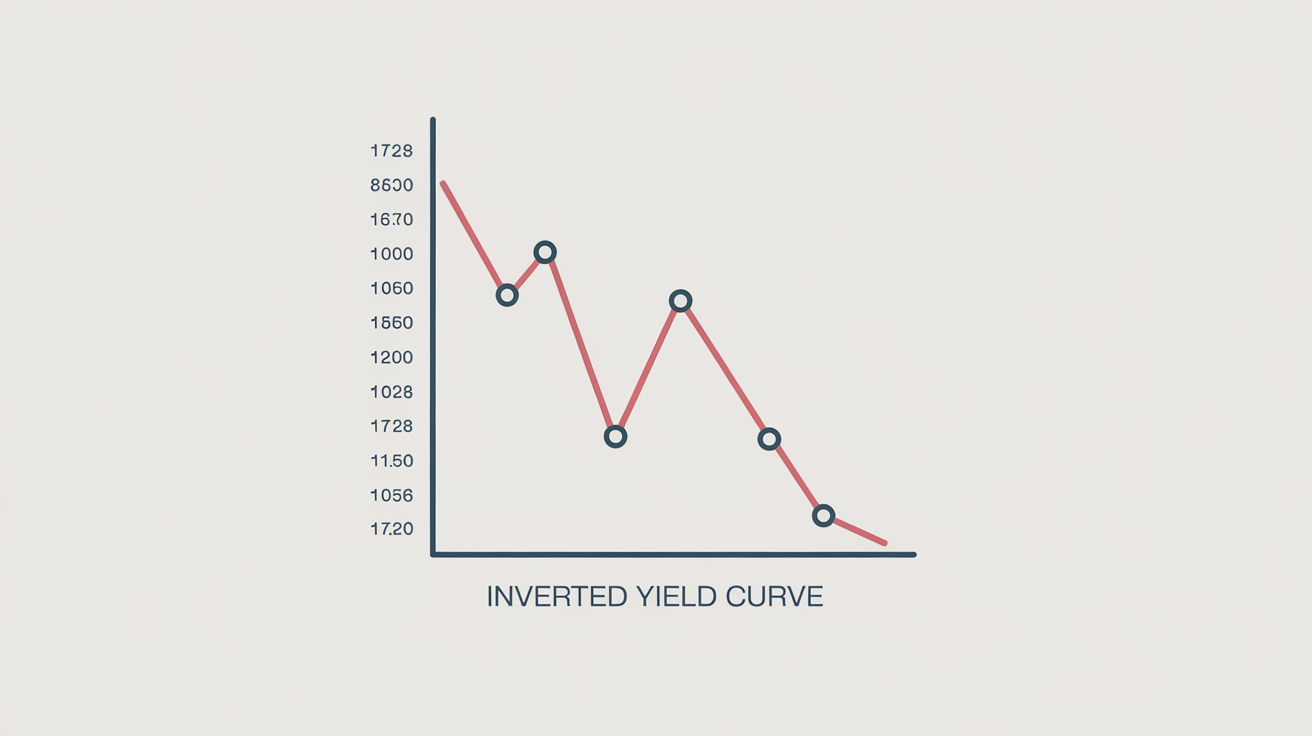
An inverted yield curve occurs when short-term interest rates rise above long-term rates. This means the curve slopes downward, which is unusual and often seen as a warning sign.
Short-term bonds yield more than long-term bonds.
Investors expect slower growth or recession ahead.
It reflects a shift in market expectations about the economy.
In simple terms, an inverted yield curve suggests that investors are more confident in the long-term outlook than the short-term, often due to fears of economic slowdown.
Why Does the Yield Curve Invert?
Several factors can cause the yield curve to invert, including monetary policy, investor behavior, and economic outlook.
- Central Bank Actions:
When central banks raise short-term interest rates to control inflation, short-term yields increase.
- Economic Slowdown Expectations:
Investors may buy long-term bonds seeking safety, pushing long-term yields down.
- Market Sentiment:
Fear of recession leads to demand for long-term bonds, lowering their yields.
These combined forces can cause the yield curve to invert, signaling a shift in economic conditions.
Implications of an Inverted Yield Curve
The inverted yield curve is closely watched because it has historically predicted recessions.
- Recession Indicator:
Most recessions in the past 50 years were preceded by an inverted yield curve.
- Investor Caution:
It often leads to reduced risk-taking and lower stock prices.
- Credit Conditions:
Banks may tighten lending, as borrowing costs rise for short-term funding.
However, it’s important to remember that while the inverted yield curve is a strong signal, it is not a guarantee of recession.
How Investors Can Respond
Understanding the inverted yield curve can help you make smarter investment decisions.
- Diversify Portfolio:
Include defensive stocks and bonds to reduce risk.
- Focus on Quality:
Invest in companies with strong balance sheets.
- Monitor Economic Data:
Keep an eye on employment, inflation, and GDP growth.
- Consider Duration:
Adjust bond holdings to manage interest rate risk.
Being proactive can help protect your investments during uncertain economic times.
Common Misconceptions
There are a few myths around the inverted yield curve that can confuse investors.
- It Predicts Timing Exactly:
The curve signals risk but doesn’t specify when a recession will start.
- It Causes Recession:
It reflects market expectations, not the cause of economic downturns.
- It Always Leads to Recession:
Sometimes the curve inverts briefly without a recession following.
Understanding these points helps you interpret the yield curve more accurately.
Conclusion
The inverted yield curve is a key concept in macro finance that signals changing economic conditions. It reflects investor expectations about future growth and inflation and is a valuable tool for forecasting recessions.
By understanding why the yield curve inverts and what it means, you can better prepare your investments and financial plans. Staying informed and cautious during these signals can help you navigate economic uncertainty with confidence.
FAQs
What does an inverted yield curve indicate?
It indicates that short-term interest rates are higher than long-term rates, often signaling expectations of slower economic growth or a potential recession.
Why do investors buy long-term bonds during an inversion?
Investors seek safety and predict lower interest rates in the future, so they buy long-term bonds, which pushes yields down.
How reliable is the inverted yield curve as a recession predictor?
It has been a strong predictor historically but is not foolproof. Other economic factors should also be considered.
Can the yield curve invert without causing a recession?
Yes, sometimes the curve inverts briefly without a recession following, due to temporary market conditions.
How should I adjust my investments if the yield curve inverts?
Consider diversifying, focusing on quality assets, and managing bond durations to reduce risk during uncertain times.