What is Seigniorage in Economics?
Understand seigniorage in economics, how governments earn from money creation, and its impact on inflation and fiscal policy.
Introduction to Seigniorage
Have you ever wondered how governments make money by printing currency? This process is called seigniorage. It is a unique way for governments to generate revenue without directly taxing citizens.
In this article, we will explore what seigniorage means in economics, how it works, and why it matters for your money and the economy.
What is Seigniorage?
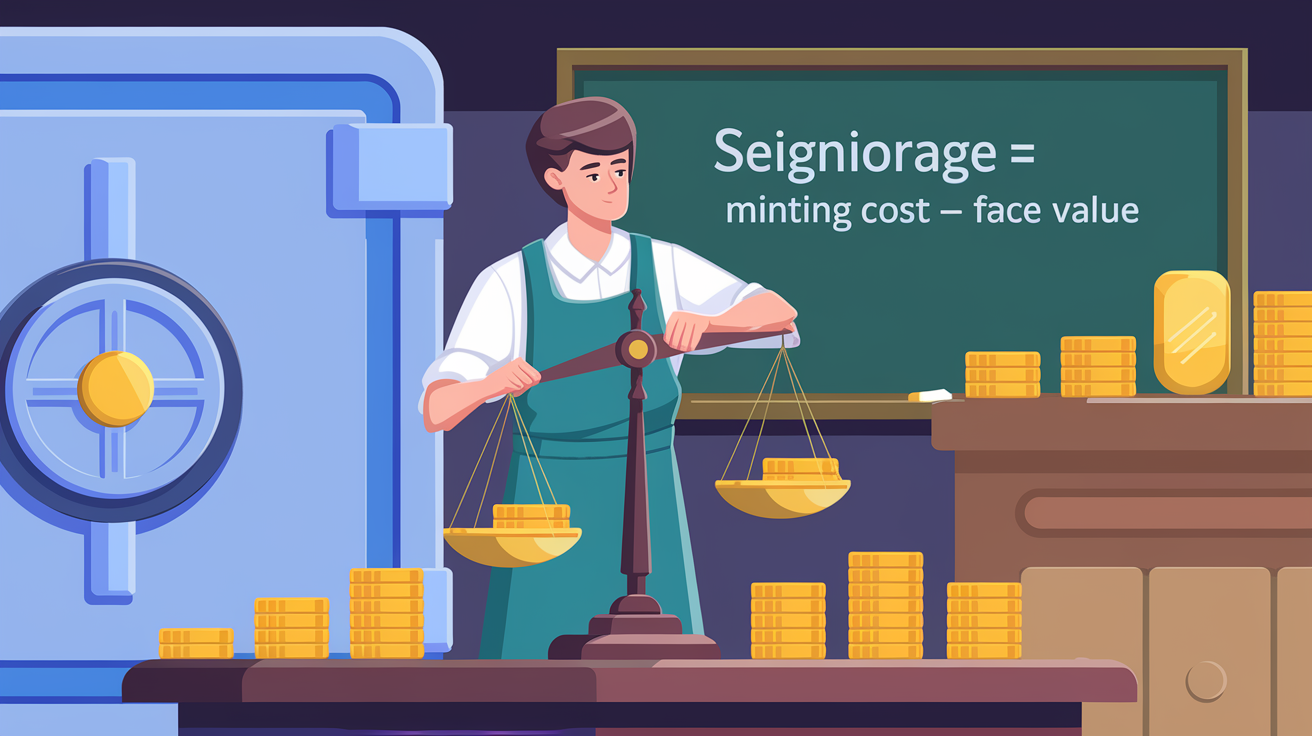
Seigniorage is the profit a government earns by issuing currency. When a government prints money, the cost of producing that money is usually much less than its face value.
The difference between the money's face value and the production cost is the seigniorage. Essentially, it is the revenue governments gain from creating new money.
How Seigniorage Works
The government prints new currency notes or coins.
The production cost is low compared to the currency’s value.
The government spends this new money on goods, services, or paying debts.
This process increases the money supply in the economy.
The Role of Seigniorage in the Economy
Seigniorage plays a significant role in government finance and monetary policy. It can help fund government spending without raising taxes or borrowing.
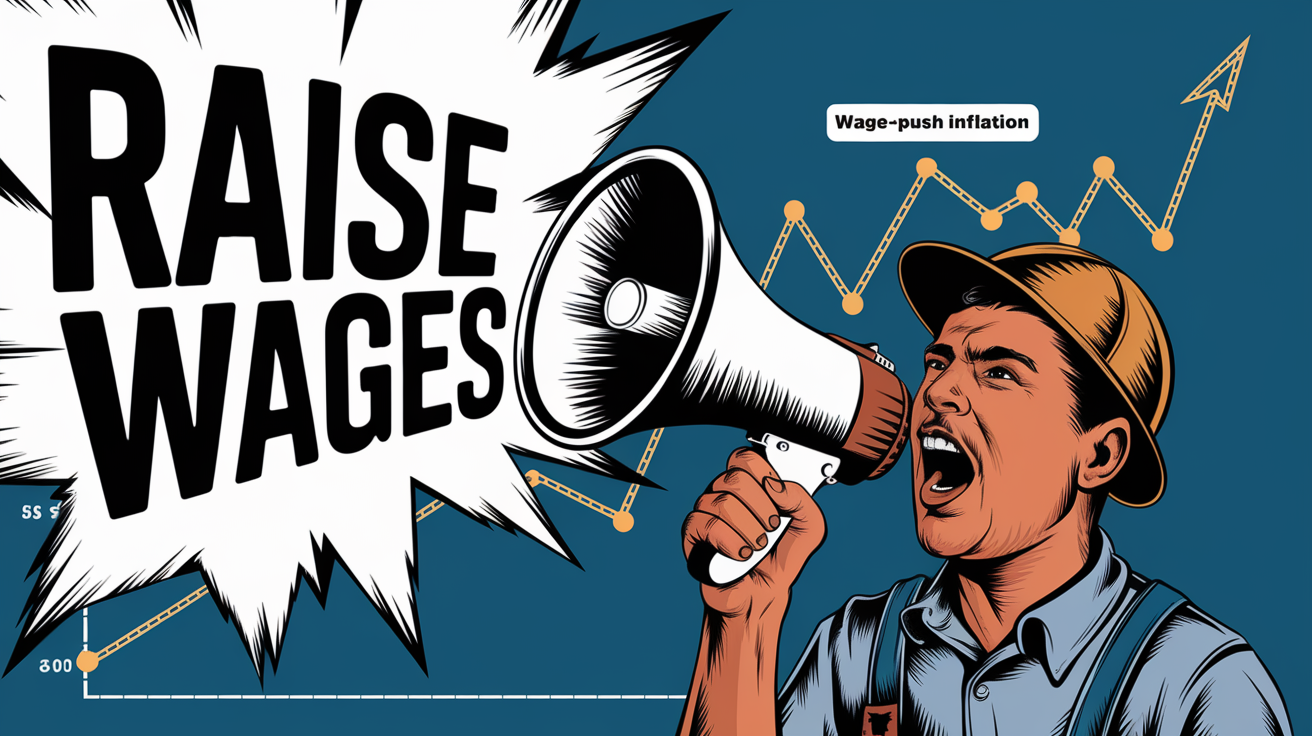
However, excessive reliance on seigniorage can lead to inflation, reducing the purchasing power of money.
Benefits of Seigniorage
Provides a source of revenue for governments.
Helps finance public projects and services.
Can reduce the need for borrowing or tax increases.
Risks and Downsides
Too much money creation can cause inflation or hyperinflation.
Inflation erodes savings and income for citizens.
Excessive seigniorage can undermine economic stability.
Seigniorage and Inflation
When governments print money beyond economic growth, it can lead to inflation. This happens because more money chases the same amount of goods and services.
Inflation reduces the value of money, affecting everyday expenses and savings.
Managing Seigniorage to Control Inflation
Central banks regulate money supply growth carefully.
Monetary policy aims to balance seigniorage benefits with inflation risks.
Sound fiscal policies reduce the need for excessive money printing.
Seigniorage in Modern Economies
Today, seigniorage remains an important but carefully managed tool. Most governments use it alongside taxes and borrowing to fund budgets.
Central banks play a key role in controlling how much new money enters the economy to avoid inflation spikes.
Examples of Seigniorage Usage
During economic crises, governments may increase money supply to stimulate growth.
Some countries with weak fiscal systems rely heavily on seigniorage, risking inflation.
Stable economies maintain low seigniorage to keep inflation in check.
Conclusion
Seigniorage is a vital concept in economics that explains how governments earn revenue by creating money. It offers benefits like funding public spending without taxes but comes with risks like inflation.
Understanding seigniorage helps you see the balance governments must strike between money creation and economic stability. This knowledge empowers you to better grasp monetary policies and their impact on your finances.
FAQs about Seigniorage
What exactly is seigniorage?
Seigniorage is the profit a government makes by issuing currency, calculated as the difference between the money's face value and its production cost.
How does seigniorage affect inflation?
Excessive seigniorage increases money supply too fast, causing inflation as more money chases the same goods and services.
Can governments rely solely on seigniorage for revenue?
Relying only on seigniorage is risky because it can lead to high inflation and economic instability, so governments use it alongside taxes and borrowing.
Who controls seigniorage in an economy?
Central banks regulate money supply and seigniorage by managing currency issuance and monetary policies to maintain economic balance.
Is seigniorage the same as printing money?
Seigniorage results from printing money but specifically refers to the profit made from issuing currency, not just the act of printing it.