What is Price Inflation in Macroeconomics?
Understand price inflation in macroeconomics, its causes, effects, and how it impacts the economy and your finances.
Introduction to Price Inflation
Price inflation is a key concept in macroeconomics that affects everyone’s daily life. It refers to the general rise in prices of goods and services over time. When inflation occurs, your money buys less than before, which can impact your savings and spending power.
Understanding inflation helps you make smarter financial decisions. We’ll explore what causes inflation, how it’s measured, and why it matters for the economy and your personal finances.
What Exactly is Price Inflation?
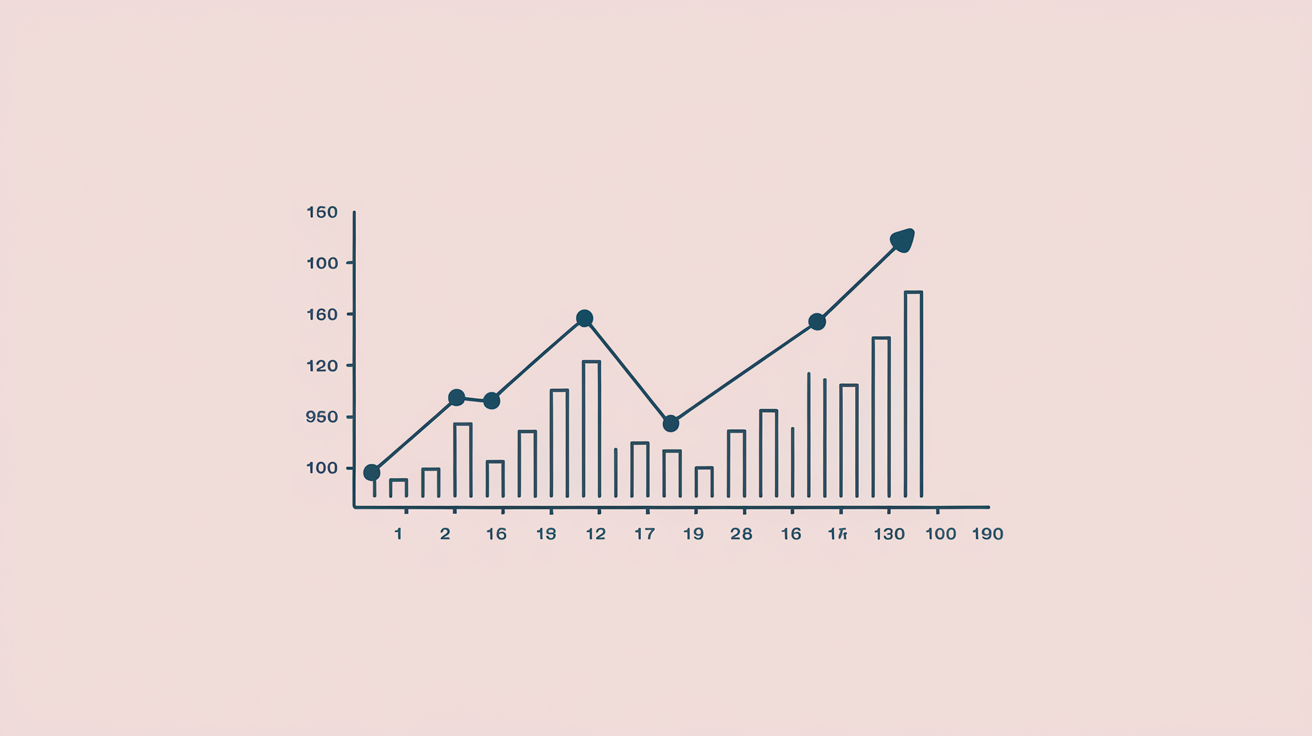
Price inflation means the average increase in prices across the economy. It is not about just one product getting more expensive but a broad rise in many prices. This leads to a decrease in the purchasing power of money.
Measured as a percentage increase over a period, usually annually.
Commonly tracked using indexes like the Consumer Price Index (CPI).
Indicates how much more expensive goods and services have become.
Causes of Price Inflation
Inflation happens due to several reasons, often linked to demand and supply in the economy. Here are the main causes:
- Demand-Pull Inflation:
When demand for goods and services exceeds supply, prices rise.
- Cost-Push Inflation:
Rising costs of production, such as wages or raw materials, push prices up.
- Monetary Inflation:
When the money supply grows faster than the economy’s output, more money chases the same goods.
- Built-In Inflation:
Expectations of future inflation can cause workers to demand higher wages, increasing costs.
How Inflation is Measured
Economists use price indexes to measure inflation. The most common are:
- Consumer Price Index (CPI):
Tracks prices of a basket of goods and services typically bought by households.
- Producer Price Index (PPI):
Measures prices from the perspective of producers, reflecting wholesale price changes.
- GDP Deflator:
Reflects price changes for all goods and services included in GDP.
These indexes help policymakers and investors understand inflation trends and make decisions.
Effects of Inflation on the Economy
Inflation impacts the economy in various ways, both positive and negative:
- Moderate Inflation:
Encourages spending and investing rather than hoarding money.
- High Inflation:
Creates uncertainty, reduces purchasing power, and can hurt savings.
- Hyperinflation:
Extremely rapid inflation that can collapse an economy.
- Interest Rates:
Central banks may raise rates to control inflation, affecting loans and mortgages.
Inflation and Your Personal Finances
Inflation affects your budget and financial goals. Here’s what you should know:
Rising prices mean your everyday expenses increase over time.
Savings lose value if interest rates don’t keep up with inflation.
Investing in assets like stocks or real estate can help protect against inflation.
Planning for inflation is essential for retirement and long-term financial security.
How Governments and Central Banks Manage Inflation
Controlling inflation is a major goal of economic policy. Governments and central banks use tools such as:
- Monetary Policy:
Adjusting interest rates and money supply to influence inflation.
- Fiscal Policy:
Government spending and taxation to manage economic demand.
- Inflation Targeting:
Central banks often aim for a low and stable inflation rate, usually around 2%.
Conclusion
Price inflation is a natural part of a growing economy but needs careful management. It affects everything from your grocery bill to your investment returns. By understanding inflation’s causes and effects, you can better protect your finances and plan for the future.
Keep an eye on inflation trends and consider how they impact your spending, saving, and investing choices. Staying informed helps you make smarter decisions in an ever-changing economic environment.
What is the difference between inflation and deflation?
Inflation is the rise in general price levels, reducing money’s purchasing power. Deflation is the opposite, where prices fall, often leading to reduced spending and economic slowdown.
How does inflation affect interest rates?
Higher inflation usually leads central banks to raise interest rates to cool the economy. This makes borrowing more expensive but helps control price rises.
Can inflation be good for the economy?
Moderate inflation encourages spending and investment, which drives economic growth. It also helps reduce the real value of debt over time.
What is hyperinflation?
Hyperinflation is extremely rapid and out-of-control inflation, often exceeding 50% per month. It severely damages an economy and erodes trust in money.
How can I protect my savings from inflation?
Invest in assets like stocks, real estate, or inflation-protected securities. Also, seek savings accounts or bonds with interest rates above inflation.