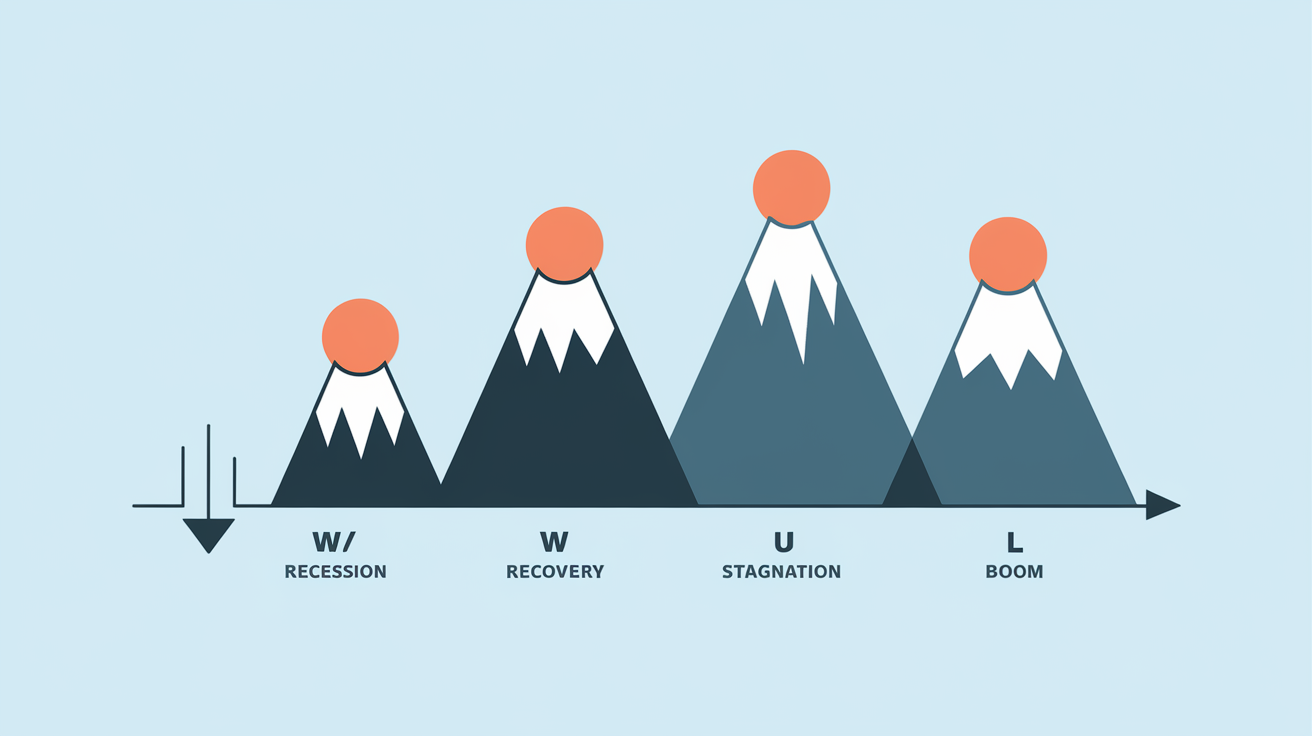
What is the American Recovery and Reinvestment Act?
Learn what the American Recovery and Reinvestment Act is, its key goals, benefits, and how it impacted the U.S. economy and job market.

Introduction
You might have heard about the American Recovery and Reinvestment Act (ARRA) but wonder what it really means. This law played a crucial role in helping the U.S. economy recover from a severe downturn. Understanding ARRA helps you see how government actions can support economic growth and job creation.
In this article, we'll explore what ARRA is, why it was created, and how it affected various sectors. You'll get clear insights into its goals, funding, and lasting impact on the economy.
What is the American Recovery and Reinvestment Act?
The American Recovery and Reinvestment Act is a federal law enacted to stimulate the U.S. economy during a major recession. Passed by Congress and signed into law in 2009, ARRA aimed to save and create jobs, promote economic recovery, and invest in infrastructure, education, health, and renewable energy.
It is often called a stimulus package because it injected money into the economy to boost spending and investment when private sector activity was low.
Key Goals of ARRA
ARRA focused on several important objectives to help the economy recover quickly and sustainably. These goals included:
- Job Creation and Preservation:
Preventing job losses and creating new employment opportunities.
- Economic Recovery:
Stimulating demand by increasing government spending and tax relief.
- Infrastructure Investment:
Funding roads, bridges, public transit, and broadband expansion.
- Support for Education and Health:
Providing funds to schools, hospitals, and Medicaid.
- Energy Efficiency and Renewable Energy:
Promoting clean energy projects to reduce dependence on fossil fuels.
How Did ARRA Work?
ARRA provided about $800 billion in funding through a mix of spending and tax cuts. The money was distributed across various programs and sectors to maximize impact.
- Direct Spending:
Investments in infrastructure, education, health care, and energy projects.
- Tax Incentives:
Tax credits and rebates for individuals and businesses to encourage spending and investment.
- Unemployment Benefits:
Extended and increased unemployment insurance to support those out of work.
- State and Local Aid:
Financial support to help states avoid budget cuts and maintain essential services.
Impact on the U.S. Economy
ARRA helped stabilize the economy during a challenging period. It contributed to job creation and slowed the rate of job losses. The investments in infrastructure and clean energy laid the foundation for long-term growth.
Created or saved millions of jobs in construction, education, health care, and clean energy sectors.
Boosted consumer spending through tax rebates and unemployment benefits.
Improved infrastructure, which enhanced productivity and connectivity.
Advanced renewable energy projects, supporting environmental goals.
Criticism and Challenges
While ARRA had many successes, it also faced criticism. Some argued the stimulus was too large and increased the federal deficit. Others felt the funds were not always spent efficiently or quickly enough to address urgent needs.
Despite these challenges, most economists agree that ARRA helped prevent a deeper recession and set the stage for recovery.
Legacy of the American Recovery and Reinvestment Act
ARRA's legacy includes important lessons on government intervention during economic crises. It showed how targeted spending and tax policies can support jobs and growth. Many infrastructure and energy projects funded by ARRA continue to benefit communities today.
The act also influenced future stimulus efforts and economic policy debates about balancing immediate relief with long-term investments.
Conclusion
The American Recovery and Reinvestment Act was a landmark law designed to pull the U.S. economy out of recession. By focusing on job creation, infrastructure, education, and clean energy, it provided a comprehensive response to economic challenges.
Understanding ARRA helps you appreciate how government policies can shape economic recovery and growth. It remains a key example of stimulus efforts that aim to protect jobs and invest in the future.
What was the main purpose of the American Recovery and Reinvestment Act?
Its main purpose was to stimulate economic growth and create or save jobs during a severe recession through government spending and tax incentives.
How much funding did ARRA provide?
ARRA provided about $800 billion in funding through a combination of direct spending and tax cuts.
Which sectors benefited most from ARRA?
Infrastructure, education, health care, renewable energy, and state and local governments received significant funding from ARRA.
Did ARRA help reduce unemployment?
Yes, ARRA helped create or save millions of jobs and extended unemployment benefits to support those out of work.
What is the lasting impact of ARRA?
ARRA improved infrastructure, advanced clean energy, and influenced future economic policies aimed at recovery and growth.