What is Trade War in International Economics?
Understand what a trade war is in international economics, its causes, effects, and how countries navigate these conflicts.
Introduction
Trade wars have become a hot topic in global economics, affecting markets and everyday consumers alike. You might wonder what exactly a trade war is and why it matters to you.
In this article, we’ll explore the concept of trade wars, their causes, and the impact they have on international relations and economies. By the end, you’ll have a clear understanding of this complex issue.
What Is a Trade War?
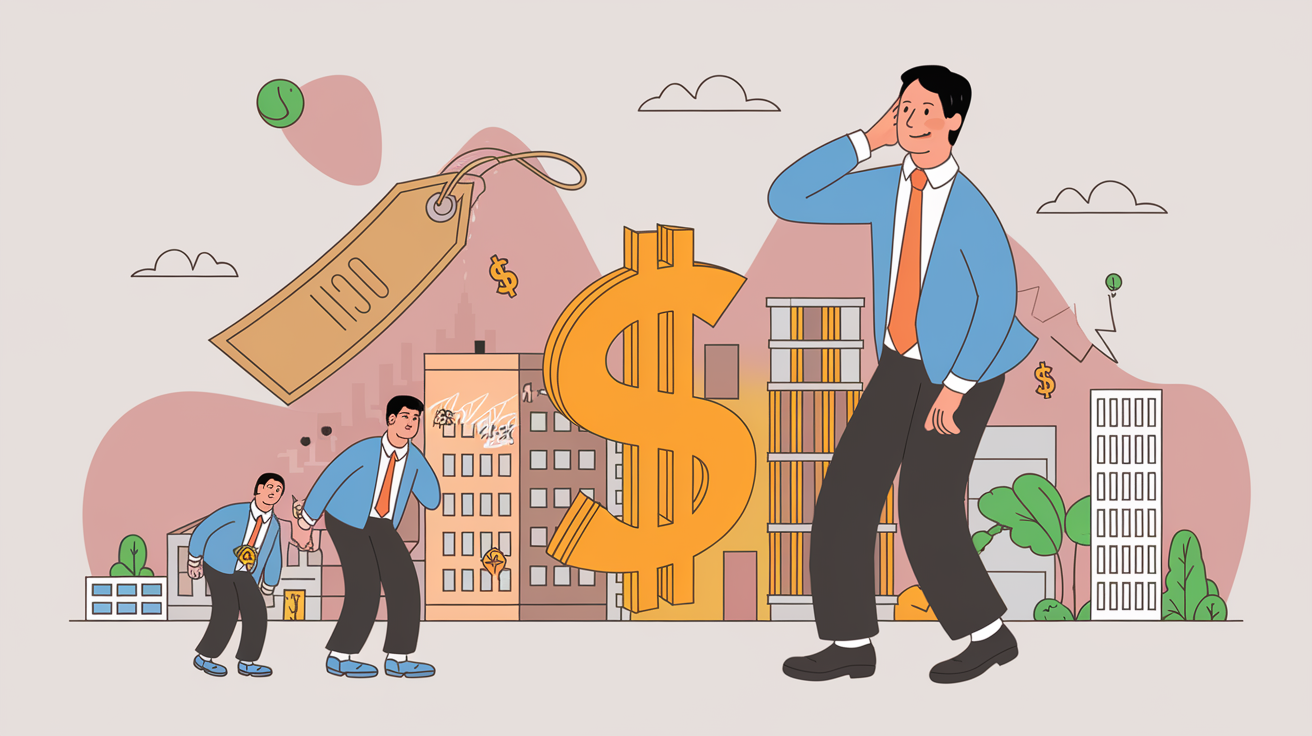
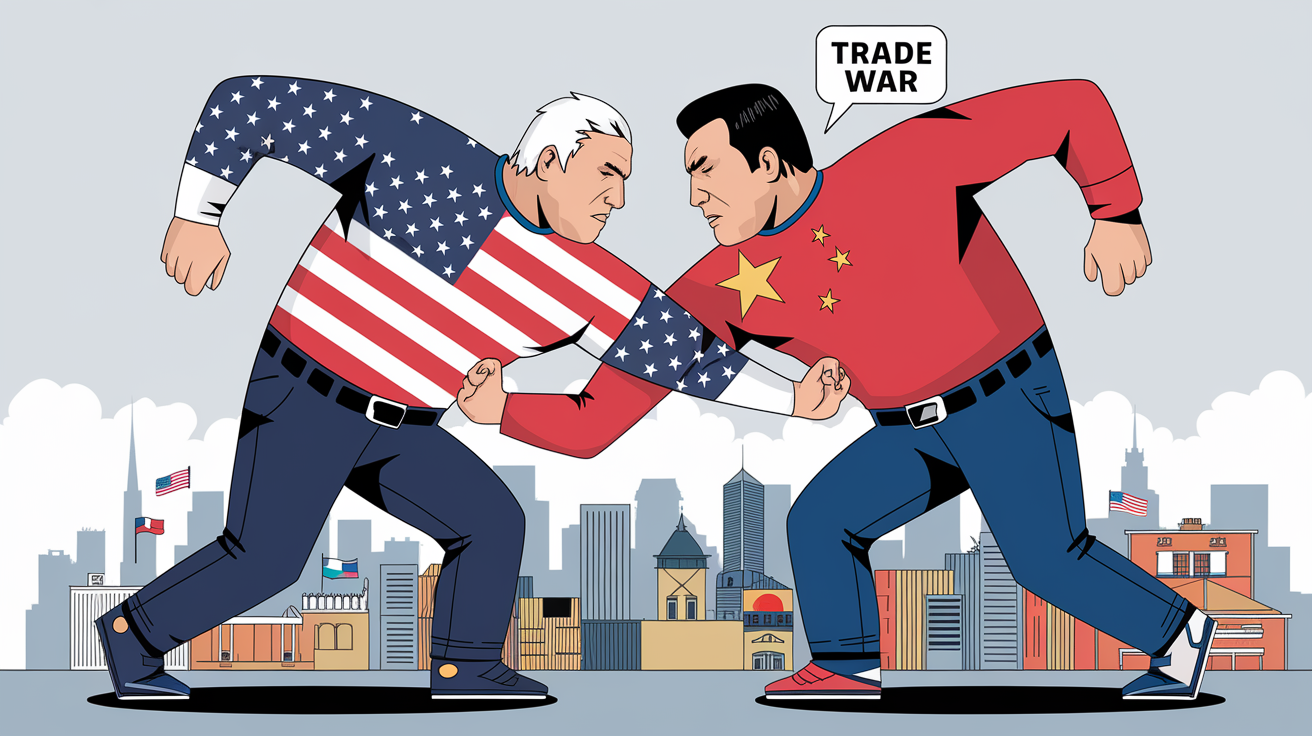
A trade war occurs when countries impose tariffs or other trade barriers against each other to protect their own industries. It’s a form of economic conflict where nations try to gain an advantage by restricting imports or increasing costs on foreign goods.
Unlike military wars, trade wars are fought with economic tools like tariffs, quotas, and subsidies. These actions can escalate quickly, leading to a cycle of retaliation between countries.
Tariffs: Taxes on imported goods to make them more expensive.
Quotas: Limits on the quantity of goods that can be imported.
Subsidies: Government financial support to local businesses to make them more competitive.
Causes of Trade Wars
Trade wars usually start because countries want to protect domestic industries or respond to unfair trade practices. Here are some common reasons:
- Protecting Jobs:
Governments may impose tariffs to save local jobs in struggling industries.
- Reducing Trade Deficits:
Countries with large trade deficits might use tariffs to encourage buying domestic products.
- Responding to Dumping:
When a country sells goods below cost to dominate markets, others may retaliate.
- National Security:
Protecting industries vital to a country’s security can lead to trade restrictions.
Effects of Trade Wars on the Global Economy
Trade wars can have widespread consequences beyond the countries involved. They often disrupt supply chains, increase prices, and slow down economic growth.
- Higher Consumer Prices:
Tariffs increase costs for imported goods, which consumers often pay.
- Reduced Trade Volumes:
Countries may import and export less, hurting businesses that rely on global markets.
- Market Uncertainty:
Investors may become cautious, affecting stock markets and investments.
- Retaliation Risks:
Trade partners may impose their own tariffs, escalating conflicts.
Examples of Recent Trade Wars
Recent years have seen notable trade wars that illustrate these dynamics:
- US-China Trade War:
Starting in 2018, the US and China imposed tariffs on billions of dollars worth of goods, affecting technology, agriculture, and manufacturing sectors.
- US-European Union Tariffs:
Disputes over aircraft subsidies led to tariffs on steel, aluminum, and other products.
How Countries Manage Trade Wars
Countries often try to resolve trade wars through negotiation and international organizations. Here’s how they approach it:
- Trade Talks:
Bilateral or multilateral discussions aim to reduce tariffs and find compromises.
- World Trade Organization (WTO):
Provides a platform to settle disputes and enforce trade rules.
- Trade Agreements:
New deals can replace tariffs with agreed-upon rules to promote fair trade.
What You Should Know as a Consumer or Investor
Trade wars can affect prices, availability of products, and market stability. Here’s what to keep in mind:
Expect price changes on imported goods like electronics, clothing, and food.
Stock markets may react to trade tensions, influencing your investments.
Businesses might shift supply chains to avoid tariffs, affecting product choices.
Conclusion
Trade wars are complex economic conflicts that impact global markets and everyday life. They arise from efforts to protect domestic industries but can lead to higher prices and slower growth.
Understanding the causes and effects of trade wars helps you navigate their impact, whether you’re a consumer, investor, or simply interested in international economics.
What triggers a trade war between countries?
Trade wars often start when countries impose tariffs or barriers to protect local industries or respond to unfair trade practices like dumping.
How do tariffs affect consumers during a trade war?
Tariffs raise the cost of imported goods, leading to higher prices for consumers on everyday products like electronics and clothing.
Can trade wars harm global economic growth?
Yes, trade wars disrupt supply chains and reduce trade volumes, which can slow down economic growth worldwide.
What role does the WTO play in trade wars?
The WTO helps countries resolve trade disputes and enforces international trade rules to prevent or end trade wars.
Are trade wars always bad for countries involved?
While they aim to protect local industries, trade wars often lead to retaliation and higher costs, which can hurt economies in the long run.