What Is Lifestyle Inflation in Personal Economics?
Discover what lifestyle inflation means, how it impacts your personal finances, and practical tips to control spending and build wealth effectively.
Introduction
Have you noticed that as your income grows, your spending seems to rise too? This common pattern is known as lifestyle inflation. It can quietly eat away at your savings and delay your financial goals.
Understanding lifestyle inflation helps you take control of your money. In this article, we'll explore what lifestyle inflation is, why it happens, and how you can avoid it to secure a healthier financial future.
What Is Lifestyle Inflation?
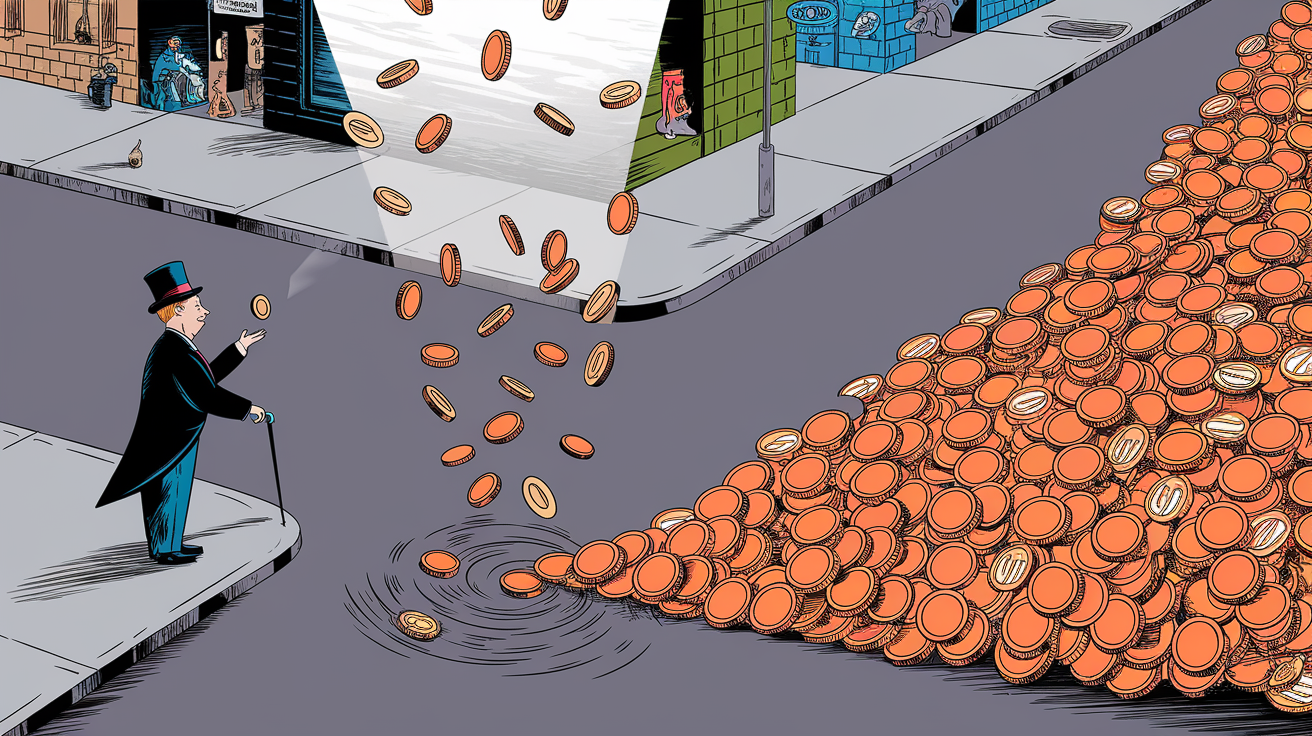
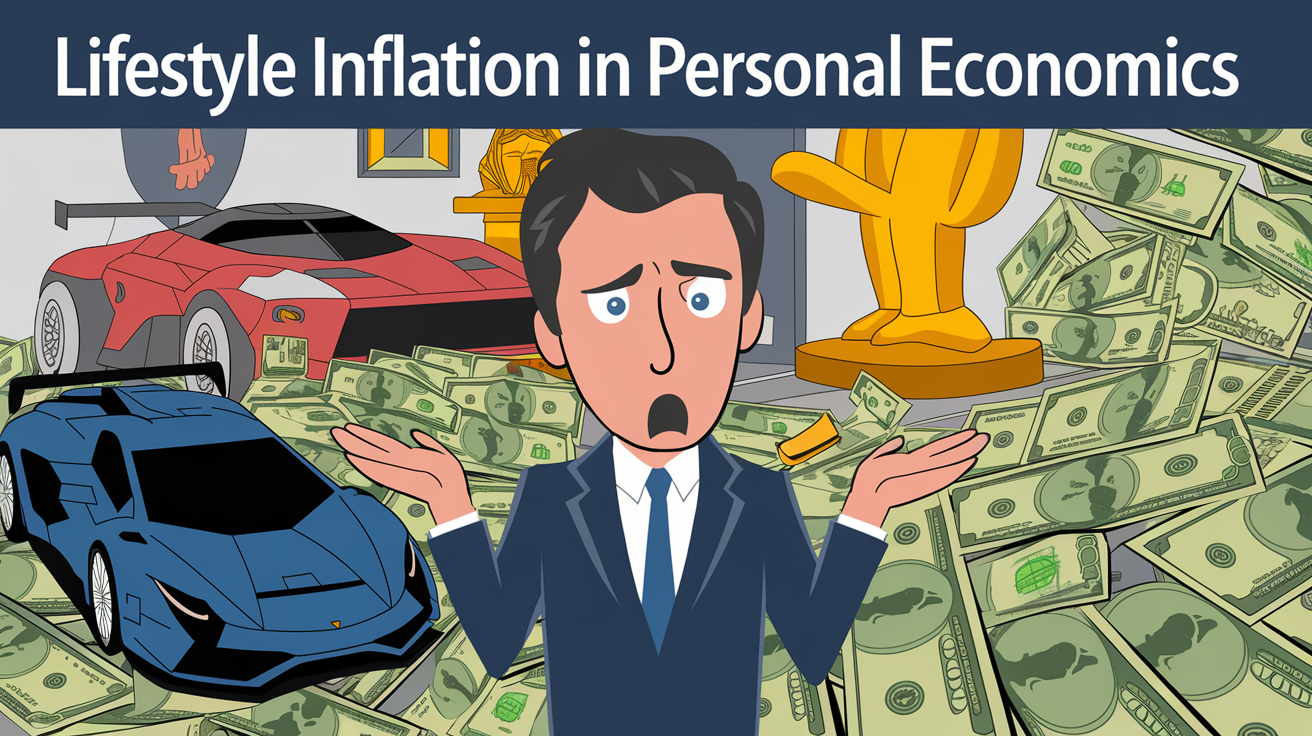
Lifestyle inflation, also called lifestyle creep, happens when your spending increases as your income goes up. Instead of saving or investing the extra money, you upgrade your lifestyle by buying more expensive items or services.
For example, if you get a raise and start dining out more often or upgrading your car, that's lifestyle inflation at work. It’s a natural tendency but can prevent you from building wealth over time.
Why Does Lifestyle Inflation Occur?
Several psychological and social factors drive lifestyle inflation. Here are the main reasons:
- Keeping up with peers:
You might spend more to match friends or colleagues’ lifestyles.
- Rewarding yourself:
Raises or bonuses often feel like a reason to treat yourself.
- Lack of budgeting:
Without a plan, extra income easily turns into extra spending.
- Changing priorities:
As income grows, your wants can shift from needs to luxuries.
How Lifestyle Inflation Affects Your Finances
Lifestyle inflation can have serious consequences if left unchecked. It reduces your ability to save and invest, which slows down wealth building.
- Lower savings rate:
More spending means less money saved for emergencies or retirement.
- Increased debt risk:
Higher expenses can lead to borrowing if income doesn’t keep pace.
- Delayed financial goals:
Buying luxury items might postpone buying a home or early retirement.
Signs You Might Be Experiencing Lifestyle Inflation
Recognizing lifestyle inflation early helps you take action. Watch for these signs:
Your expenses rise immediately after a raise or bonus.
You find it hard to save more despite earning more.
Luxury purchases replace previous savings habits.
You feel pressure to maintain a certain social image.
Strategies to Control Lifestyle Inflation
Controlling lifestyle inflation requires discipline and planning. Here are practical steps you can take:
- Create a budget:
Track income and expenses to identify unnecessary spending.
- Automate savings:
Set up automatic transfers to savings or investment accounts.
- Set financial goals:
Define clear targets like buying a home or retirement savings.
- Practice mindful spending:
Pause before big purchases and ask if they align with your goals.
- Increase savings rate with income:
Commit to saving a percentage of every raise.
Examples of Avoiding Lifestyle Inflation
Many people successfully manage lifestyle inflation by making conscious choices. For example:
Instead of upgrading to a luxury car, they keep their current vehicle and invest the difference.
They maintain modest housing even after salary increases, freeing up money for investments.
They prioritize experiences over expensive goods, which often cost less but add value.
Long-Term Benefits of Managing Lifestyle Inflation
Keeping lifestyle inflation in check can dramatically improve your financial health. Benefits include:
Faster wealth accumulation through higher savings and investments.
Greater financial security and emergency preparedness.
Ability to retire earlier or pursue passions without money stress.
Conclusion
Lifestyle inflation is a common challenge that can quietly undermine your financial progress. By understanding why it happens and recognizing its signs, you can take control of your spending habits.
Implementing simple strategies like budgeting, automating savings, and setting clear goals helps you avoid lifestyle creep. This way, you can enjoy your income increases while building lasting wealth and financial freedom.
What is the difference between lifestyle inflation and inflation?
Lifestyle inflation refers to increased personal spending as income rises, while inflation is the general rise in prices of goods and services over time. They affect finances differently.
Can lifestyle inflation affect my ability to retire early?
Yes, lifestyle inflation reduces the amount you save and invest, which can delay your retirement plans by limiting your accumulated wealth.
How can I track if I’m experiencing lifestyle inflation?
Compare your expenses before and after income increases. If spending rises proportionally or more, you might be experiencing lifestyle inflation.
Is it bad to upgrade my lifestyle after a raise?
Not necessarily. Upgrading is fine if done thoughtfully and balanced with saving and investing to maintain financial health.
What tools can help control lifestyle inflation?
Budgeting apps, automatic savings plans, and financial advisors can help you monitor spending and stick to your financial goals effectively.