What is Right-To-Work Law?
Understand Right-To-Work laws, their impact on unions, workers' rights, and how they affect employment and labor relations in the U.S.
Introduction
Right-To-Work laws shape the relationship between employees, unions, and employers. If you're curious about how these laws affect your workplace rights and union membership, this article breaks it down clearly.
We’ll explore what Right-To-Work laws mean, their benefits and drawbacks, and how they influence labor markets across the United States.
What Are Right-To-Work Laws?
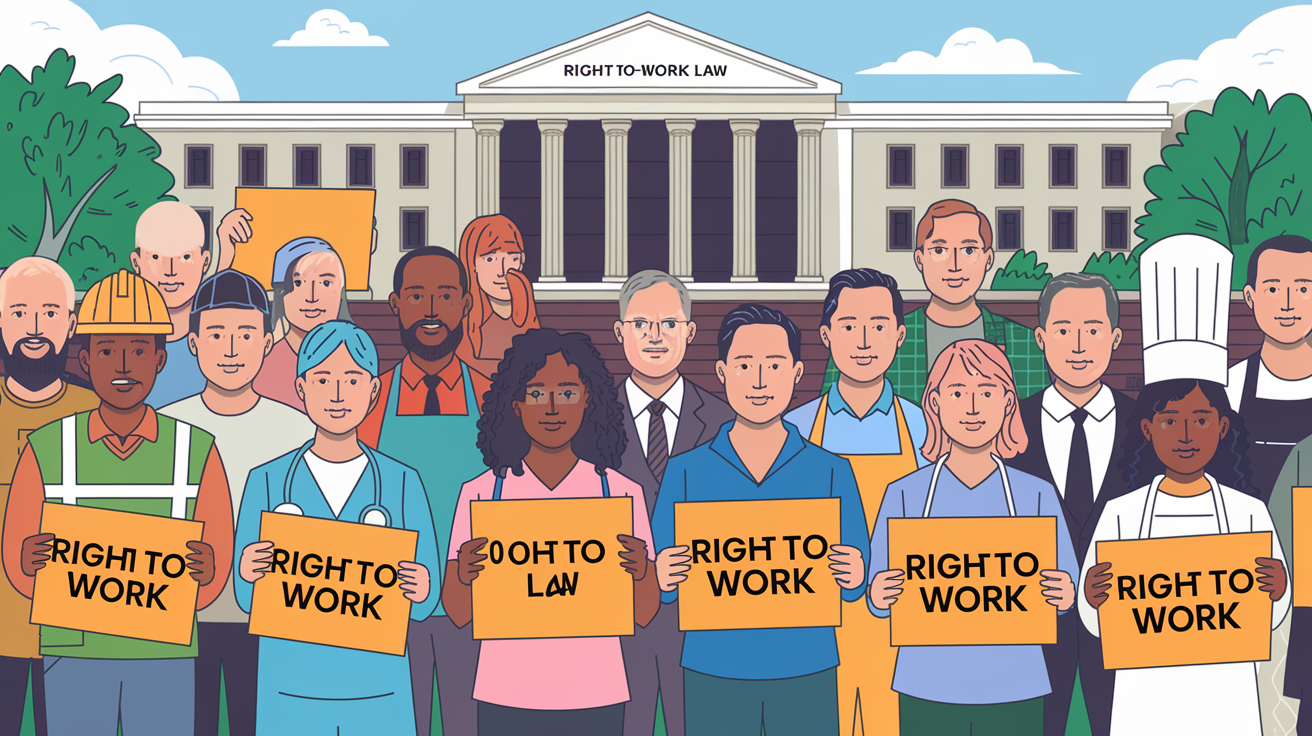
Right-To-Work laws prohibit agreements between labor unions and employers that require workers to pay union fees as a condition of employment. Simply put, these laws allow employees to choose whether or not to join or financially support a union.
They prevent mandatory union membership or fee payment.
They apply mainly to private-sector jobs.
They vary by state, with some states enforcing these laws and others not.
How Do Right-To-Work Laws Affect Workers?
These laws impact workers’ rights and union power in several ways. Supporters say they protect individual freedom, while critics argue they weaken unions.
- Freedom of Choice:
Workers can decide if they want to join a union or pay dues.
- Union Funding:
Unions may receive less funding, affecting their ability to negotiate.
- Workplace Representation:
Non-union workers still benefit from union negotiations without paying fees, known as the "free rider" problem.
Benefits of Right-To-Work Laws
Proponents highlight several advantages for workers and businesses.
- Increased Job Opportunities:
Some studies suggest these laws attract businesses seeking lower labor costs.
- Worker Freedom:
Employees aren’t forced to support unions they don’t agree with.
- Economic Growth:
States with these laws often promote a more flexible labor market.
Criticisms and Drawbacks
Opponents raise concerns about the negative effects on workers and unions.
- Weakened Unions:
Reduced funding can limit collective bargaining power.
- Lower Wages:
Research indicates wages tend to be lower in Right-To-Work states.
- Reduced Benefits:
Union-negotiated benefits like healthcare may decline.
Right-To-Work Laws Across the United States
Currently, over half of U.S. states have Right-To-Work laws. These laws are more common in the South and Midwest.
- States with Laws:
Texas, Florida, Georgia, and others enforce these laws.
- States without Laws:
California, New York, and many Northeastern states do not.
- Legal Framework:
The National Labor Relations Act allows states to pass these laws.
Impact on Employers and Unions
Employers often support Right-To-Work laws because they can reduce labor costs and increase flexibility.
Employers may find it easier to manage workforce without mandatory union fees.
Unions face challenges maintaining membership and funding.
This dynamic affects collective bargaining and workplace conditions.
Conclusion
Right-To-Work laws influence how unions operate and how workers engage with them. They offer freedom of choice but also present challenges for union strength and worker benefits.
Understanding these laws helps you navigate your rights and the labor landscape, whether you’re an employee, employer, or policymaker.
What is a Right-To-Work law?
It’s a law that prohibits requiring workers to join or pay fees to a union as a condition of employment.
Do Right-To-Work laws affect union membership?
Yes, they often reduce union membership and funding because workers can opt out of joining or paying dues.
Which states have Right-To-Work laws?
More than half of U.S. states, mainly in the South and Midwest, have enacted these laws.
How do Right-To-Work laws impact wages?
Studies show wages tend to be lower in states with these laws due to weaker union bargaining power.
Can non-union workers benefit from union negotiations?
Yes, even non-union workers may receive benefits negotiated by unions, creating the "free rider" issue.