What is International Maritime Organization?
Explore the International Maritime Organization's role in global shipping safety, environmental protection, and maritime regulations.
Introduction
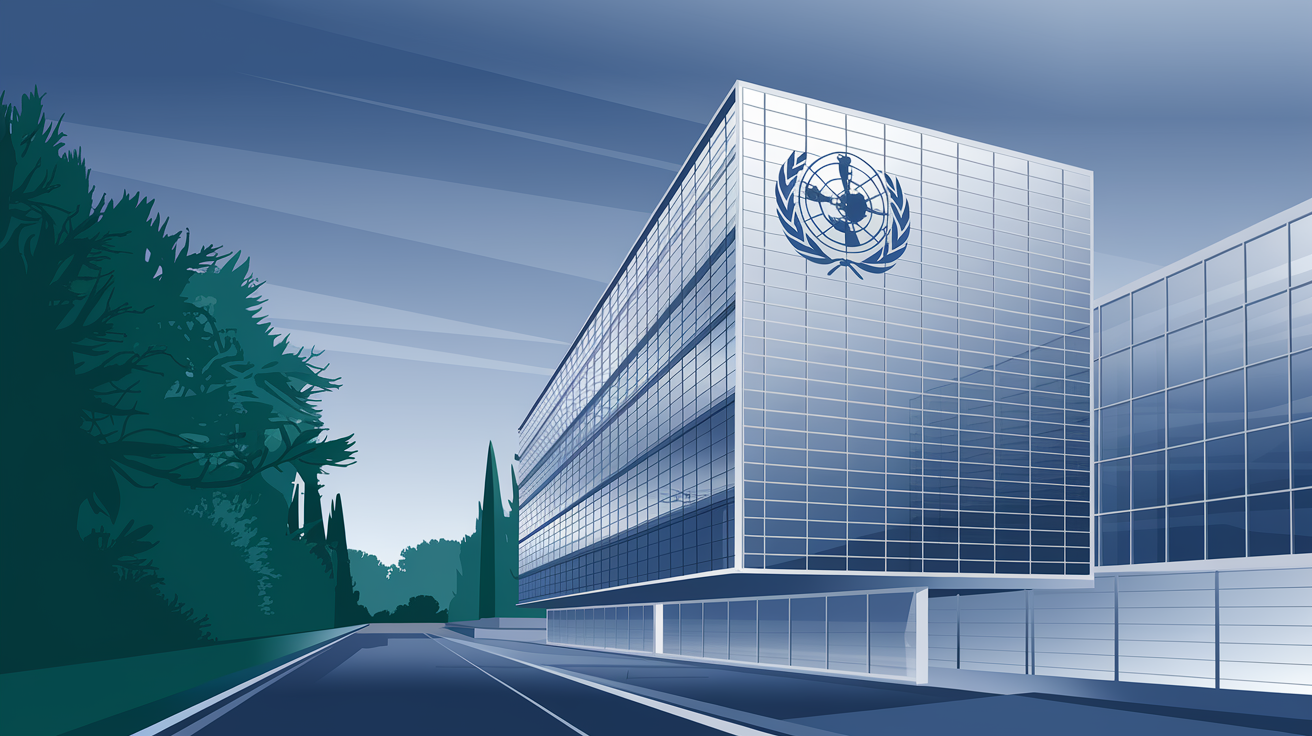
The International Maritime Organization (IMO) plays a vital role in regulating global shipping. It ensures maritime safety, security, and environmental protection across international waters.
Understanding the IMO helps you grasp how international laws govern shipping practices and protect our oceans. Let’s dive into what the IMO is and why it matters.
What is the International Maritime Organization?
The IMO is a specialized United Nations agency responsible for regulating shipping. Established in 1948, it sets global standards to make shipping safer and cleaner.
Its main goal is to create a regulatory framework for the shipping industry that is fair and effective worldwide.
Develops international maritime regulations
Promotes safe and secure shipping practices
Protects the marine environment from pollution
History and Formation of IMO
The IMO was formed after World War II due to growing concerns about maritime safety and pollution. It officially began work in 1959.
Before IMO, there was no single global body to oversee shipping rules, which led to inconsistent safety standards.
1948: IMO established by the Convention on the International Maritime Organization
1959: IMO became operational
Since then, it has expanded its focus to cover environmental and security issues
Key Functions of the IMO
The IMO’s work covers many areas that impact shipping worldwide. Its key functions include:
- Safety of Life at Sea (SOLAS):
Sets minimum safety standards for ships
- Marine Pollution Prevention (MARPOL):
Controls pollution from ships, including oil spills and garbage
- Legal Framework:
Develops conventions and treaties for maritime law
- Security Measures:
Addresses threats like piracy and terrorism
- Training and Certification:
Ensures seafarers meet international standards
Major IMO Conventions and Protocols
The IMO has created several important conventions that countries follow to regulate shipping.
- SOLAS (Safety of Life at Sea):
The most important treaty for ship safety
- MARPOL:
Prevents pollution from ships, including oil, chemicals, and garbage
- STCW (Standards of Training, Certification, and Watchkeeping):
Sets seafarer training standards
- COLREG (Collision Regulations):
Rules to prevent ship collisions
- London Convention:
Controls dumping of waste at sea
How IMO Impacts Global Shipping
The IMO’s regulations affect nearly every aspect of international shipping. Countries that are IMO members must enforce these rules in their waters.
This creates a consistent global system, making shipping safer and reducing environmental damage.
Improves ship design and equipment standards
Reduces accidents and maritime disasters
Limits pollution from ships, protecting marine life
Enhances security against piracy and terrorism
Facilitates international trade by standardizing rules
Membership and Structure of IMO
The IMO has 175 member states, representing almost all maritime nations. It operates through several key bodies:
- Assembly:
The highest governing body, meets every two years
- Council:
Executive body responsible for supervising work
- Maritime Safety Committee:
Focuses on safety and security
- Marine Environment Protection Committee:
Handles pollution control
- Secretariat:
Administrative office led by the Secretary-General
Challenges Facing the IMO
Despite its success, the IMO faces challenges in adapting to new maritime issues.
Addressing climate change by reducing shipping emissions
Improving enforcement of regulations worldwide
Dealing with emerging technologies like autonomous ships
Combating illegal, unreported, and unregulated (IUU) fishing
Conclusion
The International Maritime Organization is essential for safe, secure, and environmentally responsible shipping worldwide. Its regulations protect lives, goods, and the oceans.
By understanding the IMO’s role, you can appreciate how international cooperation shapes maritime law and supports global trade.
What is the main purpose of the IMO?
The IMO’s main purpose is to develop and maintain international regulations ensuring safe, secure, and environmentally friendly shipping worldwide.
How does the IMO protect the marine environment?
IMO protects the marine environment through conventions like MARPOL, which limit pollution from ships including oil spills and garbage dumping.
Who can be a member of the IMO?
Any country with an interest in international shipping can become an IMO member, with 175 member states currently participating.
What are some key IMO conventions?
Key conventions include SOLAS for safety, MARPOL for pollution, STCW for seafarer training, and COLREG for preventing collisions.
How does IMO influence shipping security?
IMO sets security standards to combat piracy and terrorism, ensuring ships and ports follow protocols to protect crews and cargo.