What is Demand Curve in Microeconomics?
Understand the demand curve in microeconomics, its shape, determinants, and how it influences consumer behavior and market prices.

Introduction to the Demand Curve
When you think about buying something, the price often affects how much you want to buy. In microeconomics, this relationship is shown by the demand curve. It helps us understand consumer choices and market trends.
We’ll explore what a demand curve is, why it slopes the way it does, and the factors that shift it. This knowledge can help you make smarter decisions in business or personal finance.
What is a Demand Curve?
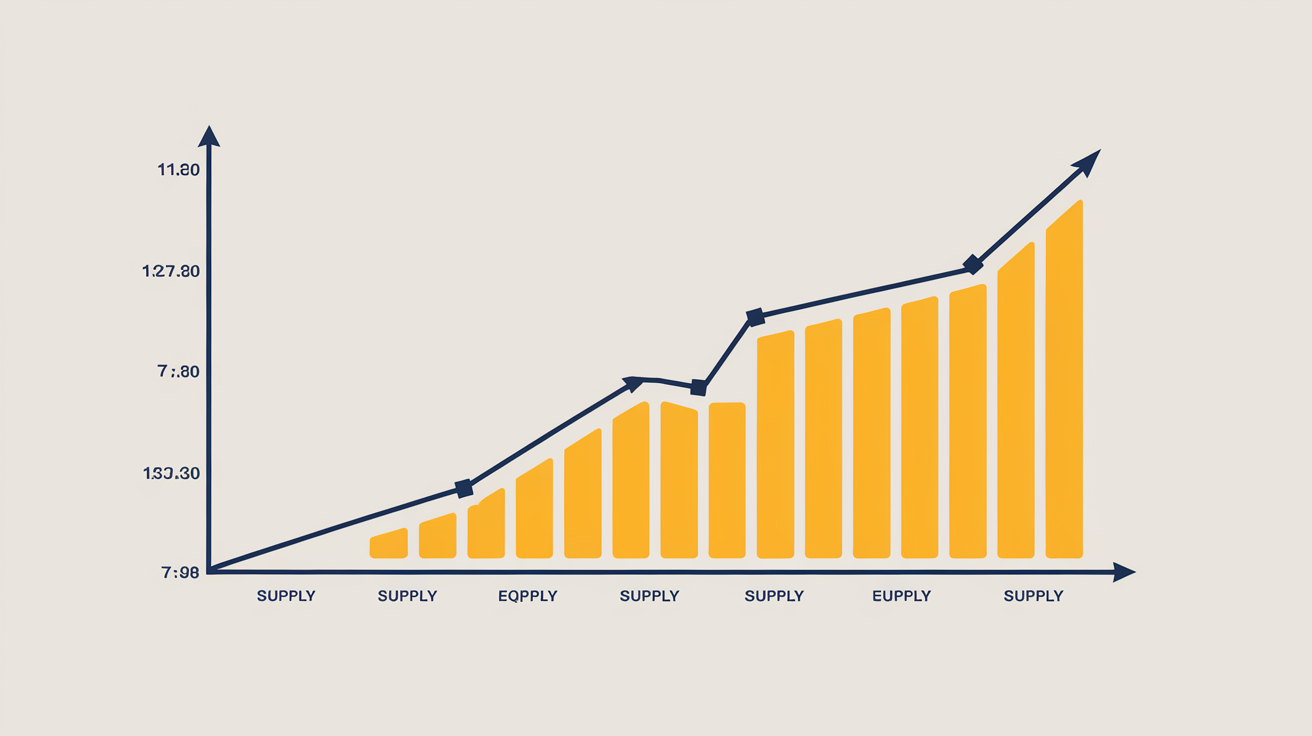
A demand curve is a graph that shows the quantity of a good or service consumers are willing to buy at different prices. It plots price on the vertical axis and quantity demanded on the horizontal axis.
Typically, the demand curve slopes downward from left to right. This means as the price decreases, the quantity demanded increases, and vice versa.
It visually represents the law of demand.
Helps predict consumer behavior.
Assists businesses in setting prices.
Why Does the Demand Curve Slope Downward?
The downward slope reflects the law of demand: when prices fall, people buy more. There are a few reasons for this:
- Substitution effect:
Cheaper prices make a good more attractive compared to alternatives.
- Income effect:
Lower prices increase consumers’ purchasing power, allowing them to buy more.
- Diminishing marginal utility:
Each additional unit bought provides less satisfaction, so people buy more only if the price drops.
Determinants That Shift the Demand Curve
The demand curve can shift right or left based on factors other than price. These shifts show changes in demand at every price point.
- Income changes:
Higher income usually increases demand for normal goods.
- Consumer preferences:
Trends or advertising can boost demand.
- Prices of related goods:
Substitute goods’ price rise can increase demand; complementary goods’ price rise can decrease demand.
- Expectations:
If buyers expect prices to rise, current demand may increase.
- Population size:
More consumers typically mean higher demand.
How Businesses Use the Demand Curve
Understanding the demand curve helps businesses:
Set optimal prices to maximize revenue.
Forecast sales based on price changes.
Plan production levels efficiently.
Analyze market competition and consumer preferences.
For example, a company might lower prices during a sale to increase quantity sold, knowing the demand curve slopes downward.
Limitations of the Demand Curve
While useful, the demand curve has some limitations:
It assumes ceteris paribus — all other factors remain constant.
Does not capture consumer irrationality or sudden market shocks.
May not apply well to goods with fixed demand, like necessities.
Conclusion
The demand curve is a fundamental concept in microeconomics that illustrates how price affects consumer buying behavior. Its downward slope reflects the law of demand, influenced by substitution, income, and utility effects.
By understanding what shifts the demand curve, you can better grasp market dynamics and make informed decisions whether you’re a consumer, investor, or business owner.
What is the main purpose of a demand curve?
The demand curve shows the relationship between price and quantity demanded, helping to predict consumer behavior and guide pricing decisions.
Why does the demand curve slope downward?
It slopes downward due to the substitution effect, income effect, and diminishing marginal utility, meaning lower prices lead to higher demand.
What factors can shift the demand curve?
Income changes, consumer preferences, prices of related goods, expectations, and population size can shift the demand curve right or left.
How do businesses use the demand curve?
Businesses use it to set prices, forecast sales, plan production, and analyze market trends to maximize profits.
Are there any limitations to the demand curve?
Yes, it assumes other factors stay constant, doesn’t account for irrational behavior, and may not suit goods with fixed demand.