What is Development Economics?
Explore what development economics is, its key concepts, and how it shapes policies to improve global living standards and economic growth.

Introduction
Understanding development economics is essential if you want to grasp how countries grow and improve the lives of their people. It focuses on the economic aspects of the development process in low-income countries and emerging markets.
In this article, we will explore what development economics means, why it matters, and how it influences policies that aim to reduce poverty and boost economic progress worldwide.
What is Development Economics?
Development economics is a branch of economics that studies how economies evolve over time, especially in poorer countries. It looks at factors that affect economic growth, income distribution, and quality of life.
This field goes beyond traditional economics by considering social, political, and institutional influences on development. It aims to find practical solutions to challenges like poverty, inequality, and unemployment.
Key Concepts in Development Economics
- Economic Growth:
The increase in a country's output of goods and services over time.
- Poverty Reduction:
Strategies to improve income and living conditions for the poorest populations.
- Human Capital:
Investment in education, health, and skills that boost productivity.
- Structural Change:
Shifting from agriculture-based economies to industry and services.
- Income Inequality:
Understanding and addressing disparities in wealth and income.
- Institutions and Governance:
The role of laws, policies, and government effectiveness in development.
Why Development Economics Matters
Development economics helps policymakers design programs that promote sustainable growth and social welfare. It provides tools to analyze why some countries succeed while others struggle.
By studying this field, you can understand the causes of poverty and how to create inclusive economies that benefit everyone. It also highlights the importance of global cooperation and aid.
Applications of Development Economics
Development economics influences many areas, including:
- Policy Making:
Crafting economic policies that encourage investment, trade, and innovation.
- International Aid:
Guiding how aid is distributed to maximize impact.
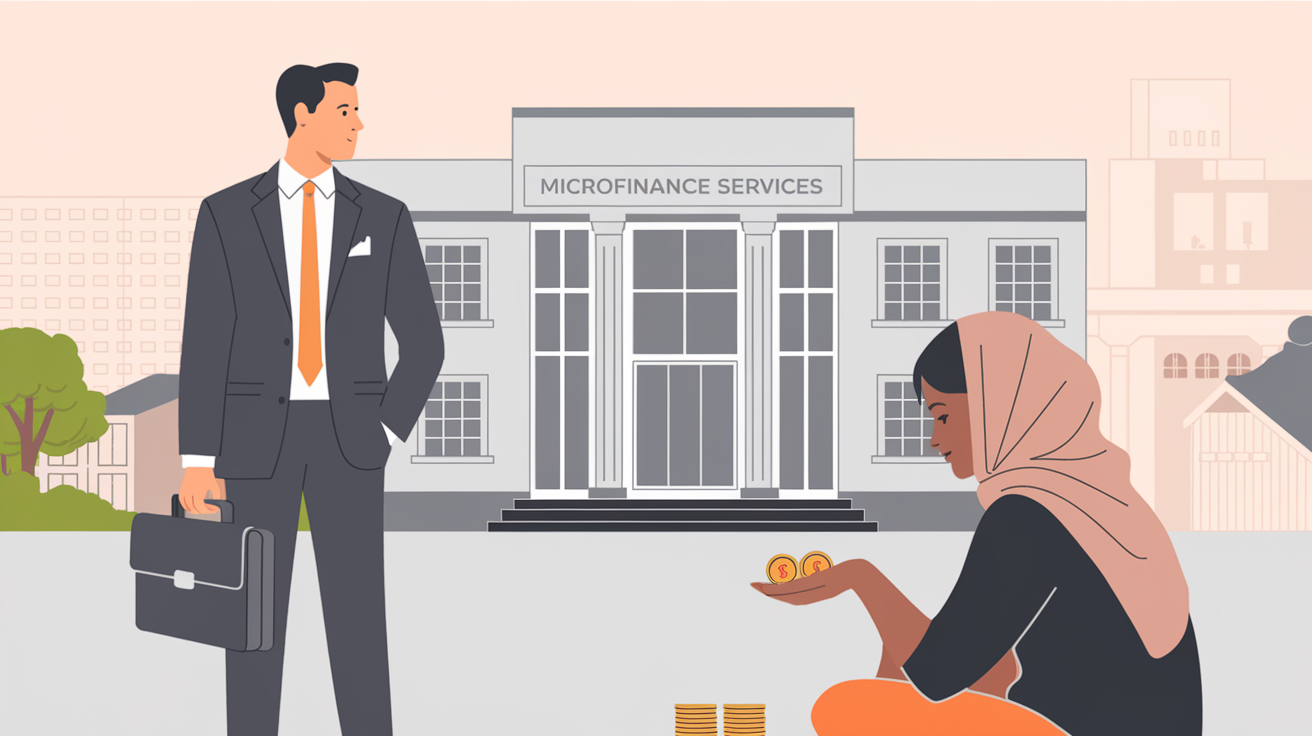
- Microfinance:
Providing small loans to entrepreneurs in developing countries.
- Education and Health Programs:
Improving human capital to support growth.
- Environmental Sustainability:
Balancing development with ecological protection.
Challenges in Development Economics
Despite progress, many challenges remain. These include:
- Data Limitations:
Lack of reliable data can hinder analysis.
- Political Instability:
Conflicts and weak governance affect development efforts.
- Global Inequality:
Unequal trade terms and financial flows.
- Climate Change:
Environmental risks disproportionately impact poorer countries.
Conclusion
Development economics is a vital field that helps us understand how to improve economies and living standards in poorer countries. It combines economic theory with real-world challenges to create effective solutions.
By learning about development economics, you gain insight into the complex factors that drive growth and how policies can make a difference in reducing poverty and promoting equality worldwide.
FAQs
What is the main goal of development economics?
The main goal is to improve economic growth and reduce poverty in developing countries by studying factors that influence development.
How does development economics differ from traditional economics?
It focuses more on social, political, and institutional factors affecting poorer countries, not just market behavior and resource allocation.
Why is human capital important in development economics?
Because investing in education and health increases productivity and supports long-term economic growth.
What role do institutions play in development?
Strong institutions and good governance create a stable environment for investment and fair economic policies.
Can development economics help address climate change?
Yes, it promotes sustainable development strategies that balance economic growth with environmental protection.