What is Magnetic Ink Character Recognition Line (MICR)?
Learn what Magnetic Ink Character Recognition (MICR) line is, how it works, and why it's essential for secure banking and check processing.
Introduction to Magnetic Ink Character Recognition (MICR) Line
Understanding the Magnetic Ink Character Recognition (MICR) line is crucial if you want to grasp how banks process checks securely and efficiently. The MICR line is a special set of characters printed at the bottom of checks using magnetic ink. This technology helps banks read and verify checks quickly, reducing errors and fraud.
In this article, we'll explore what the MICR line is, how it works, and why it remains a vital part of banking systems worldwide. You'll learn how this technology benefits both banks and customers in everyday financial transactions.
What is the MICR Line?
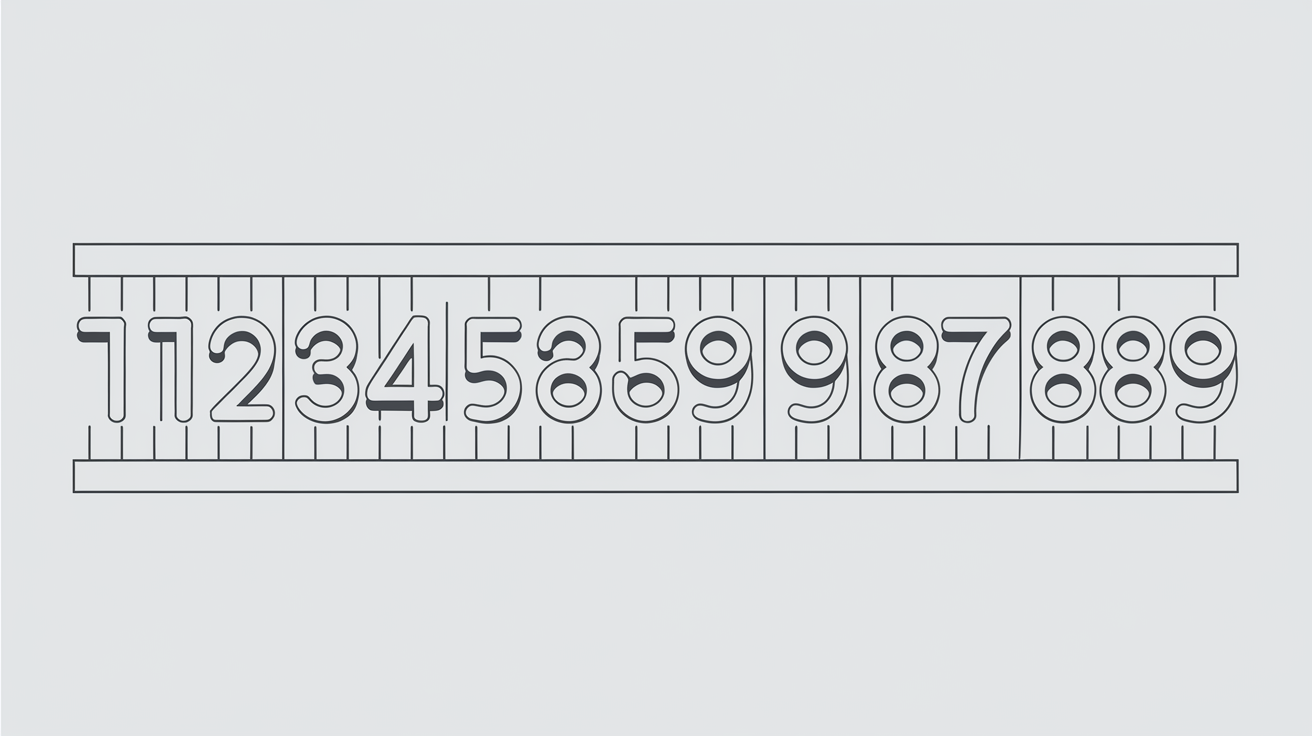
The MICR line is a sequence of numbers and symbols printed in magnetic ink at the bottom of checks and other financial documents. It typically includes information like the bank's routing number, the customer's account number, and the check number.
- Magnetic Ink:
Special ink containing iron oxide that can be magnetized and read by machines.
- Characters:
Printed using a unique font called E-13B or CMC-7, designed for easy machine reading.
- Placement:
Located at the bottom of checks for standardized reading by bank equipment.
This line allows automated check processing systems to read the data accurately, even if the check is marked or stamped.
How Does MICR Technology Work?
MICR technology uses magnetic ink and specialized readers to capture the information printed on checks. Here's how it works:
- Magnetization:
The magnetic ink characters are magnetized by passing the check through a magnetic field.
- Reading:
A MICR reader detects the magnetic signals from the ink and converts them into digital data.
- Verification:
The data is checked against bank records to verify the authenticity and details of the check.
This process is fast and highly accurate, minimizing human errors and speeding up check clearing.
Components of the MICR Line
The MICR line contains several key components that identify the check and the account it belongs to:
- Routing Transit Number (RTN):
Identifies the bank where the account is held.
- Account Number:
Specifies the customer's bank account.
- Check Number:
Helps track individual checks.
- On-Us Field:
Sometimes used to include additional bank-specific information.
These components ensure that the check is routed correctly through the banking system.
Why is the MICR Line Important?
The MICR line plays a vital role in the banking industry for several reasons:
- Speed:
Enables quick automated processing of checks.
- Accuracy:
Reduces errors compared to manual data entry.
- Security:
Magnetic ink makes it difficult to alter or forge checks.
- Standardization:
Ensures uniformity across banks and financial institutions worldwide.
Without the MICR line, check processing would be slower, more error-prone, and less secure.
Applications Beyond Checks
While MICR lines are most commonly found on checks, the technology is also used in other financial documents and industries:
- Deposit Slips:
To automate processing of deposits.
- Bank Drafts:
For secure transaction processing.
- Government Documents:
Some use MICR for secure identification and processing.
This versatility shows how MICR technology supports secure and efficient financial operations.
Future of MICR Technology
Despite advances in digital payments, MICR technology remains relevant. Banks continue to rely on it for check processing because of its reliability and security.
Integration with digital systems improves processing speed.
Ongoing improvements in magnetic ink and fonts enhance security.
Hybrid systems combine MICR with image-based check clearing.
As financial technology evolves, MICR will likely adapt but remain a key part of banking infrastructure.
Conclusion
The Magnetic Ink Character Recognition (MICR) line is a foundational technology in banking. It allows fast, accurate, and secure processing of checks by using magnetic ink and specialized fonts.
Understanding MICR helps you appreciate how banks protect your money and speed up transactions. Even in a digital age, MICR remains a trusted tool for financial institutions worldwide.
FAQs about MICR Line
What does MICR stand for?
MICR stands for Magnetic Ink Character Recognition. It refers to the technology that uses magnetic ink to print characters readable by machines.
Where is the MICR line located on a check?
The MICR line is printed at the bottom of a check and contains important banking information like routing and account numbers.
Why is magnetic ink used in MICR?
Magnetic ink contains iron oxide, which can be magnetized and read by machines, making the data secure and easy to process.
Can MICR lines be forged?
Forging MICR lines is difficult due to the special magnetic ink and fonts, which provide a layer of security against fraud.
Is MICR technology still relevant with digital payments?
Yes, MICR remains important for check processing and is integrated with modern banking systems to ensure secure transactions.