What is Isoquant Curve in Microeconomics?
Understand the Isoquant Curve in microeconomics, its role in production theory, and how it helps analyze input combinations for efficient output.
Introduction to Isoquant Curve
When you study microeconomics, understanding how firms produce goods efficiently is key. The isoquant curve is a powerful tool that shows all the combinations of inputs that produce the same level of output.
In this article, we’ll explore what an isoquant curve is, why it matters, and how it helps businesses make smart production decisions.
What is an Isoquant Curve?
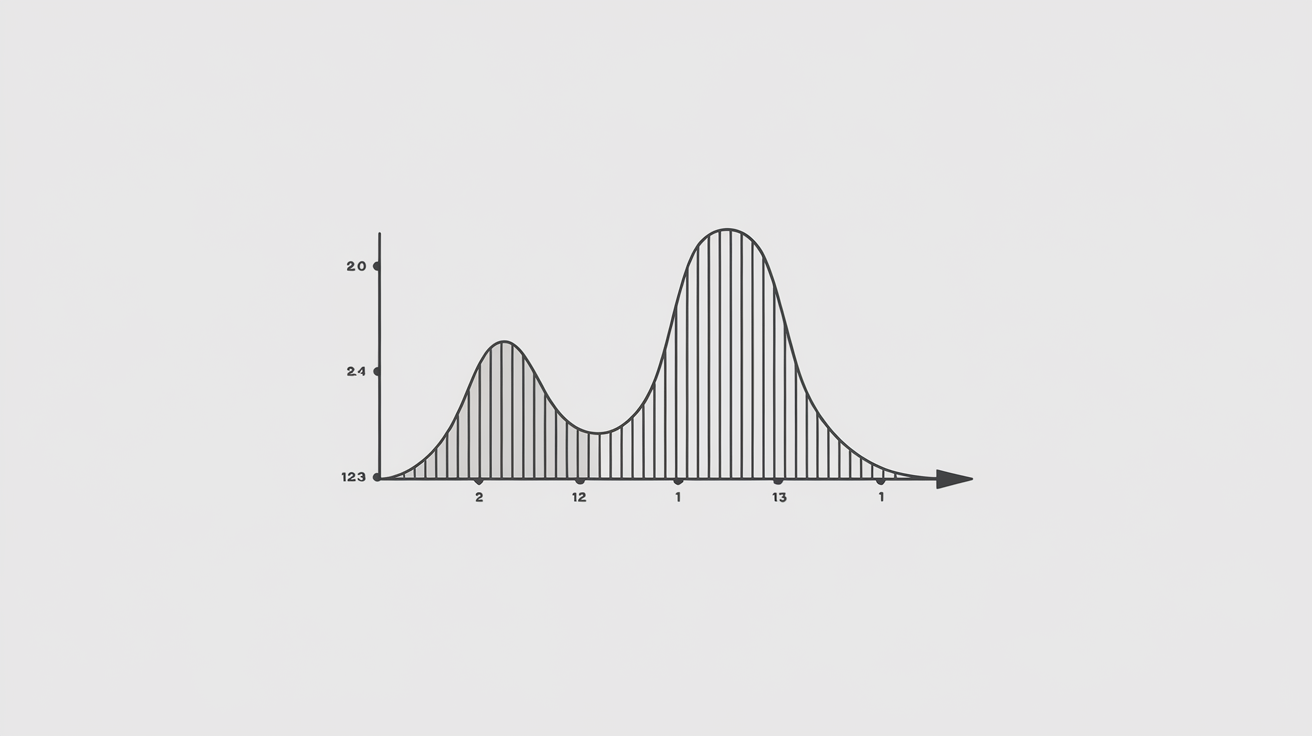
An isoquant curve represents all possible combinations of two inputs, like labor and capital, that yield the same quantity of output. Think of it as a map for producers to see how they can substitute one input for another without changing the production level.
“Iso” means equal, and “quant” means quantity.
Each point on the curve shows a different mix of inputs producing the same output.
It helps firms understand trade-offs in production.
Key Features of Isoquant Curves
Isoquant curves have distinct characteristics that make them useful in microeconomic analysis.
- Downward Sloping:
If you use less of one input, you need more of the other to keep output constant.
- Convex to the Origin:
This shape reflects diminishing marginal rates of technical substitution.
- Do Not Intersect:
Two isoquants cannot cross because each represents a different output level.
- Higher Isoquants Mean More Output:
Curves farther from the origin represent higher production.
Why Isoquant Curves Matter in Production
Isoquants help firms decide the best way to combine inputs to minimize costs and maximize output. They are essential in understanding production efficiency and input substitution.
They show how a firm can replace labor with machines or vice versa.
Help in finding the optimal input mix given input prices.
Assist in analyzing returns to scale and technological changes.
Isoquant Curve vs. Indifference Curve
While both curves look similar, they serve different purposes.
- Isoquant Curve:
Used in production to show input combinations for the same output.
- Indifference Curve:
Used in consumer theory to show combinations of goods providing the same satisfaction.
Isoquants focus on inputs; indifference curves focus on consumption.
How to Interpret the Marginal Rate of Technical Substitution (MRTS)
The MRTS is the rate at which one input can be substituted for another while keeping output constant. It equals the slope of the isoquant curve at any point.
MRTS decreases as you move down the curve, reflecting diminishing substitution.
It helps firms understand how flexible their production process is.
Knowing MRTS guides decisions on input adjustments.
Practical Example of an Isoquant Curve
Imagine a factory producing chairs using labor and machines. If the factory wants to produce 100 chairs, the isoquant curve shows all combinations of workers and machines that can make exactly 100 chairs.
If the factory hires fewer workers, it must use more machines to maintain output.
If machines become expensive, the firm might use more labor instead.
This flexibility helps optimize production costs.
Limitations of Isoquant Curves
While useful, isoquant curves have some limitations.
They assume only two inputs, which is a simplification.
They rely on the assumption of smooth substitutability between inputs.
Real-world production may face constraints not captured by isoquants.
Conclusion
The isoquant curve is a fundamental concept in microeconomics that helps explain how firms combine inputs to produce output efficiently. By understanding isoquants, you can better grasp production decisions and cost optimization.
Whether you’re a student or a business professional, knowing how to read and use isoquant curves will enhance your understanding of production theory and economic efficiency.
FAQs
What does an isoquant curve represent?
It shows all combinations of two inputs that produce the same output level in production.
How is an isoquant curve different from an indifference curve?
Isoquants relate to production inputs; indifference curves relate to consumer preferences for goods.
Why are isoquant curves convex to the origin?
Because of diminishing marginal rates of technical substitution, making input substitution less easy as you move along the curve.
What is the Marginal Rate of Technical Substitution?
MRTS is the rate at which one input can replace another without changing output, shown by the slope of the isoquant.
Can isoquant curves intersect?
No, isoquant curves cannot intersect because each curve represents a different output level.