What is CGE in Economic Modeling?
Explore what CGE means in economic modeling, its benefits, and how it helps analyze policy impacts and economic changes effectively.

Introduction to CGE in Economic Modeling
Understanding economic changes and policy impacts can be complex. That's where CGE, or Computable General Equilibrium modeling, comes in. It helps you see how different parts of an economy interact and adjust to changes.
In this article, we'll explore what CGE models are, why they matter, and how they provide clear insights into economic decisions that affect businesses, governments, and individuals.
What is CGE Modeling?
CGE stands for Computable General Equilibrium. It's a type of economic model that simulates how an entire economy reacts to changes like new taxes, trade policies, or technology shifts.
Unlike simpler models, CGE considers multiple markets and sectors simultaneously, capturing the complex interactions between consumers, producers, and the government.
Represents supply and demand across all markets
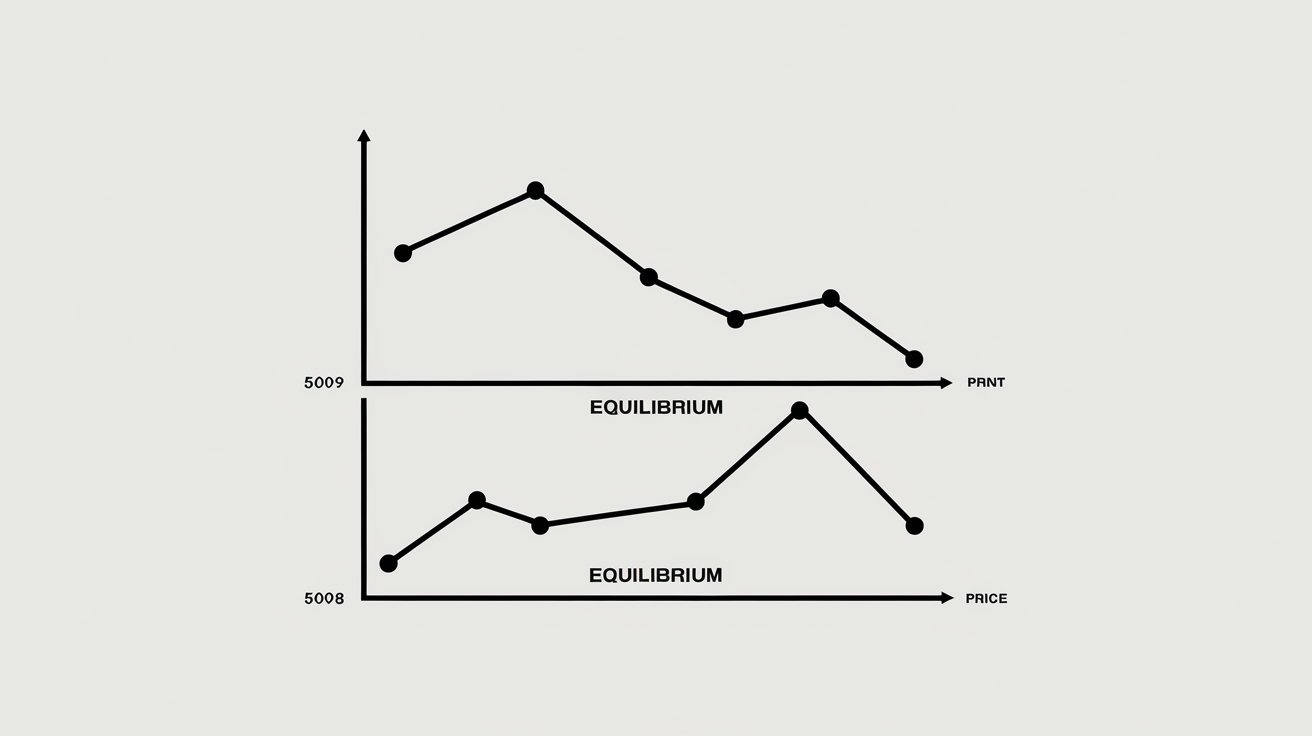
Balances resources and prices to find equilibrium
Uses real economic data for accuracy
How Does CGE Work?
CGE models use mathematical equations to represent economic behavior. They include:
Households maximizing utility (satisfaction) from consumption
Firms maximizing profits by choosing inputs and outputs
Government policies affecting taxes and spending
Market clearing conditions where supply equals demand
The model solves these equations to find a new equilibrium after a policy change or shock.
Applications of CGE Models
CGE models are powerful tools used by policymakers, researchers, and businesses to forecast economic outcomes.
- Trade Policy Analysis:
Assess effects of tariffs, trade agreements, or sanctions on industries and consumers.
- Tax Reforms:
Predict how changes in tax rates impact income distribution and government revenue.
- Environmental Policies:
Evaluate costs and benefits of carbon taxes or pollution regulations.
- Economic Shocks:
Analyze impacts of events like oil price changes or natural disasters.
Advantages of Using CGE Models
CGE models offer several benefits that make them valuable for economic analysis.
- Comprehensive:
Capture economy-wide effects, not just isolated sectors.
- Flexible:
Adapt to different countries, sectors, and policy scenarios.
- Data-Driven:
Use actual economic data for realistic results.
- Policy-Relevant:
Help decision-makers understand trade-offs and distributional impacts.
Limitations to Consider
While CGE models are powerful, they have some limitations you should know.
- Data Intensive:
Require detailed and reliable data, which may not always be available.
- Assumptions:
Rely on assumptions about behavior and market structures that may oversimplify reality.
- Static or Dynamic:
Some models only capture short-term effects without considering long-term changes.
- Complexity:
Can be difficult to build and interpret without expert knowledge.
How to Interpret CGE Model Results
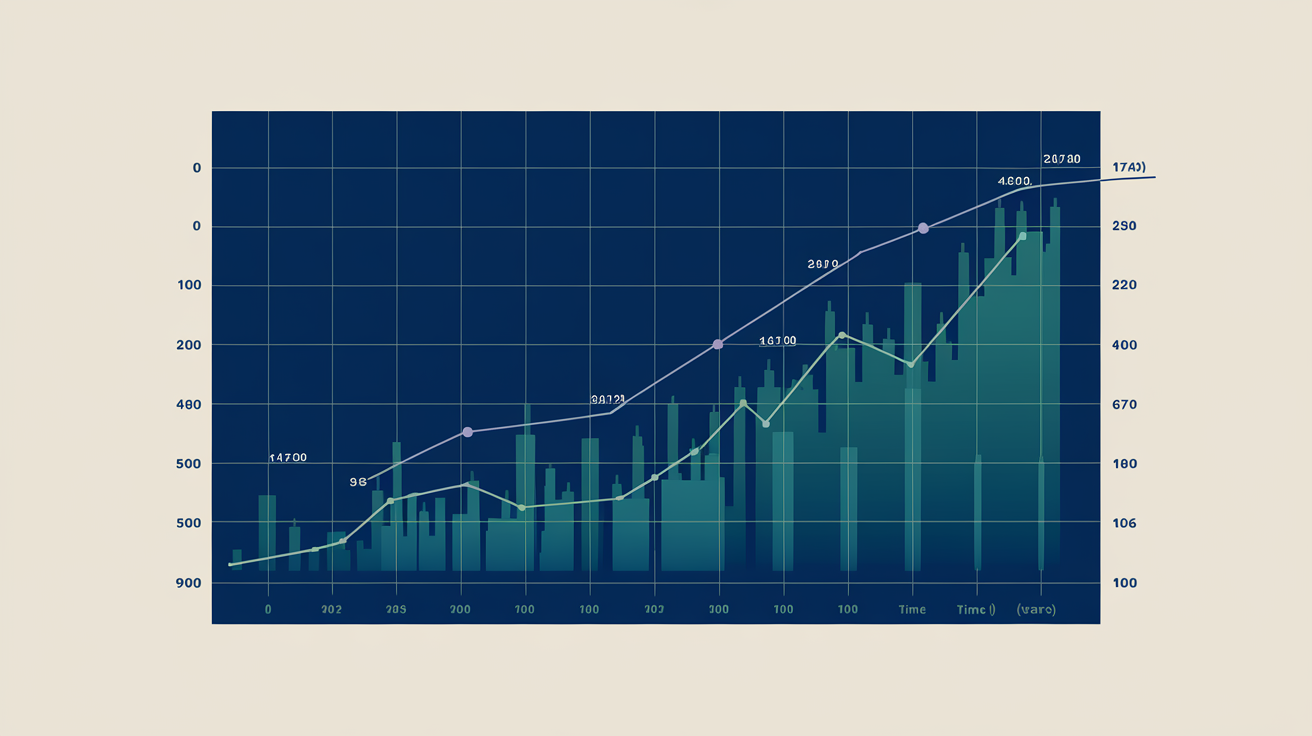
When you see CGE model outputs, they usually show changes in prices, production, consumption, and welfare after a policy or shock.
Look for percentage changes in GDP or sector output.
Check how household incomes and consumption adjust.
Consider distributional effects across income groups or regions.
Use results to weigh benefits against costs of policies.
Conclusion
CGE modeling is a powerful way to understand complex economic interactions and predict the effects of policies or shocks. It helps you see the big picture by linking markets, sectors, and agents in one framework.
While it requires good data and careful interpretation, CGE models provide valuable insights that support smarter economic decisions for governments, businesses, and society.
What does CGE stand for in economics?
CGE stands for Computable General Equilibrium, a modeling approach that simulates how economies adjust to changes across multiple markets simultaneously.
Why are CGE models important?
They help analyze the broad economic impact of policies and shocks, capturing interactions between sectors and agents for informed decision-making.
What data do CGE models use?
CGE models use detailed economic data like input-output tables, consumption patterns, production functions, and trade statistics to reflect real economies.
Can CGE models predict long-term effects?
Some CGE models include dynamic features to capture long-term changes, but many focus on short- to medium-term equilibrium adjustments.
Who uses CGE models?
Governments, international organizations, researchers, and businesses use CGE models to evaluate policies, trade, tax reforms, and environmental impacts.