What Is Steady-State Economy?
Explore what a steady-state economy is, its principles, benefits, and how it promotes sustainable growth and environmental balance.
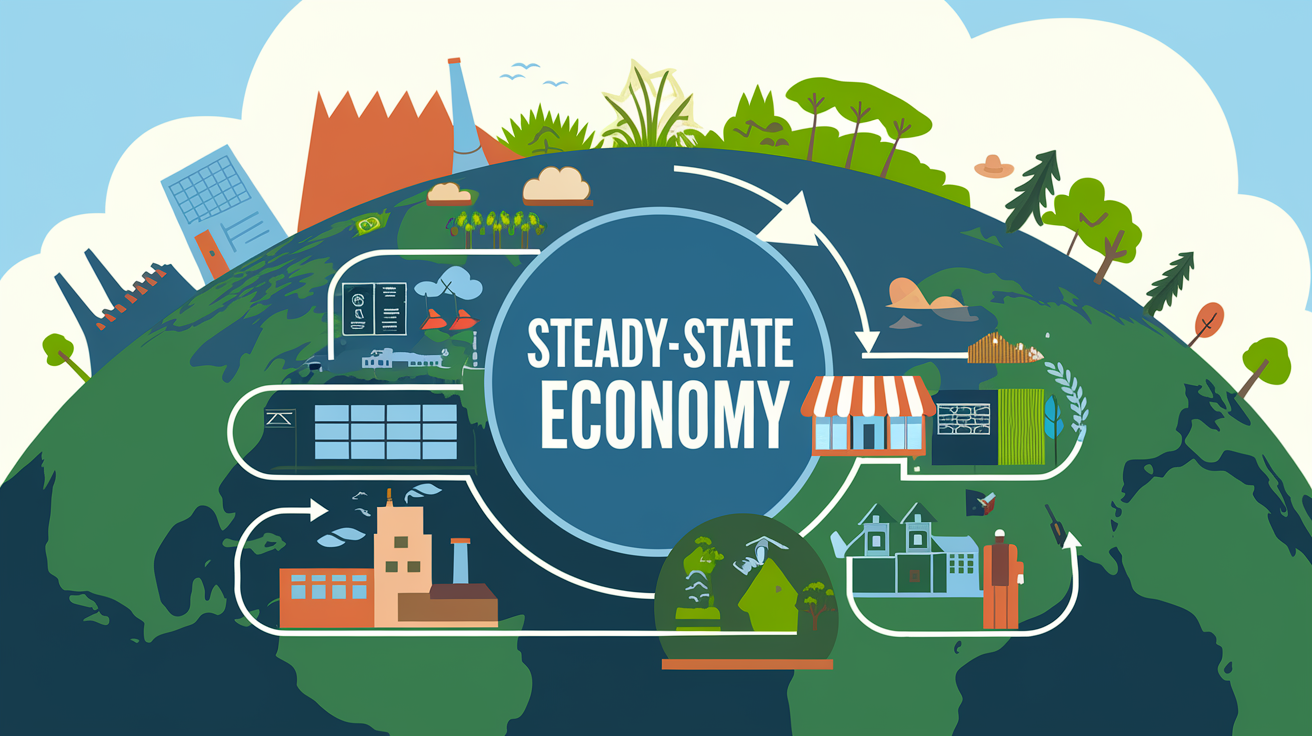
Introduction to Steady-State Economy
Understanding the concept of a steady-state economy is essential in today’s world where environmental concerns and resource limits are pressing. You might wonder how economies can grow without depleting natural resources or causing harm to the planet. A steady-state economy offers a solution by focusing on balance rather than endless expansion.
In this article, we’ll explore what a steady-state economy means, how it works, and why it matters for sustainable development. You’ll learn the key principles behind it and how it contrasts with traditional economic models.
What Is a Steady-State Economy?
A steady-state economy is an economic system aimed at maintaining a stable level of resource consumption and a constant population size. Instead of pursuing continuous growth, it focuses on sustainability and long-term ecological balance.
This concept was popularized by ecological economist Herman Daly. The goal is to keep the economy within the planet’s ecological limits, avoiding overuse of resources and environmental degradation.
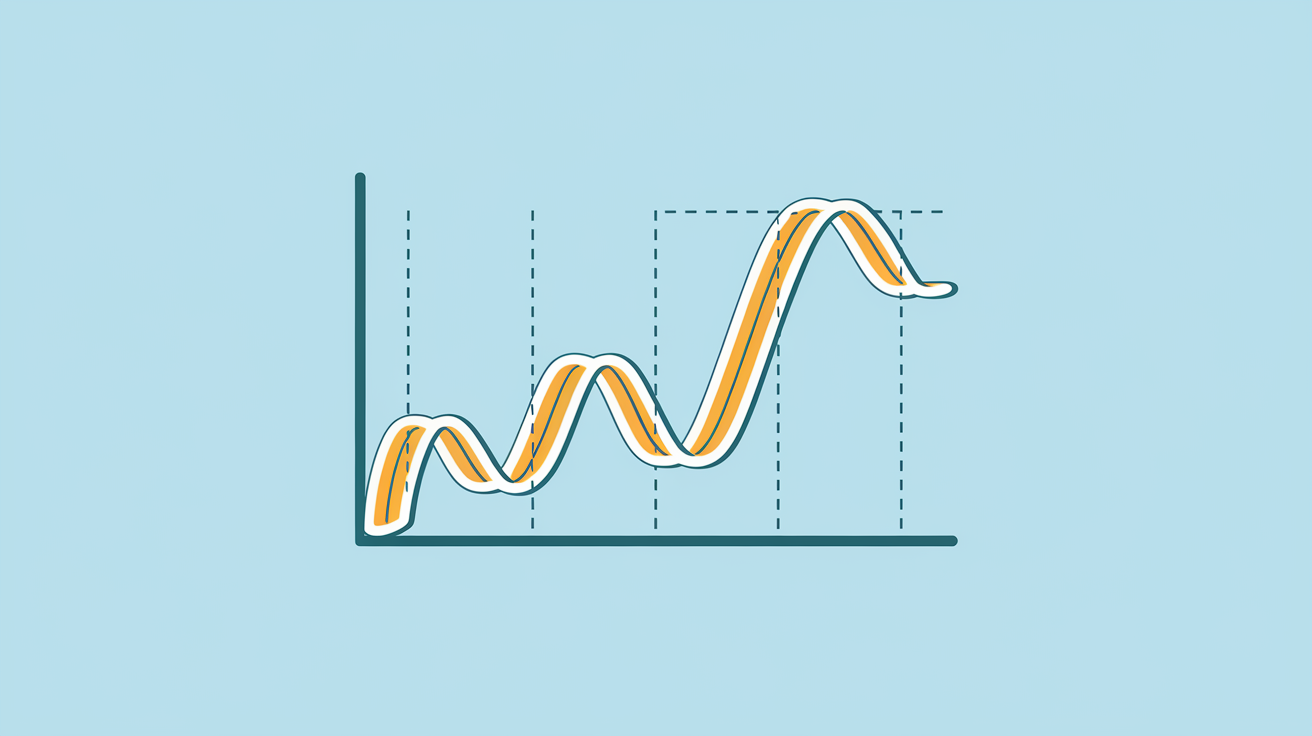
Maintains stable or mildly fluctuating economic activity.
Balances resource use with natural regeneration rates.
Limits population growth to sustainable levels.
Emphasizes quality of life over quantity of goods.
Key Principles of a Steady-State Economy
Several core principles guide a steady-state economy. These help ensure that economic activities do not exceed environmental capacities.
- Ecological Limits:
Economic processes must respect the Earth's finite resources and ecosystems.
- Resource Throughput Control:
Limits are placed on the flow of materials and energy through the economy.
- Population Stability:
Keeping population size steady to reduce pressure on resources.
- Equity and Fair Distribution:
Sharing resources fairly to avoid social disparities.
- Focus on Well-being:
Prioritizing health, education, and happiness over material consumption.
How Does a Steady-State Economy Work?
In practice, a steady-state economy requires changes in policies, business models, and individual behavior. It challenges the traditional focus on GDP growth as the main success indicator.
Governments and organizations may implement:
Caps on resource extraction and pollution emissions.
Promotion of renewable energy and circular economy practices.
Incentives for sustainable consumption and production.
Population policies supporting stable demographics.
Measures to reduce waste and increase recycling.
Benefits of a Steady-State Economy
Adopting a steady-state economy can bring multiple benefits for society and the environment.
- Environmental Protection:
Reduces pollution and conserves biodiversity.
- Resource Security:
Ensures long-term availability of essential materials.
- Social Stability:
Reduces inequality and promotes fair resource sharing.
- Improved Quality of Life:
Focuses on health, education, and community well-being.
- Resilience:
Builds an economy less vulnerable to shocks and crises.
Challenges and Criticisms
While promising, the steady-state economy faces challenges in implementation and acceptance.
- Political Resistance:
Growth-driven economies may resist limits on expansion.
- Economic Transition:
Shifting industries and jobs away from growth sectors can be difficult.
- Measuring Success:
New metrics beyond GDP are needed to track progress.
- Global Coordination:
Requires cooperation across countries to manage resources fairly.
Steady-State Economy vs. Traditional Growth Economy
The traditional growth economy prioritizes increasing production and consumption, often ignoring environmental costs. In contrast, a steady-state economy aims to balance economic activity with nature’s limits.
- Growth Economy:
Focus on GDP growth, resource exploitation, and expanding markets.
- Steady-State Economy:
Emphasis on sustainability, resource limits, and quality of life.
This shift requires rethinking economic goals and adopting sustainable practices at all levels.
Examples and Real-World Applications
Some regions and organizations are exploring steady-state principles in practice.
- Bhutan’s Gross National Happiness:
Prioritizes well-being over GDP growth.
- Circular Economy Initiatives:
Focus on recycling and reducing waste to maintain resource flow.
- Local Sustainability Programs:
Communities managing resources to stay within ecological limits.
These examples show how steady-state ideas can guide policies and lifestyles.
Conclusion
Understanding a steady-state economy helps you see how economic stability and environmental health can go hand in hand. It challenges the traditional growth mindset and offers a path toward sustainable living.
By focusing on balance, resource limits, and well-being, a steady-state economy aims to secure a healthy planet for future generations. You can explore ways to support this approach through your choices and advocacy.
FAQs
What is the main goal of a steady-state economy?
The main goal is to maintain a stable economy within ecological limits, ensuring sustainable resource use and a constant population size.
How does a steady-state economy differ from a growth economy?
A steady-state economy focuses on sustainability and balance, while a growth economy prioritizes continuous expansion and increased production.
Can a steady-state economy support modern lifestyles?
Yes, by emphasizing quality of life and efficient resource use, it supports well-being without overconsumption.
What challenges does a steady-state economy face?
Challenges include political resistance, economic restructuring, new success metrics, and global cooperation needs.
Are there countries practicing steady-state economy principles?
While no country fully practices it, Bhutan’s Gross National Happiness and circular economy initiatives reflect steady-state ideas.