What is Consumer Debt in Economics?
Understand consumer debt in economics, its types, impacts, and how managing it can improve your financial health and economic stability.

Introduction
Consumer debt plays a crucial role in the economy and in personal finance. It refers to the money individuals borrow to purchase goods and services, often through credit cards, loans, or other financing methods. Understanding consumer debt helps you manage your finances better and recognize its broader economic effects.
In this article, we’ll explore what consumer debt means in economics, the common types, its impact on individuals and the economy, and practical tips to handle it wisely.
What is Consumer Debt?
Consumer debt is the total amount of money owed by individuals to lenders for personal, non-business expenses. It includes borrowing to buy everyday items, pay for education, or cover emergencies. This debt is usually unsecured, meaning it’s not backed by collateral.
Examples include credit card balances, personal loans, auto loans, and student loans.
It differs from mortgage debt, which is secured by real estate.
Consumer debt allows people to access goods and services before saving the full amount.
Types of Consumer Debt
Consumer debt comes in various forms, each with different terms and interest rates. Knowing these can help you make informed borrowing decisions.
- Credit Card Debt:
Revolving debt with variable interest rates, often used for daily purchases.
- Personal Loans:
Fixed-term loans for specific purposes, usually with fixed interest rates.
- Auto Loans:
Secured loans specifically for purchasing vehicles.
- Student Loans:
Borrowed money to pay for education, often with lower interest rates and flexible repayment options.
How Consumer Debt Affects the Economy
Consumer debt influences economic growth and stability in several ways. When managed well, it can stimulate spending and investment. However, excessive debt can lead to financial crises.
- Boosts Consumption:
Debt allows consumers to spend more, supporting businesses and jobs.
- Interest Payments:
Lenders earn income from interest, which circulates in the economy.
- Risk of Defaults:
High debt levels can lead to missed payments, hurting lenders and economic confidence.
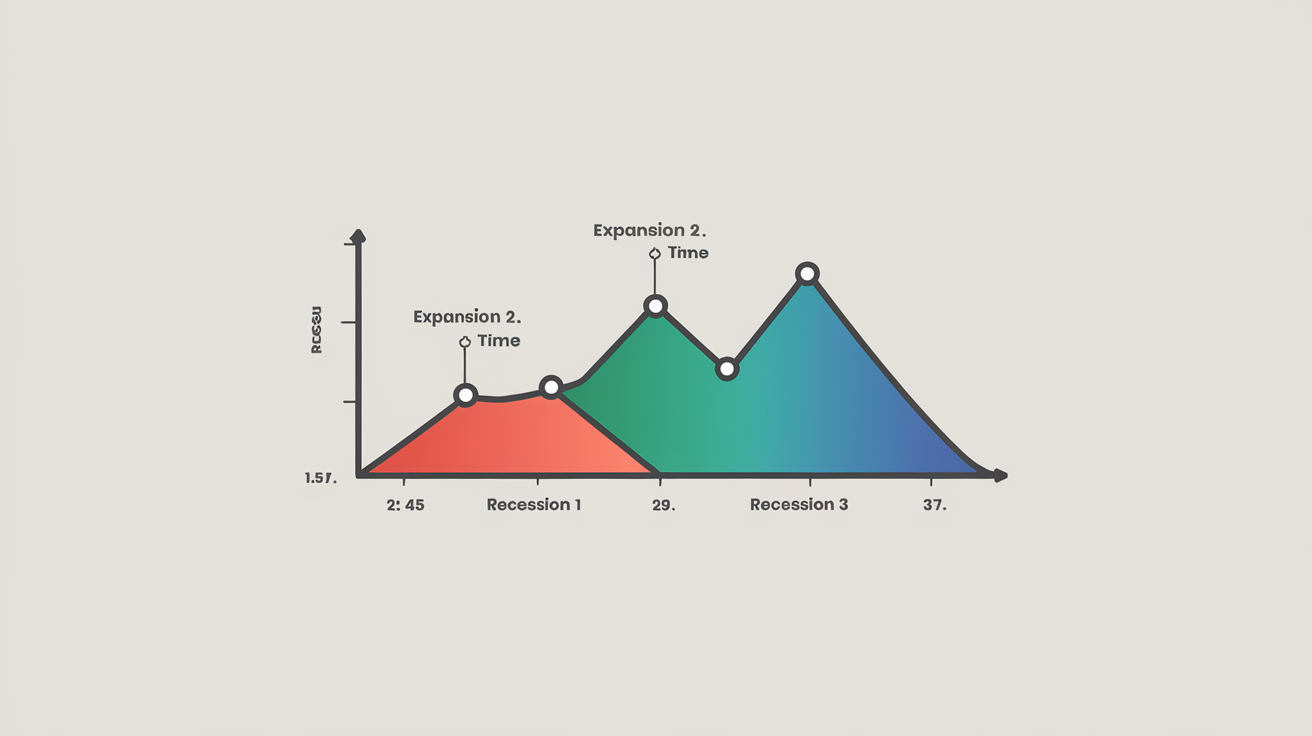
- Economic Cycles:
Rising consumer debt often precedes economic expansions and contractions.
Impact of Consumer Debt on Personal Finance
On an individual level, consumer debt can be both a tool and a burden. Responsible use can build credit history and financial flexibility. Poor management, however, can cause stress and financial hardship.
- Credit Score:
Timely payments improve credit scores, aiding future borrowing.
- Debt-to-Income Ratio:
High debt relative to income can limit borrowing capacity and increase financial strain.
- Interest Costs:
Carrying balances on high-interest debt like credit cards can be expensive.
- Financial Stress:
Overwhelming debt can affect mental health and life decisions.
Strategies to Manage Consumer Debt
Managing consumer debt effectively is key to maintaining financial health. Here are practical steps you can take:
- Create a Budget:
Track income and expenses to identify areas to reduce spending.
- Prioritize High-Interest Debt:
Pay off credit cards and other expensive loans first.
- Consolidate Debt:
Consider loans with lower interest rates to combine multiple debts.
- Avoid New Debt:
Limit borrowing to essential needs and emergencies.
- Seek Professional Advice:
Financial counselors can help develop personalized repayment plans.
Consumer Debt Trends and Economic Outlook
In recent years, consumer debt levels have fluctuated with economic conditions. Advances in technology and financial products have made borrowing easier, but also require consumers to be more cautious.
Rising interest rates can increase repayment costs.
Economic uncertainty may lead to cautious borrowing and spending.
Financial literacy programs are improving consumer awareness.
Regulatory changes aim to protect consumers from predatory lending.
Conclusion
Consumer debt is a significant part of both personal finance and the broader economy. It can provide opportunities for growth and convenience but also carries risks if not managed carefully. By understanding its types, impacts, and management strategies, you can make smarter financial decisions.
Keeping your debt under control helps you maintain financial stability and contributes positively to the economy. Always approach borrowing thoughtfully and seek help if debt becomes overwhelming.
What is consumer debt in simple terms?
Consumer debt is money individuals borrow to buy goods or services for personal use, like credit card debt or personal loans.
How does consumer debt impact the economy?
It boosts spending and economic growth but can cause problems if too many people default on loans.
What are the common types of consumer debt?
Credit card debt, personal loans, auto loans, and student loans are the most common types.
How can I manage my consumer debt effectively?
Create a budget, prioritize paying high-interest debt, avoid new debt, and consider debt consolidation.
Why is consumer debt important to understand?
Knowing about consumer debt helps you borrow wisely, protect your credit, and avoid financial stress.