What is Scarcity in Economics?
Understand scarcity in economics, its causes, and how it affects resource allocation and decision-making in everyday life and markets.
Introduction
Scarcity is a fundamental concept in economics that affects every decision we make. It means there are limited resources but unlimited wants. Understanding scarcity helps you see why choices are necessary in spending, saving, and investing.
In this article, we'll explore what scarcity means, why it happens, and how it shapes economic behavior. You'll learn how scarcity influences markets and your personal financial decisions.
What is Scarcity in Economics?
Scarcity occurs when resources are limited but human wants are endless. It forces individuals, businesses, and governments to make choices about how to use resources efficiently.
Resources include natural materials, labor, capital, and time. Because these are finite, scarcity means not all wants can be satisfied at once.
Limited supply of goods and services
Unlimited desires and needs
Necessity of prioritizing resource allocation
Causes of Scarcity
Several factors cause scarcity in economics. Understanding these helps explain why resources are always in demand.
- Natural limits:
Resources like water, minerals, and land are finite.
- Population growth:
More people increase demand for limited resources.
- Economic growth:
Expanding industries require more inputs, straining supplies.
- Technological constraints:
Some resources are hard to extract or produce efficiently.
How Scarcity Affects Economic Decisions
Scarcity forces choices at every level. Since resources are limited, deciding how to use them wisely is key.
- Opportunity cost:
Choosing one option means giving up another.
- Prioritization:
Individuals and businesses rank needs and wants.
- Trade-offs:
Balancing benefits and costs in decisions.
- Resource allocation:
Markets and governments decide how to distribute scarce goods.
Scarcity and Market Behavior
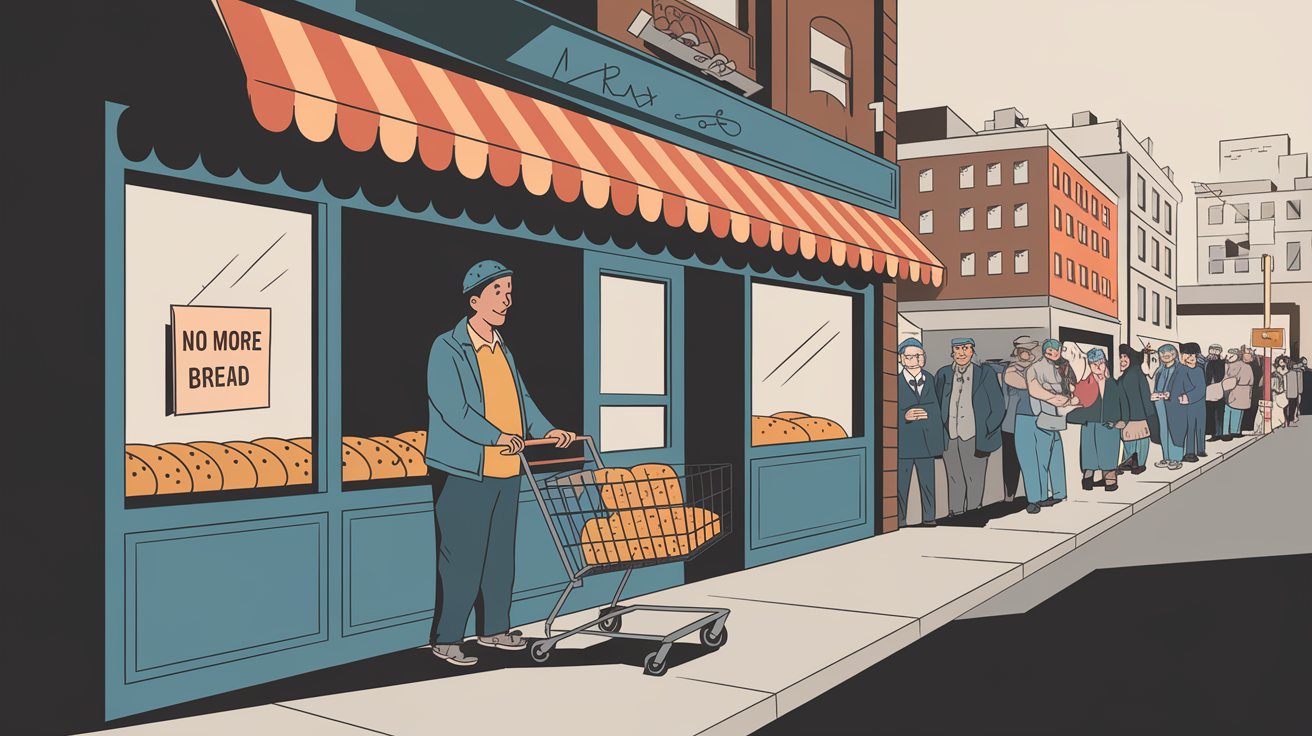
Scarcity drives prices and market dynamics. When something is scarce, its price usually rises, signaling producers to supply more and consumers to use less.
- Supply and demand:
Scarcity reduces supply relative to demand, increasing prices.
- Incentives:
Higher prices encourage innovation and resource discovery.
- Rationing:
Prices help allocate scarce goods fairly in markets.
Examples of Scarcity in Everyday Life
You encounter scarcity daily, often without noticing. Here are common examples:
- Time scarcity:
Limited hours in a day to work, rest, and play.
- Money scarcity:
Budget constraints force spending choices.
- Natural resources:
Water shortages in drought-prone areas.
- Housing:
Limited affordable homes in growing cities.
Managing Scarcity: Strategies and Solutions
While scarcity cannot be eliminated, it can be managed through smart strategies.
- Efficient resource use:
Reducing waste and improving productivity.
- Innovation:
Developing alternatives and new technologies.
- Government policies:
Regulations and incentives to balance supply and demand.
- Personal finance:
Budgeting and prioritizing spending.
Conclusion
Scarcity is the root of all economic problems. It forces us to make choices and prioritize our needs and wants. By understanding scarcity, you can make better financial and investment decisions.
Markets, governments, and individuals all respond to scarcity through pricing, innovation, and policy. Recognizing scarcity’s role helps you navigate economic challenges more effectively.
What is the difference between scarcity and shortage?
Scarcity is a permanent condition of limited resources versus unlimited wants. Shortage is temporary and occurs when demand exceeds supply at a given price.
How does scarcity influence opportunity cost?
Scarcity means choosing one option requires giving up another, which is the opportunity cost of that decision.
Can scarcity be eliminated?
No, scarcity is a fundamental economic problem due to finite resources and infinite wants, so it cannot be completely eliminated.
Why do prices rise when goods are scarce?
Prices rise to balance limited supply with demand, encouraging efficient use and increased production.
How can individuals manage scarcity in their finances?
By budgeting, prioritizing spending, and making informed choices, individuals can better handle limited financial resources.