What is Overheated Economy? Causes & Effects Explained
Understand what an overheated economy is, its causes, effects, and how to manage economic overheating effectively.
Introduction
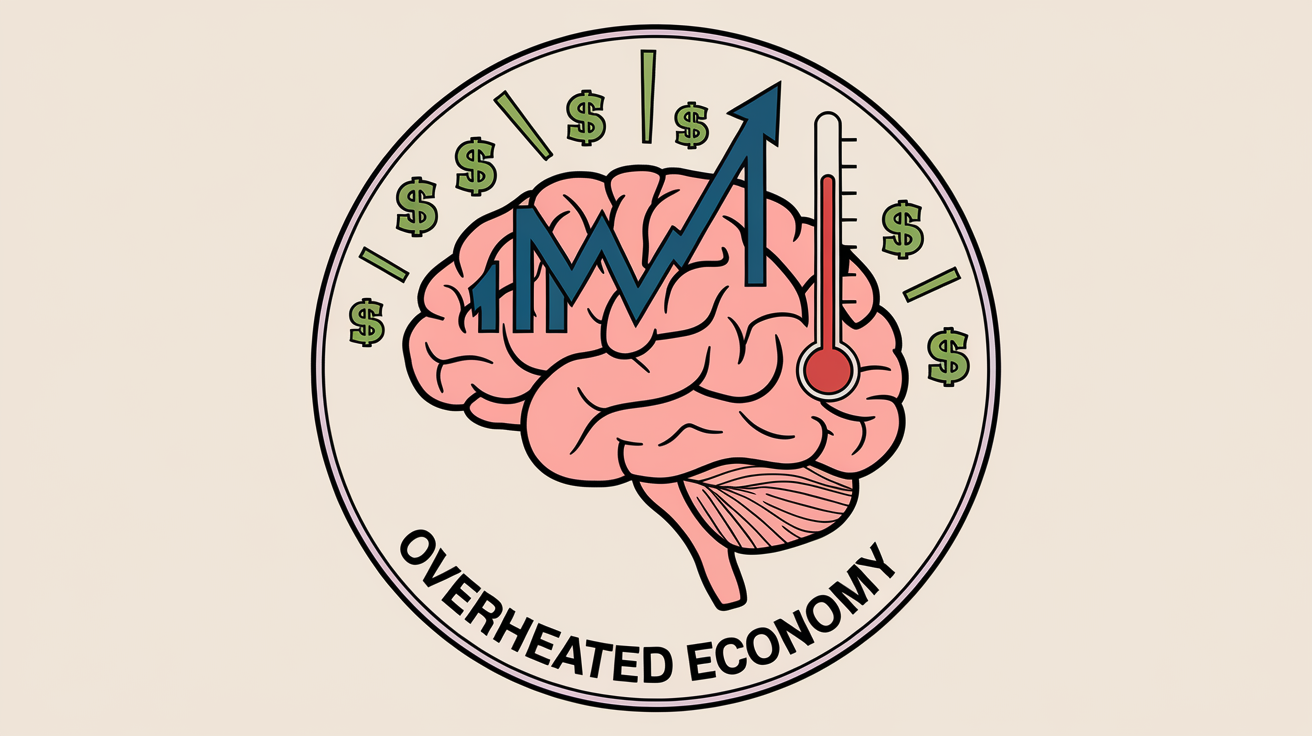
Your economy can sometimes grow too fast, leading to what experts call an overheated economy. This happens when demand outpaces supply, causing prices to rise quickly and inflation to spike. Understanding this concept helps you grasp why governments and central banks act to cool down the economy.
We’ll explore what an overheated economy means, why it happens, its effects on your finances, and how policymakers try to manage it. This knowledge empowers you to make smarter financial decisions during volatile economic times.
What is an Overheated Economy?
An overheated economy occurs when economic growth is unsustainably rapid. Demand for goods and services exceeds what the economy can produce, pushing prices higher. This imbalance often leads to inflation and can cause instability.
In simple terms, it’s like a car engine running too hot. The economy speeds up beyond its safe limits, which can cause damage if not controlled.
High consumer spending and investment fuel demand.
Production capacity struggles to keep up.
Prices rise quickly, reducing purchasing power.
Inflation becomes a major concern.
Causes of an Overheated Economy
Several factors can push an economy into overheating. Recognizing these helps you understand the bigger picture behind economic booms and busts.
- Excessive Consumer Spending:
When people spend more than usual, businesses struggle to meet demand.
- Low Unemployment:
Near full employment means wages rise, increasing costs and prices.
- Easy Credit Conditions:
Low interest rates encourage borrowing, boosting spending and investment.
- Government Stimulus:
Large fiscal spending can inject too much money into the economy.
- Supply Constraints:
Limited resources or production bottlenecks restrict supply growth.
Effects of an Overheated Economy
An overheated economy impacts you directly and indirectly. It affects prices, job markets, and investment returns.
- Rising Inflation:
Prices for everyday goods and services increase, reducing your purchasing power.
- Higher Interest Rates:
Central banks may raise rates to cool inflation, making loans more expensive.
- Asset Bubbles:
Rapid price increases in stocks or real estate can lead to bubbles that eventually burst.
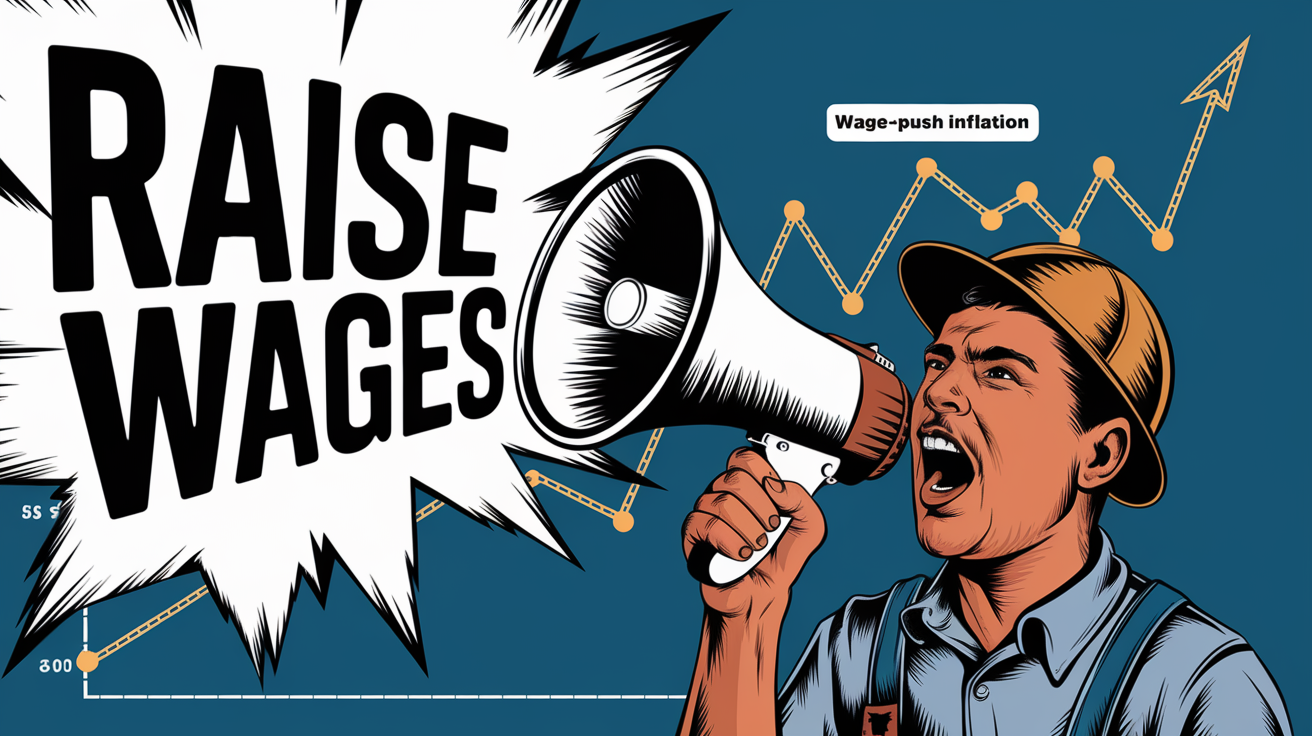
- Wage Pressure:
Employers raise wages to attract workers, which can further fuel inflation.
- Economic Slowdown Risk:
Overheating often precedes a recession as corrective measures take effect.
How Policymakers Manage an Overheated Economy
Governments and central banks use several tools to prevent or control overheating. These actions aim to slow down demand and stabilize prices.
- Monetary Policy Tightening:
Raising interest rates makes borrowing costlier, reducing spending and investment.
- Reducing Money Supply:
Central banks may sell government bonds to absorb excess liquidity.
- Fiscal Policy Adjustments:
Governments can cut spending or increase taxes to reduce disposable income.
- Regulating Credit:
Stricter lending standards limit excessive borrowing.
- Supply-Side Measures:
Investing in infrastructure and production capacity to ease supply constraints.
Examples of Overheated Economies
History offers clear examples of overheated economies and their consequences.
- United States in the Late 1960s:
Excessive government spending and low interest rates led to high inflation and economic instability.
- Japan in the 1980s:
Asset price bubbles in real estate and stocks caused a severe economic crash after overheating.
- China’s Rapid Growth:
Periodic overheating concerns have led to government interventions to cool down investment and credit.
What You Can Do During an Overheated Economy
Knowing how to protect your finances during overheating is crucial.
- Review Your Budget:
Expect higher prices and adjust spending accordingly.
- Consider Fixed-Rate Loans:
Locking in interest rates can protect you from rising borrowing costs.
- Diversify Investments:
Avoid overexposure to overheated asset classes like real estate or stocks.
- Build an Emergency Fund:
Inflation can increase living costs unexpectedly.
- Stay Informed:
Monitor economic indicators like inflation rates and central bank announcements.
Conclusion
Understanding what an overheated economy is helps you navigate periods of rapid growth and inflation. It shows why prices rise quickly and why central banks may raise interest rates to cool things down.
By recognizing the causes and effects, you can better prepare your finances and investments. Staying informed and proactive allows you to manage risks and seize opportunities even when the economy is running hot.
FAQs
What triggers an economy to overheat?
Excessive demand, low unemployment, easy credit, and government stimulus can push an economy beyond sustainable growth, causing overheating.
How does inflation relate to an overheated economy?
Inflation rises as demand outpaces supply, causing prices to increase rapidly during economic overheating.
Can an overheated economy lead to a recession?
Yes, corrective measures to cool an overheated economy often slow growth, sometimes triggering a recession.
What role do central banks play in managing overheating?
Central banks raise interest rates and tighten monetary policy to reduce spending and control inflation during overheating.
Is an overheated economy always bad for investors?
Not always; some investors benefit from rising asset prices, but risks increase if bubbles burst or inflation erodes returns.