What is Stagflation In Macroeconomics
Understand stagflation in macroeconomics, its causes, effects, and strategies to manage this challenging economic condition.
Introduction
Stagflation is a tricky economic situation where slow growth, high unemployment, and rising prices happen all at once. It challenges the usual ways economists think about managing the economy.
If you want to understand what stagflation means for the economy and your finances, this article will guide you through its causes, effects, and how policymakers respond.
What Is Stagflation?
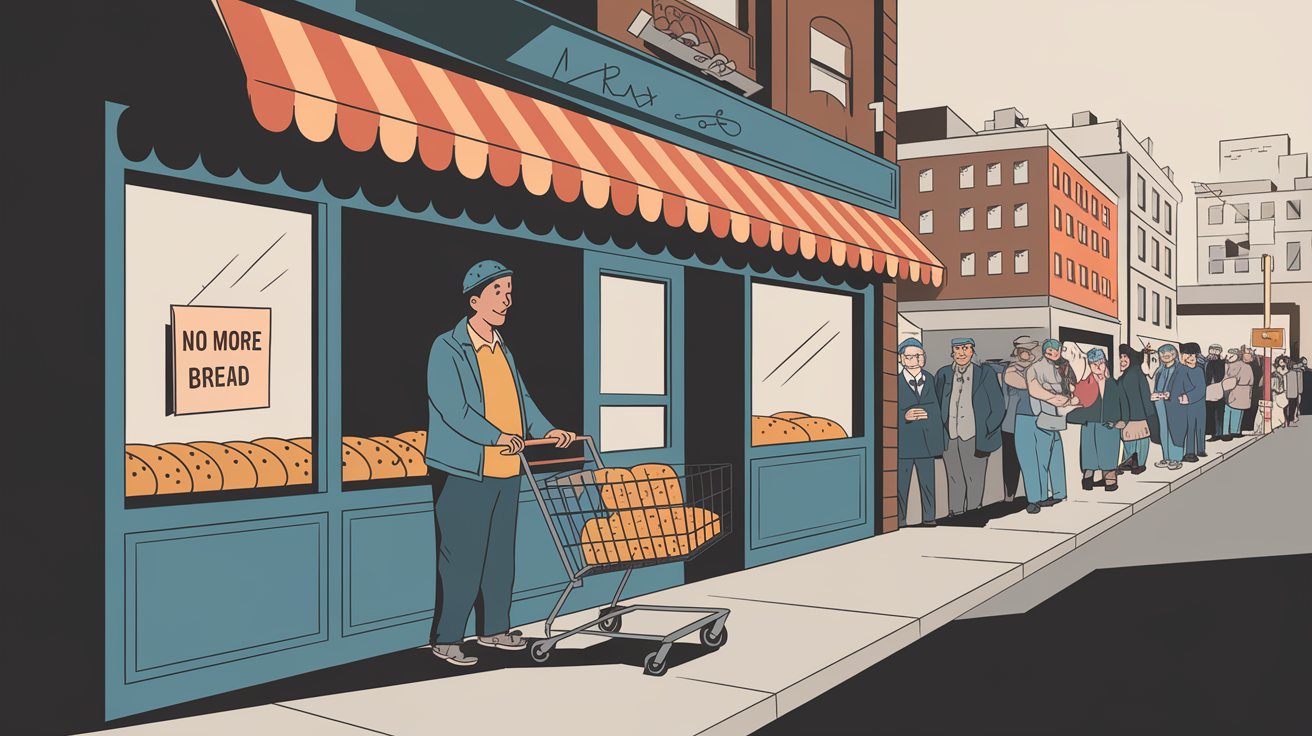
Stagflation combines two words: stagnation and inflation. It means the economy is not growing much or is shrinking, while prices keep going up. Usually, inflation happens when the economy grows fast, but stagflation breaks that pattern.
This situation creates a dilemma because the usual tools to fight inflation can hurt growth, and tools to boost growth can worsen inflation.
Causes of Stagflation
Several factors can cause stagflation. Understanding these helps explain why it’s so hard to fix.
- Supply Shocks:
Sudden increases in costs, like oil price spikes, raise production costs and push prices up while slowing growth.
- Poor Monetary Policies:
Excessive money printing can cause inflation, but if economic growth is weak, stagflation may result.
- Wage-Price Spiral:
When workers demand higher wages due to rising prices, companies raise prices more, creating a loop.
- Structural Problems:
Issues like low productivity or rigid labor markets can slow growth even as prices rise.
Effects of Stagflation on the Economy
Stagflation impacts many parts of the economy and everyday life.
- High Unemployment:
Businesses struggle to grow and hire, leading to job losses.
- Reduced Consumer Spending:
Rising prices and job insecurity make people spend less.
- Lower Investment:
Companies hesitate to invest in uncertain economic conditions.
- Policy Challenges:
Governments find it hard to balance fighting inflation without hurting growth.
How Policymakers Respond to Stagflation
Dealing with stagflation requires careful strategies because traditional tools may backfire.
- Monetary Tightening:
Central banks may raise interest rates to control inflation but risk slowing growth further.
- Supply-Side Policies:
Improving productivity through deregulation, tax cuts, or innovation incentives can help growth without causing inflation.
- Fiscal Measures:
Targeted government spending on infrastructure or education can boost the economy long-term.
- Wage and Price Controls:
Sometimes used temporarily to break inflation cycles, but they can distort markets.
Examples of Stagflation in History
The most famous example of stagflation occurred in the 1970s. Oil price shocks caused inflation to soar while economic growth slowed in many countries.
This period showed how difficult it is to manage stagflation and led to new economic thinking focused on supply-side solutions.
How Stagflation Affects You
Stagflation can impact your finances in several ways:
- Rising Costs:
Everyday goods and services become more expensive.
- Job Security:
Higher unemployment means more competition for jobs.
- Investment Returns:
Stock and bond markets may perform poorly during stagflation.
- Saving Challenges:
Inflation erodes the value of your savings if interest rates are low.
Strategies to Protect Your Finances During Stagflation
You can take steps to reduce stagflation’s impact on your money.
- Diversify Investments:
Include assets like commodities or inflation-protected securities.
- Focus on Quality Stocks:
Companies with pricing power can better handle inflation.
- Control Spending:
Budget carefully to manage rising costs.
- Build Emergency Savings:
Prepare for job uncertainty.
Conclusion
Stagflation is a rare but serious economic problem where inflation and stagnation happen together. It creates tough challenges for policymakers and individuals alike.
By understanding its causes and effects, you can better prepare your finances and recognize why traditional economic solutions may not work well during stagflation.
What causes stagflation in an economy?
Stagflation is caused by supply shocks, poor monetary policies, wage-price spirals, and structural economic problems that slow growth while pushing prices up.
Why is stagflation difficult to manage?
Because fighting inflation with high interest rates can hurt growth, and boosting growth can increase inflation, making policy decisions complex.
How did the 1970s oil crisis contribute to stagflation?
The oil price shocks raised production costs sharply, causing inflation to rise while economic growth slowed, leading to stagflation.
What investment strategies work during stagflation?
Diversifying into commodities, inflation-protected assets, and quality stocks helps protect your portfolio from stagflation’s effects.
Can governments completely prevent stagflation?
While governments can reduce risks, completely preventing stagflation is difficult due to its complex causes and external shocks.