What Is Double-Dip Recession in Macroeconomics?
Understand what a double-dip recession is in macroeconomics, its causes, effects, and how it impacts economies and investments.

Introduction
You might have heard the term "double-dip recession" in economic news and wondered what it really means. In simple terms, it refers to a situation where an economy falls into recession, recovers briefly, and then slips back into recession again. This pattern can be confusing and concerning for investors, businesses, and policymakers alike.
In this article, we’ll explore what a double-dip recession is, why it happens, and what effects it has on the economy. Understanding this concept can help you make smarter financial decisions and better prepare for economic ups and downs.
What Is a Double-Dip Recession?
A double-dip recession occurs when an economy experiences two periods of economic decline separated by a short recovery. Typically, a recession is defined as two consecutive quarters of negative GDP growth. In a double-dip scenario, after the first recession ends and the economy shows signs of growth, it quickly falls back into recession again.
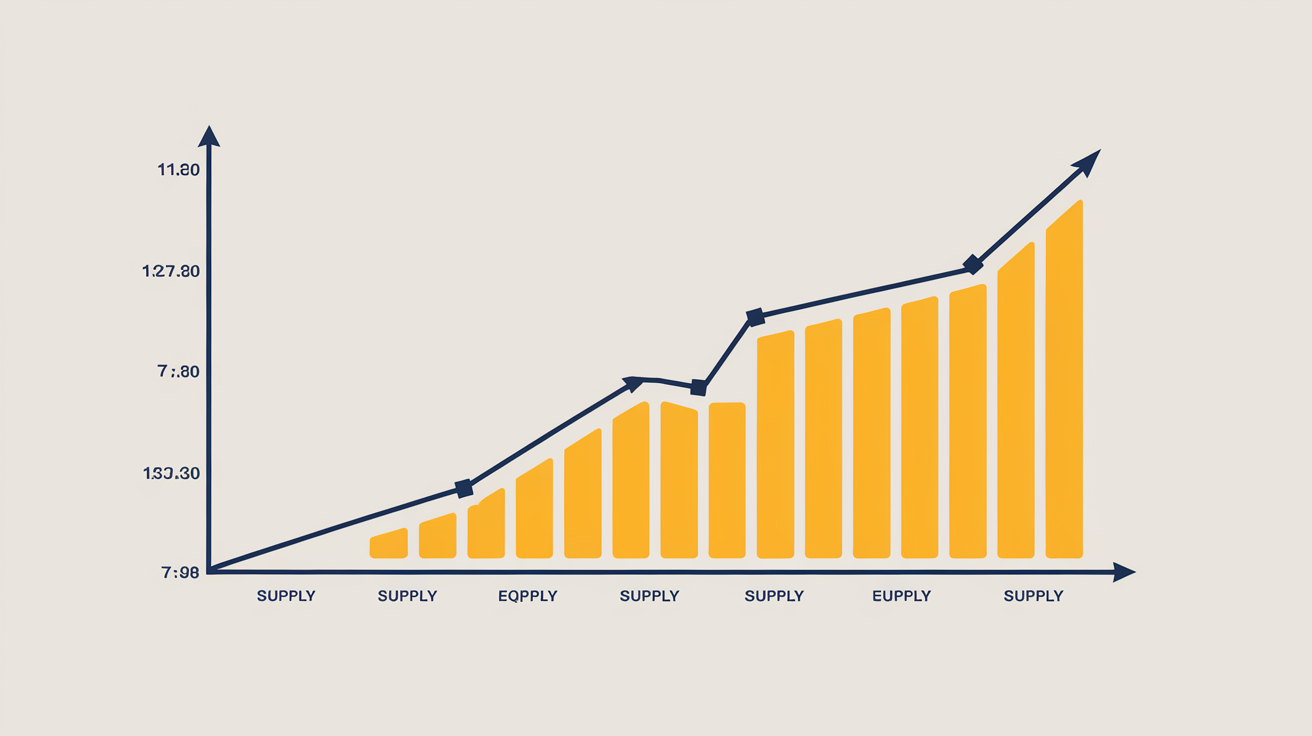
This pattern looks like a “W” on a GDP growth chart, with the economy dipping down, rising briefly, then dipping down again. It differs from a prolonged recession or a single recession followed by steady recovery.
Causes of a Double-Dip Recession
Several factors can trigger a double-dip recession. Understanding these causes helps explain why economies sometimes struggle to maintain recovery.
- Weak Economic Recovery:
After the first recession, growth may be too fragile or slow to sustain momentum.
- Policy Mistakes:
Premature tightening of monetary or fiscal policies can choke off recovery.
- External Shocks:
New crises like oil price spikes, geopolitical tensions, or financial market turmoil can push the economy back into recession.
- Consumer and Business Confidence:
If confidence remains low, spending and investment stay weak, limiting growth.
- Structural Problems:
Deep issues like high debt levels or unemployment can prevent a stable recovery.
Examples of Double-Dip Recessions
History provides some clear examples of double-dip recessions that affected major economies.
- United States in the Early 1980s:
The U.S. experienced two recessions close together, with a brief recovery in between, largely due to tight monetary policy to fight inflation.
- Japan in the 1990s:
Japan’s prolonged economic stagnation included periods resembling double-dip recessions amid asset price crashes.
- Eurozone Post-2008 Crisis:
Some European countries faced double-dip recessions after the global financial crisis due to debt crises and austerity measures.
Economic and Investment Impacts
Double-dip recessions can have serious consequences for economies and investors.
- Rising Unemployment:
Job losses often deepen as businesses cut costs during repeated downturns.
- Lower Consumer Spending:
People tend to save more and spend less, slowing economic growth further.
- Market Volatility:
Stock and bond markets may become unstable, increasing investment risks.
- Business Uncertainty:
Companies may delay expansion or hiring, affecting long-term growth.
- Policy Challenges:
Governments and central banks may struggle to balance stimulus with inflation control.
How to Prepare for a Double-Dip Recession
While predicting recessions is difficult, you can take steps to protect your finances if a double-dip recession occurs.
- Diversify Investments:
Spread your portfolio across asset classes to reduce risk.
- Maintain Emergency Savings:
Keep cash reserves to cover expenses during economic downturns.
- Reduce Debt:
Lowering high-interest debt improves financial flexibility.
- Stay Informed:
Follow economic indicators and policy changes to anticipate shifts.
- Consider Defensive Stocks:
Companies in essential sectors often perform better during recessions.
Conclusion
A double-dip recession is a challenging economic event where a brief recovery is interrupted by a second downturn. It results from fragile growth, policy errors, or external shocks and can lead to increased unemployment and market volatility.
By understanding this concept and its causes, you can better navigate economic uncertainties. Preparing your finances with diversification, savings, and prudent investment choices helps you stay resilient through such cycles.
FAQs
What distinguishes a double-dip recession from a regular recession?
A double-dip recession involves two separate recessions with a short recovery in between, while a regular recession is a single continuous economic decline.
Can governments prevent double-dip recessions?
Governments can reduce risks by careful policy planning, but external shocks and market reactions can still cause double-dip recessions despite efforts.
How long does a double-dip recession usually last?
The duration varies but typically includes two recession periods separated by a few quarters of recovery, lasting from months to a couple of years overall.
Are double-dip recessions common?
They are relatively rare compared to single recessions but can occur during fragile economic recoveries or volatile global conditions.
What sectors are safest during a double-dip recession?
Defensive sectors like healthcare, utilities, and consumer staples tend to be more stable as demand for their products remains steady.