What is Knowledge Economy? Key Features & Benefits
Explore what the knowledge economy is, its key features, benefits, and how it shapes modern business and innovation.
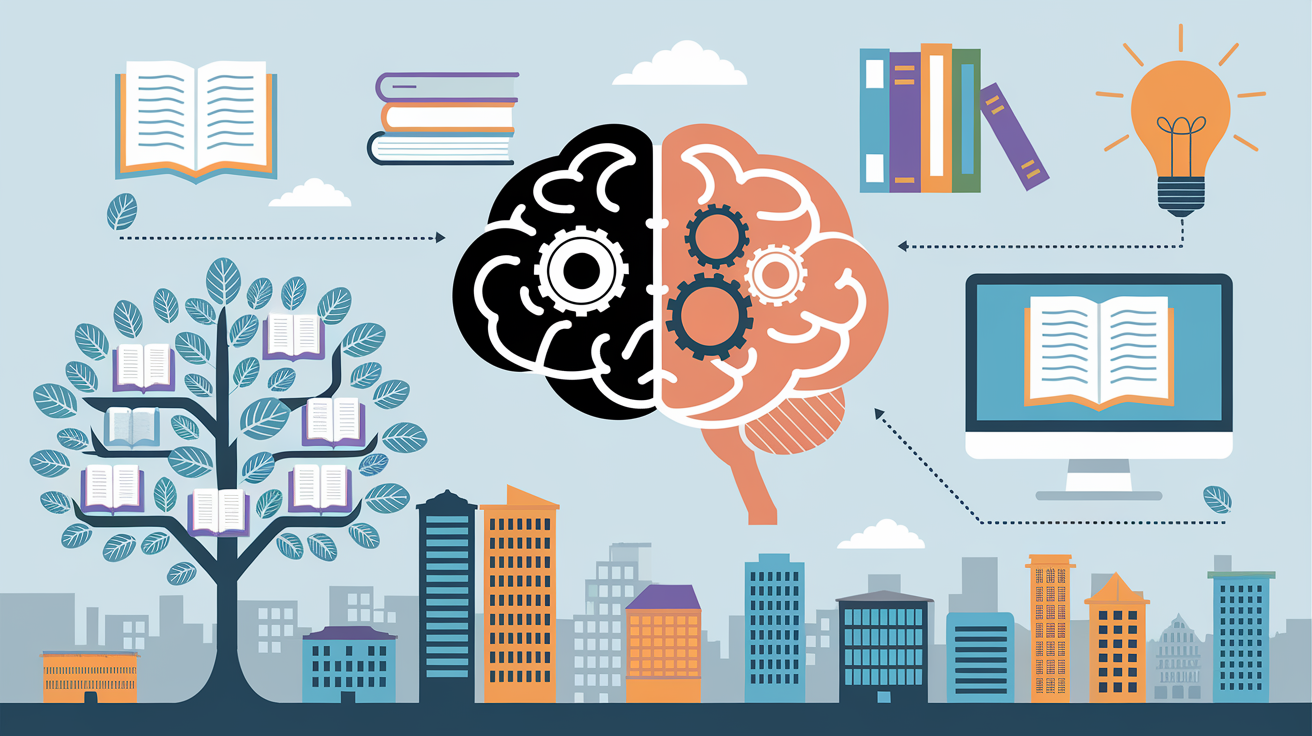
Introduction
You might have heard the term "knowledge economy" in business or tech discussions. But what exactly does it mean? Simply put, a knowledge economy is one where knowledge, information, and intellectual capabilities drive growth and value more than traditional resources like land or labor.
In today’s fast-changing world, understanding the knowledge economy helps you see how innovation, education, and technology shape industries and create new opportunities. Let’s dive into what makes it unique and why it matters to you.
What is the Knowledge Economy?
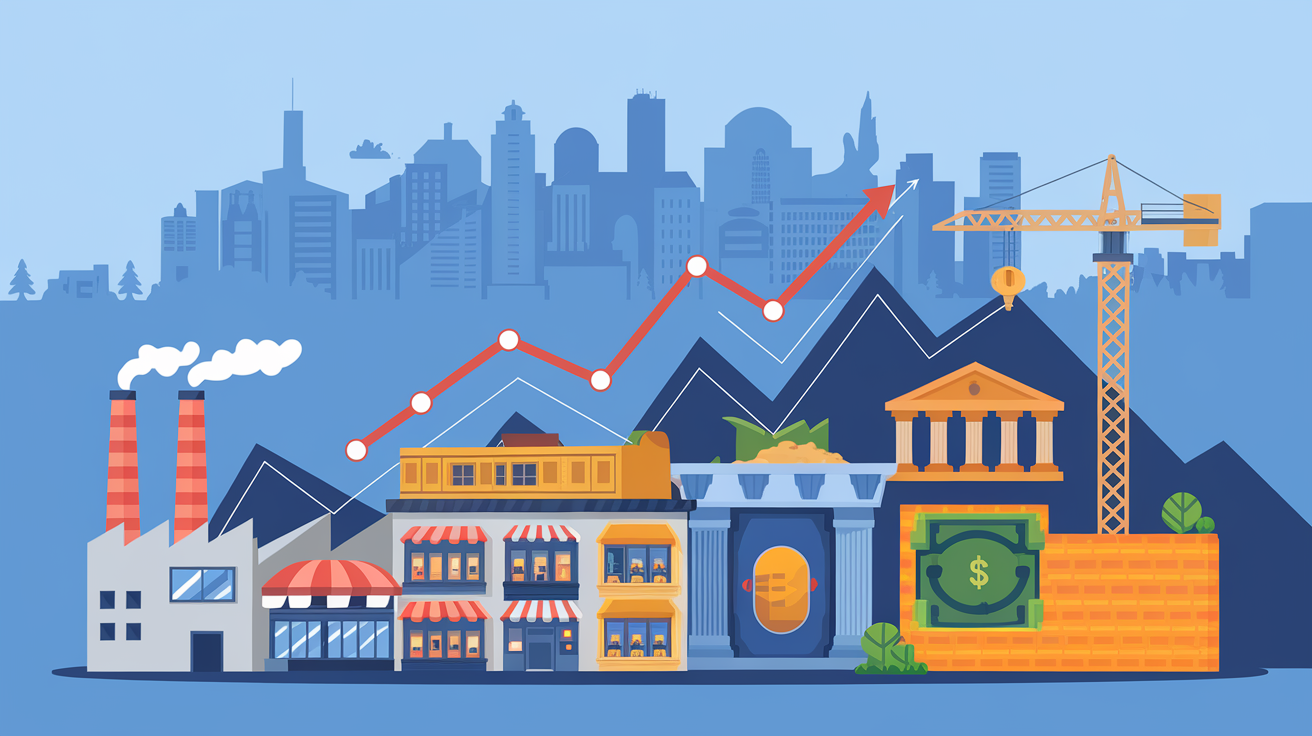
The knowledge economy focuses on creating, sharing, and using knowledge to boost economic productivity and growth. Unlike traditional economies that rely heavily on physical goods or manual labor, this economy values ideas, expertise, and technology.
It emphasizes intellectual assets such as research, innovation, and skilled human capital. Businesses and countries that invest in knowledge tend to have competitive advantages in global markets.
Key Features of the Knowledge Economy
- Intellectual Capital:
The main asset is knowledge, skills, and innovation rather than physical products.
- Technology-Driven:
Advances in IT and communication enable faster knowledge sharing and collaboration.
- Continuous Learning:
Education and training are vital to keep up with rapid changes and new ideas.
- Innovation Focus:
New products, services, and processes emerge from research and creativity.
- Global Connectivity:
Knowledge flows across borders, linking people and businesses worldwide.
How the Knowledge Economy Works
In a knowledge economy, companies invest heavily in research and development (R&D) to create new technologies or improve existing ones. Skilled workers use their expertise to solve problems and generate innovative solutions.
Information technology plays a key role by enabling quick access to data and collaboration tools. This helps organizations adapt faster and compete effectively.
Knowledge is created through education, research, and experience.
It is shared via digital platforms, networks, and partnerships.
Applied knowledge leads to new products, services, and business models.
Benefits of a Knowledge Economy
Shifting to a knowledge economy offers several advantages for individuals, businesses, and nations:
- Higher Productivity:
Skilled workers and innovation improve efficiency and output.
- Economic Growth:
New industries and technologies create jobs and wealth.
- Competitive Advantage:
Countries with strong knowledge sectors attract investment and talent.
- Better Quality of Life:
Innovations in healthcare, education, and services enhance living standards.
- Resilience:
Knowledge-based economies adapt better to global changes and disruptions.
Examples of Knowledge Economy Sectors
Several industries exemplify the knowledge economy by relying heavily on intellectual assets and innovation:
- Information Technology:
Software development, cloud computing, and AI.
- Biotechnology:
Medical research, pharmaceuticals, and genetic engineering.
- Financial Services:
Data analytics, fintech, and investment strategies.
- Education and Training:
Online learning platforms and skill development.
- Creative Industries:
Media, design, and digital content creation.
Challenges in the Knowledge Economy
While promising, the knowledge economy also faces challenges you should be aware of:
- Digital Divide:
Unequal access to technology limits opportunities for some groups.
- Skills Gap:
Rapid changes require continuous learning, which not everyone can keep up with.
- Intellectual Property Issues:
Protecting ideas while encouraging sharing is complex.
- Job Displacement:
Automation and AI may replace some traditional roles.
- Privacy and Security:
Managing data responsibly is critical.
How to Thrive in a Knowledge Economy
To succeed in this economy, focus on building your knowledge and skills continuously. Here are some practical steps:
Invest in education and professional development.
Stay updated with technology trends and tools.
Develop critical thinking and problem-solving abilities.
Network and collaborate with experts in your field.
Be adaptable and open to lifelong learning.
Conclusion
The knowledge economy is reshaping how we work, create value, and compete globally. It places knowledge and innovation at the center of economic success.
By understanding its features and challenges, you can better prepare yourself to leverage opportunities and build a future-proof career or business. Embracing continuous learning and technology will keep you ahead in this dynamic landscape.
What drives the knowledge economy?
The knowledge economy is driven by intellectual capital, technology, innovation, and skilled human resources that create and apply knowledge for economic growth.
How does technology impact the knowledge economy?
Technology enables faster knowledge sharing, collaboration, and innovation, making it easier for businesses to develop new products and services.
What sectors benefit most from the knowledge economy?
Information technology, biotechnology, financial services, education, and creative industries are key sectors benefiting from the knowledge economy.
What are common challenges in a knowledge economy?
Challenges include the digital divide, skills gaps, intellectual property concerns, job displacement, and data privacy issues.
How can individuals succeed in a knowledge economy?
Individuals should focus on lifelong learning, skill development, staying updated with technology, and networking to thrive in a knowledge economy.