What is Law of Supply and Demand?
Understand the Law of Supply and Demand, how it shapes markets, affects prices, and guides smart financial decisions.
Introduction
You’ve probably heard the phrase “law of supply and demand” in conversations about prices and markets. But what does it really mean? Understanding this fundamental economic principle can help you make smarter financial and investment choices.
In this article, we’ll break down the law of supply and demand in simple terms. You’ll learn how it works, why it matters, and how it influences everyday buying and selling.
What is the Law of Supply and Demand?
The law of supply and demand is a basic economic concept that explains how prices are determined in a market. It shows the relationship between the availability of a product (supply) and the desire for that product (demand).
When demand for something goes up but supply stays the same, prices tend to rise. Conversely, if supply increases but demand stays steady, prices usually fall. This balance helps markets decide what things cost.
Supply Explained
Supply refers to how much of a product or service sellers are willing and able to offer at different prices. Generally, suppliers want to sell more when prices are higher because they can make more profit.
Higher prices encourage producers to increase production.
Lower prices might cause producers to reduce output.
Supply curves typically slope upward, showing this positive relationship.
Demand Explained
Demand is how much consumers want a product and are willing to pay for it. Usually, people buy more when prices are lower and less when prices rise.
Demand curves slope downward, reflecting that lower prices increase quantity demanded.
Factors like income, tastes, and prices of related goods also affect demand.
Demand shows consumers’ willingness and ability to purchase.
How Supply and Demand Work Together
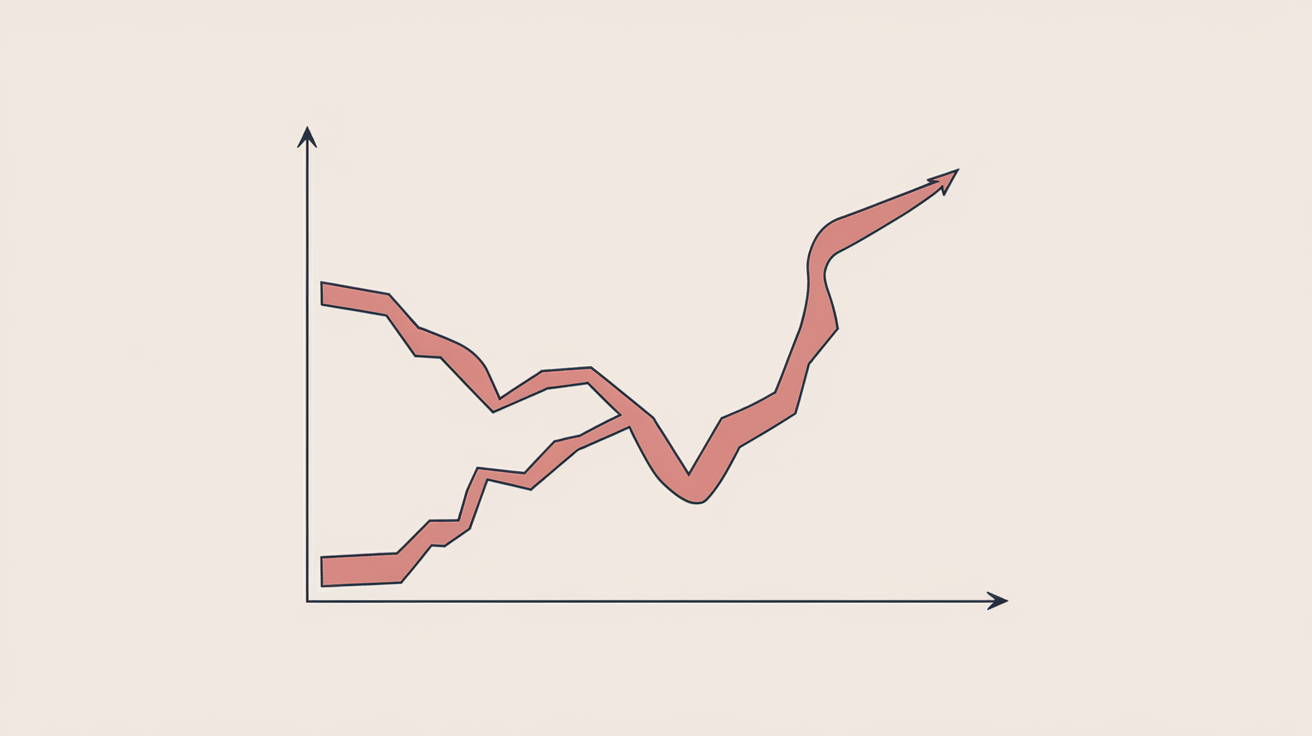
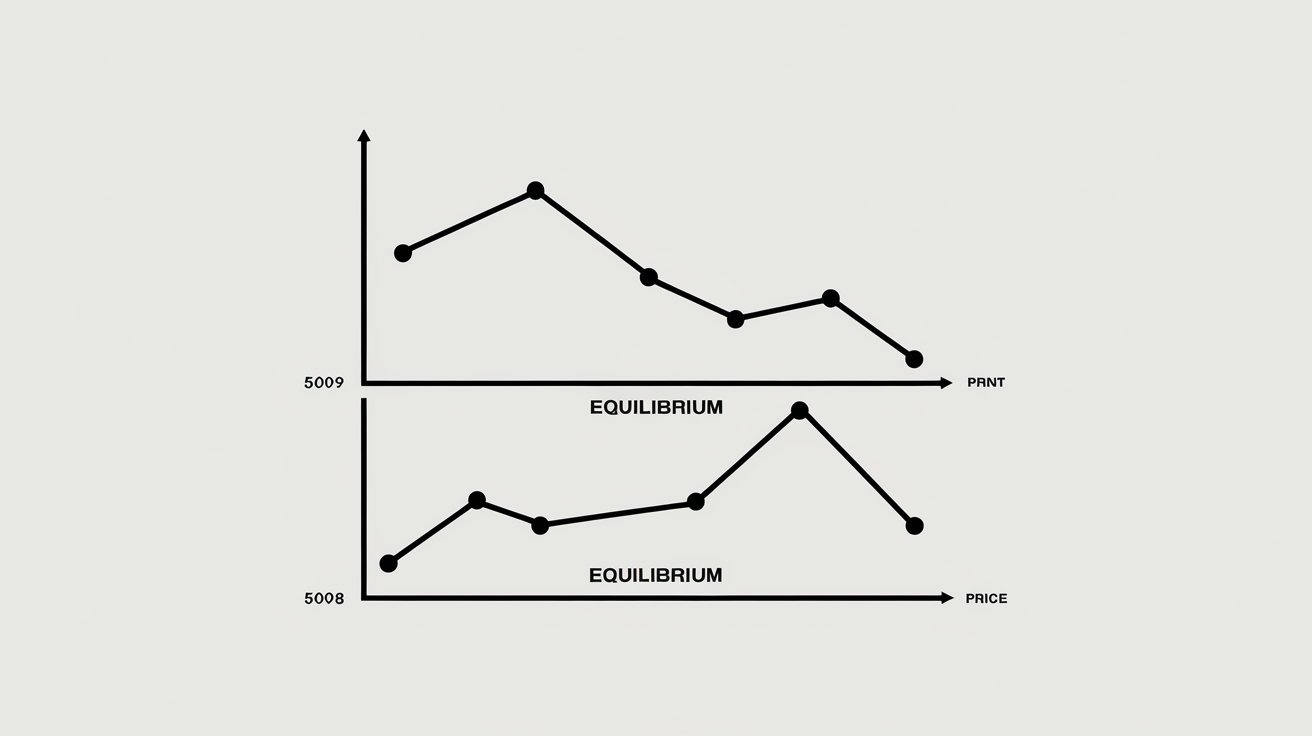
The interaction of supply and demand determines the market price and quantity sold. This point where supply equals demand is called the equilibrium.
If price is above equilibrium, supply exceeds demand, leading to surplus and price drops.
If price is below equilibrium, demand exceeds supply, causing shortages and price increases.
Markets naturally move toward this balance over time.
Understanding this helps you predict how prices might change when market conditions shift.
Real-World Examples of Supply and Demand
Let’s look at some everyday examples to see how this law works in practice.
- Gasoline Prices:
When oil supply drops due to geopolitical issues, gasoline prices rise because demand stays steady or grows.
- Smartphones:
New models often have high demand but limited supply at launch, causing higher prices initially.
- Housing Market:
If many people want to buy homes but there aren’t enough houses, prices increase.
Why the Law of Supply and Demand Matters for You
Knowing this law can help you make better financial decisions. Whether you’re investing, shopping, or planning a business, understanding supply and demand gives you an edge.
You can anticipate price changes based on market trends.
It helps you spot good investment opportunities when supply or demand shifts.
Businesses can adjust production and pricing strategies effectively.
Factors That Shift Supply and Demand
Several things can change supply or demand, moving the equilibrium price and quantity.
Factors Affecting Supply
Production costs: Higher costs reduce supply.
Technology: Advances can increase supply by lowering costs.
Government policies: Taxes or subsidies impact supply levels.
Natural events: Disasters can disrupt supply chains.
Factors Affecting Demand
Income changes: More income usually increases demand.
Consumer preferences: Trends can boost or reduce demand.
Prices of related goods: Substitutes and complements affect demand.
Expectations: If buyers expect prices to rise, demand may increase now.
Limitations of the Law of Supply and Demand
While powerful, this law doesn’t explain everything. Some markets don’t follow it perfectly due to:
Government controls like price ceilings or floors.
Monopolies where one seller controls supply.
Non-price factors like brand loyalty or regulations.
External shocks that disrupt normal market behavior.
Still, it remains a key tool for understanding most market dynamics.
Conclusion
The law of supply and demand is a cornerstone of economics that explains how prices and quantities are set in markets. By balancing what sellers offer and what buyers want, it helps markets reach equilibrium.
Knowing this law empowers you to better understand price changes, make smarter investments, and navigate financial decisions with confidence. It’s a simple idea with huge impact on everyday life and the economy.
FAQs
What happens when demand exceeds supply?
When demand exceeds supply, there is a shortage. Prices usually rise as buyers compete for limited goods, encouraging producers to increase supply or new sellers to enter the market.
How does technology affect supply?
Technology can lower production costs and improve efficiency, increasing supply. This often leads to lower prices and greater availability of products.
Can government policies impact supply and demand?
Yes, taxes, subsidies, price controls, and regulations can shift supply or demand by making production more expensive or changing consumer behavior.
What is market equilibrium?
Market equilibrium is the price and quantity where supply equals demand. At this point, there is no shortage or surplus, and the market is stable.
Why might the law of supply and demand not always apply?
In cases like monopolies, government intervention, or external shocks, prices and quantities may not follow normal supply and demand patterns.