What is Inflationary Gap in Macroeconomics?
Understand the inflationary gap in macroeconomics, its causes, effects, and how it impacts economic policy and growth.
Introduction
When the economy grows too fast, it can lead to a problem called an inflationary gap. You might wonder what exactly this means and why it matters. In simple terms, an inflationary gap happens when demand in the economy exceeds what the economy can produce at full capacity.
We’ll explore what causes this gap, how it affects prices and employment, and what governments do to manage it. By understanding this concept, you can better grasp how economic policies aim to keep growth steady and inflation in check.
What is an Inflationary Gap?
An inflationary gap occurs when aggregate demand (total spending by consumers, businesses, and the government) is higher than the economy’s potential output at full employment. This means the economy is producing beyond its sustainable capacity.
Because demand outstrips supply, prices tend to rise, causing inflation. The gap shows that the economy is overheating, which can be risky if it continues unchecked.
- Aggregate Demand (AD):
Total demand for goods and services.
- Potential Output:
The maximum output an economy can produce without causing inflation.
- Full Employment:
When all available labor resources are being used efficiently.
Causes of Inflationary Gap
Several factors can push aggregate demand above the economy’s potential output, creating an inflationary gap:
- Increased Consumer Spending:
When people have more income or confidence, they spend more.
- Government Spending:
Large public projects or stimulus can boost demand sharply.
- Business Investment:
High optimism can lead companies to invest heavily.
- Expansionary Monetary Policy:
Lower interest rates encourage borrowing and spending.
- Exports Rise:
Strong demand from other countries increases production pressure.
Effects of an Inflationary Gap
When an inflationary gap exists, the economy faces several consequences:
- Rising Prices:
Demand-pull inflation pushes prices higher.
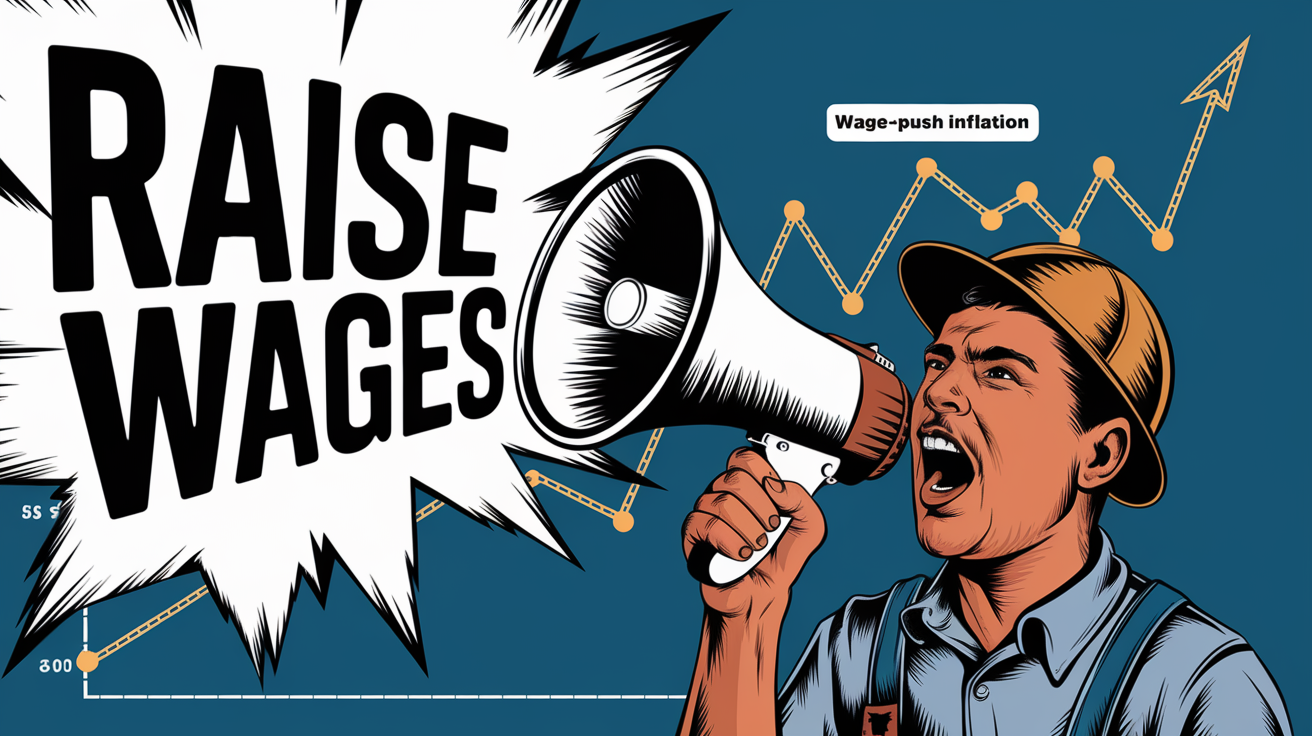
- Wage Pressure:
Labor shortages can increase wages, adding to inflation.
- Resource Overuse:
Factories and workers may be overworked, risking long-term damage.
- Interest Rate Hikes:
Central banks may raise rates to cool demand.
- Potential Asset Bubbles:
Excess money chasing limited goods can inflate prices of assets like real estate.
How Governments and Central Banks Respond
To manage an inflationary gap, policymakers use several tools to reduce demand and stabilize prices:
- Monetary Policy:
Raising interest rates to make borrowing more expensive and reduce spending.
- Fiscal Policy:
Cutting government spending or increasing taxes to lower overall demand.
- Supply-Side Measures:
Improving productivity to increase potential output and ease pressure.
These actions aim to bring aggregate demand back in line with the economy’s capacity, preventing runaway inflation.
Inflationary Gap vs. Recessionary Gap
It’s helpful to compare the inflationary gap with its opposite, the recessionary gap. While an inflationary gap means demand is too high, a recessionary gap occurs when demand is too low, and the economy produces below its potential.
- Inflationary Gap:
Demand > Potential Output → Inflation risk.
- Recessionary Gap:
Demand < Potential Output → Unemployment risk.
Understanding both helps policymakers decide whether to stimulate or cool the economy.
Real-World Examples of Inflationary Gaps
History offers examples where inflationary gaps appeared:
- Post-War Booms:
After major wars, economies often surged, causing demand to exceed supply temporarily.
- 1970s Oil Crisis:
Some countries faced inflationary gaps due to rapid spending combined with supply shocks.
- Recent Stimulus Measures:
Large government spending during economic recovery phases can create short-term inflationary gaps.
These examples show how inflationary gaps can arise from various economic conditions.
Conclusion
In macroeconomics, the inflationary gap signals when an economy’s demand outpaces its ability to produce goods and services at full employment. This gap leads to inflation and can cause economic instability if not managed properly.
By understanding the causes and effects of an inflationary gap, you can see why governments and central banks carefully monitor economic indicators. Their goal is to keep growth balanced, ensuring prices remain stable and the economy stays healthy over the long term.
What is an inflationary gap in simple terms?
An inflationary gap happens when total demand in the economy is higher than what it can produce at full capacity, causing prices to rise.
How does an inflationary gap affect inflation?
Because demand exceeds supply, prices increase, leading to demand-pull inflation during an inflationary gap.
What causes an inflationary gap?
It can be caused by increased consumer spending, government stimulus, business investments, low interest rates, or rising exports.
How do central banks respond to an inflationary gap?
Central banks often raise interest rates to reduce borrowing and spending, aiming to cool down the economy and control inflation.
What is the difference between inflationary and recessionary gaps?
An inflationary gap means demand is too high causing inflation, while a recessionary gap means demand is too low causing unemployment.