What is Plutocracy in Political Economy?
Explore what plutocracy means in political economy, its impact on governance, and how wealth influences power in society.
Introduction
Understanding plutocracy is key to grasping how wealth shapes political power. In political economy, plutocracy refers to a system where the wealthy hold significant control over government decisions.
Your influence as a citizen depends on how power is distributed. We’ll explore how plutocracy works, its effects on society, and why it matters to you.
What is Plutocracy?
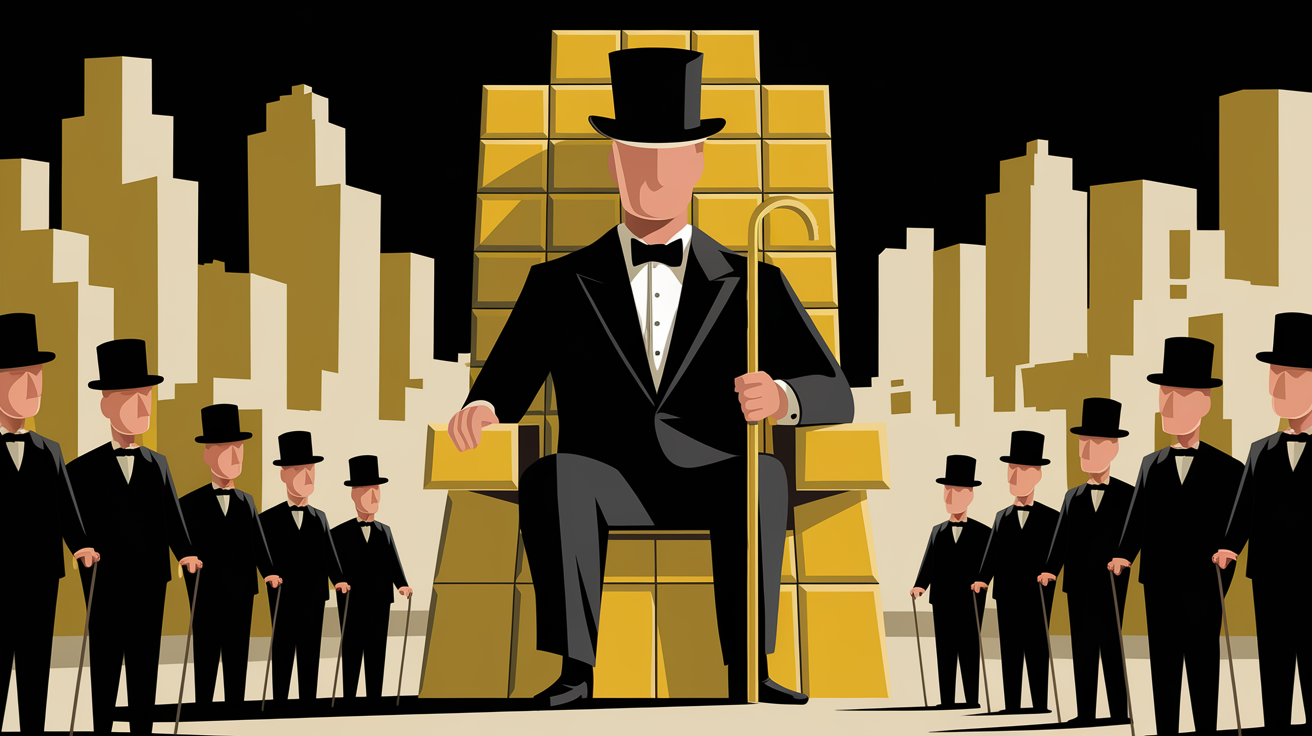
Plutocracy literally means "rule by the wealthy." It describes a political system where rich individuals or groups dominate decision-making processes.
This control often comes from their economic resources, which they use to influence laws, policies, and leadership choices.
Wealthy elites fund political campaigns and lobby for favorable laws.
They may own media outlets to shape public opinion.
Economic power translates into political leverage.
How Plutocracy Differs from Other Systems
Unlike democracy, where power is supposed to be equal among citizens, plutocracy concentrates power in the hands of the rich.
It differs from oligarchy, which is rule by a small group, but in plutocracy, wealth is the key factor defining that group.
Democracy: Power distributed broadly, ideally equally.
Oligarchy: Power held by a few, not necessarily wealthy.
Plutocracy: Power held by the wealthy elite.
Historical Examples of Plutocracy
Throughout history, many societies have shown plutocratic traits where wealth dictated political influence.
Ancient Rome: Wealthy patricians controlled the Senate and political offices.
Gilded Age America: Industrial magnates influenced government policies heavily.
Modern examples: Some argue that certain countries today exhibit plutocratic tendencies through campaign financing and lobbying.
Impact of Plutocracy on Society
When wealth controls politics, policies often favor the rich, widening inequality.
This can lead to reduced social mobility and weakened democratic institutions.
Tax laws may benefit the wealthy disproportionately.
Public services might be underfunded as priorities shift.
Political corruption risks increase as money buys influence.
How Plutocracy Affects Economic Policy
Economic policies in plutocratic systems often prioritize capital accumulation for the rich.
This can affect labor laws, trade policies, and social welfare programs.
Lower taxes on high incomes and capital gains.
Weaker labor protections to reduce business costs.
Reduced funding for social safety nets.
Signs of Plutocracy in Modern Politics
You can spot plutocratic influences by observing certain political trends.
High campaign costs limiting candidate diversity.
Lobbying by wealthy corporations shaping legislation.
Media ownership concentrated among rich individuals.
Can Plutocracy Coexist with Democracy?
While democracy aims for equal political participation, plutocracy challenges this ideal.
Some argue that modern democracies have plutocratic elements, where money influences elections and policies.
Campaign finance reforms attempt to limit wealthy influence.
Transparency laws seek to expose lobbying activities.
Citizen activism pushes back against money-driven politics.
Ways to Counter Plutocratic Influence
Reducing plutocracy’s impact requires systemic changes and active citizen engagement.
Implement strict campaign finance laws.
Promote public funding for elections.
Increase transparency in political donations.
Support independent media and civic education.
Conclusion
Plutocracy highlights how wealth can shape political power and influence economic policies. Recognizing its presence helps you understand challenges in achieving true democratic governance.
By staying informed and supporting reforms, you can play a role in ensuring political systems serve all citizens, not just the wealthy few.
What is the main characteristic of a plutocracy?
A plutocracy is mainly characterized by political power being held by the wealthy, who use their economic resources to influence government decisions.
How does plutocracy differ from oligarchy?
Plutocracy is rule by the wealthy, while oligarchy is rule by a small group, which may or may not be wealthy.
Can a democracy have plutocratic elements?
Yes, many modern democracies show plutocratic traits when money heavily influences elections and policymaking.
What are common effects of plutocracy on society?
Plutocracy often leads to increased inequality, favoritism in policies for the rich, and weakened democratic institutions.
How can citizens reduce plutocratic influence?
Citizens can support campaign finance reform, transparency laws, independent media, and civic education to limit plutocratic power.