What is Cost-Push Inflation in Macroeconomics?
Understand cost-push inflation in macroeconomics, its causes, effects, and how it impacts the economy and your finances.

Introduction
Cost-push inflation is a key concept in macroeconomics that affects the overall price levels in an economy. If you want to understand why prices rise even when demand is steady, this article will guide you through the causes and consequences of cost-push inflation.
We’ll explore how rising production costs push prices up, what triggers these cost increases, and how this type of inflation differs from demand-pull inflation. By the end, you’ll have a clear picture of how cost-push inflation influences economic decisions and your financial planning.
What is Cost-Push Inflation?
Cost-push inflation happens when the overall price level rises because the costs of production increase. This means businesses face higher expenses for things like raw materials, wages, or energy, and they pass these costs on to consumers through higher prices.
Unlike demand-pull inflation, which is driven by increased consumer demand, cost-push inflation starts on the supply side. When producing goods and services becomes more expensive, companies adjust prices to maintain profits.
Key Causes of Cost-Push Inflation
- Rising wages:
When workers demand higher pay, production costs increase.
- Higher raw material prices:
Increases in prices for oil, metals, or food can raise costs.
- Supply chain disruptions:
Delays or shortages can push input costs up.
- Increased taxes or regulations:
New government policies can add to business expenses.
- Currency depreciation:
A weaker currency makes imported goods costlier.
How Cost-Push Inflation Affects the Economy
Cost-push inflation can slow economic growth because higher prices reduce consumers’ purchasing power. When essentials like fuel or food become more expensive, people may cut back on other spending.
Businesses also face challenges. Some may reduce output or delay investments due to rising costs. This can lead to lower employment or slower wage growth, creating a tricky situation for policymakers.
Stagflation: A Dangerous Mix
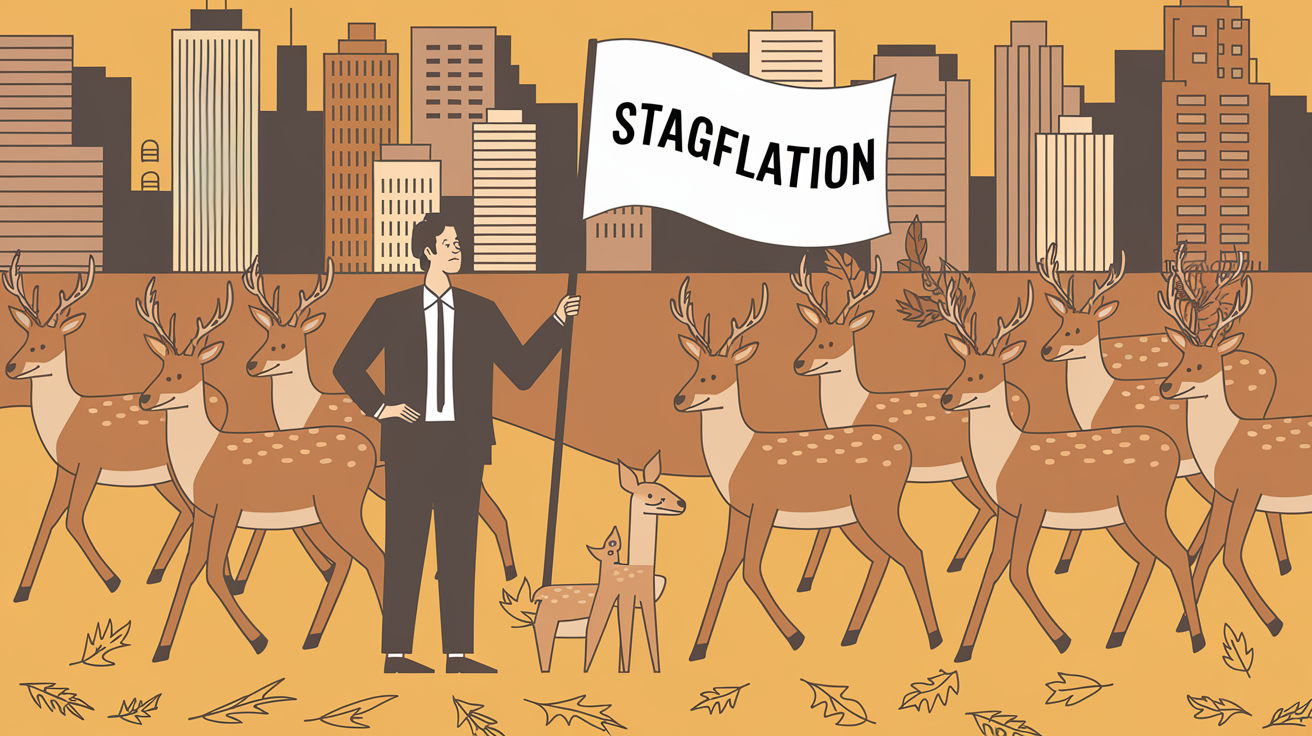
Cost-push inflation can contribute to stagflation, a period of stagnant economic growth combined with high inflation. This is tough to manage because traditional tools to fight inflation, like raising interest rates, can further slow growth.
Examples of Cost-Push Inflation
Historical events show how cost-push inflation works in real life. For example, the 1970s oil shocks caused crude oil prices to soar, pushing production costs higher worldwide.
More recently, supply chain disruptions during global crises have increased costs for many goods. These examples highlight how external shocks to supply can trigger cost-push inflation.
How to Protect Yourself from Cost-Push Inflation
- Diversify investments:
Include assets that perform well during inflation, like commodities or inflation-protected bonds.
- Monitor wage growth:
Seek opportunities to increase your income alongside rising costs.
- Control expenses:
Budget carefully to adjust for higher prices on essentials.
- Stay informed:
Watch economic indicators and policy changes that affect inflation.
Cost-Push Inflation vs. Demand-Pull Inflation
It’s important to distinguish cost-push inflation from demand-pull inflation. Demand-pull inflation happens when consumer demand outpaces supply, pushing prices up.
Cost-push inflation, on the other hand, starts with rising production costs, not demand. Both types can occur simultaneously, complicating economic responses.
Differences at a Glance
- Cause:
Cost-push stems from supply-side shocks; demand-pull comes from increased demand.
- Effect on output:
Cost-push may reduce output; demand-pull usually increases it.
- Policy response:
Cost-push inflation is harder to control with monetary policy alone.
Policy Challenges with Cost-Push Inflation
Governments and central banks face tough choices when dealing with cost-push inflation. Raising interest rates can reduce demand but may worsen unemployment and slow growth.
Sometimes, supply-side policies like improving infrastructure or reducing regulations help lower production costs. However, these take time to impact the economy.
Balancing Inflation and Growth
Policymakers must carefully balance controlling inflation without stifling economic recovery. This often requires a mix of monetary, fiscal, and structural measures.
Conclusion
Cost-push inflation is a crucial concept to understand because it explains why prices can rise even when demand is stable. Rising production costs from wages, materials, or supply issues push prices higher, affecting consumers and businesses alike.
Recognizing the causes and effects of cost-push inflation helps you make smarter financial decisions. Whether budgeting for higher expenses or adjusting investments, understanding this inflation type prepares you for economic ups and downs.
FAQs
What triggers cost-push inflation?
Cost-push inflation is triggered by rising production costs such as higher wages, raw material prices, supply chain issues, or increased taxes.
How is cost-push inflation different from demand-pull inflation?
Cost-push inflation comes from supply-side cost increases, while demand-pull inflation results from higher consumer demand exceeding supply.
Can cost-push inflation cause stagflation?
Yes, cost-push inflation can contribute to stagflation, where inflation rises alongside stagnant economic growth and high unemployment.
How do governments respond to cost-push inflation?
Governments may use supply-side policies and cautious monetary measures to balance inflation control without harming growth.
How can I protect my finances from cost-push inflation?
Diversify investments, increase income where possible, control expenses, and stay informed about economic trends to manage cost-push inflation effects.