What is Political Economy? Key Concepts Explained
Explore what political economy is, its key concepts, and how it shapes the relationship between politics and economics worldwide.
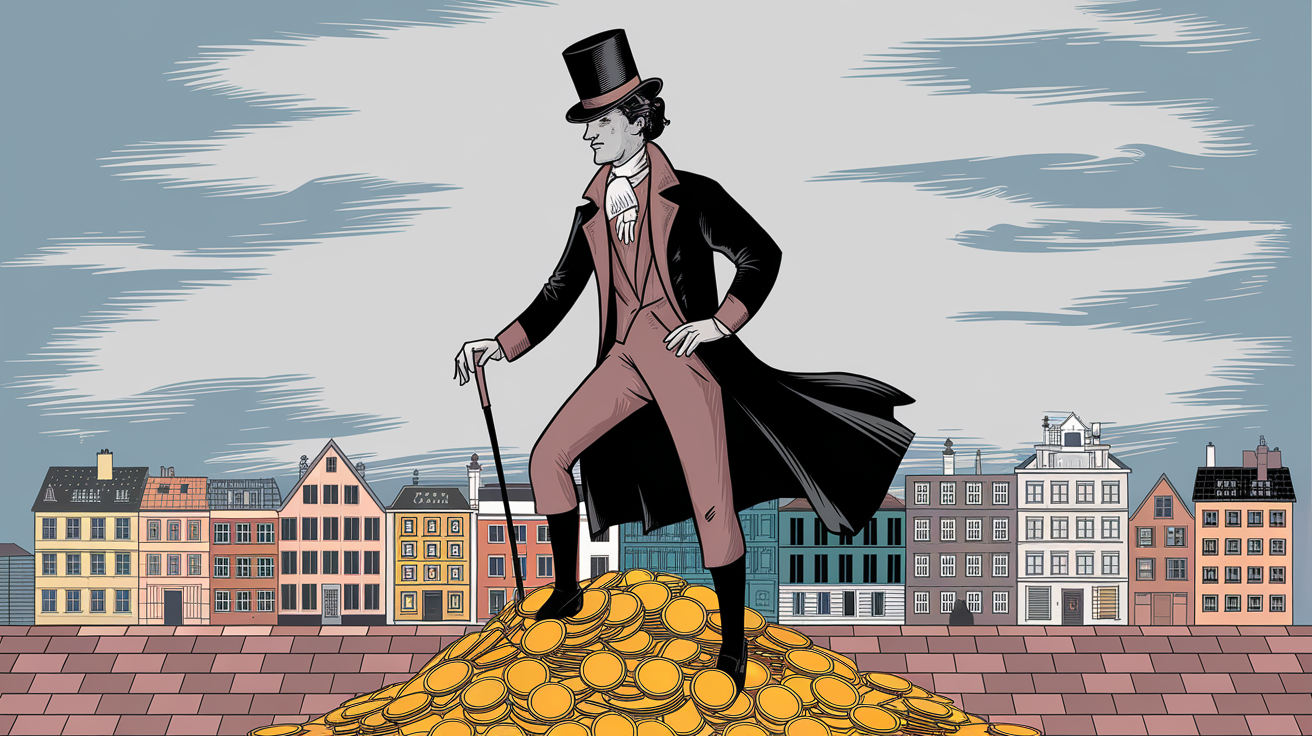
Introduction to Political EconomyUnderstanding political economy helps you see how politics and economics influence each other. It looks at how governments, laws, and economic systems work together to shape societies. Whether you’re a student or just curious, knowing political economy gives you a clearer view of global issues.In this article, we’ll break down what political economy means, its main ideas, and why it matters today. You’ll learn how politics affects economic decisions and how economics can influence political power.
What Is Political Economy?
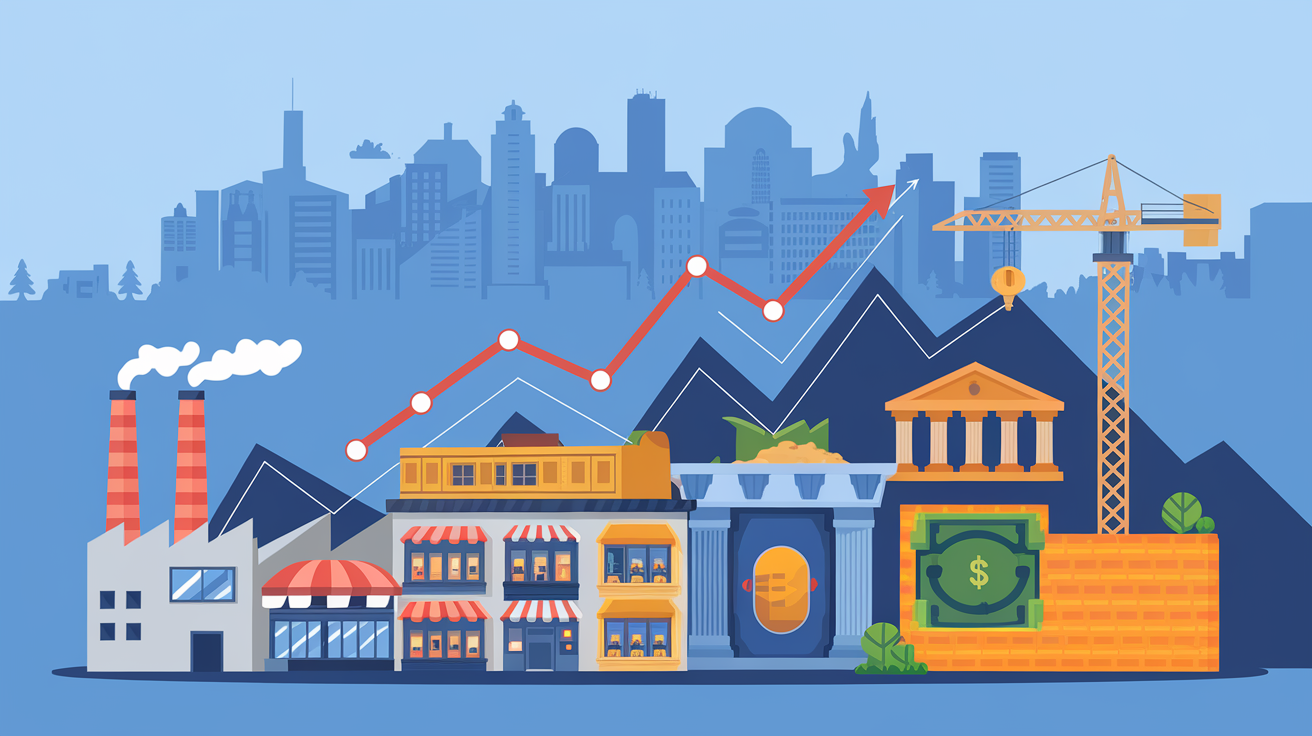
Political economy studies the interaction between political forces and economic systems. It examines how policies, laws, and government actions impact economic behavior and outcomes. This field combines insights from economics, political science, and sociology to understand real-world problems.
At its core, political economy asks questions like:
How do governments influence markets and trade?
What role do institutions play in economic growth?
How do political interests shape economic policies?
Historical Background of Political Economy
The term "political economy" dates back to the 18th century when thinkers like Adam Smith explored how nations create wealth. Early political economists focused on how governments could manage resources and trade to benefit society.
Over time, the field evolved to include different approaches, such as Marxism, which critiques capitalism, and institutional economics, which studies the role of laws and norms. Today, political economy covers a broad range of topics, from globalization to welfare policies.
Key Concepts in Political Economy
1. Markets and Government
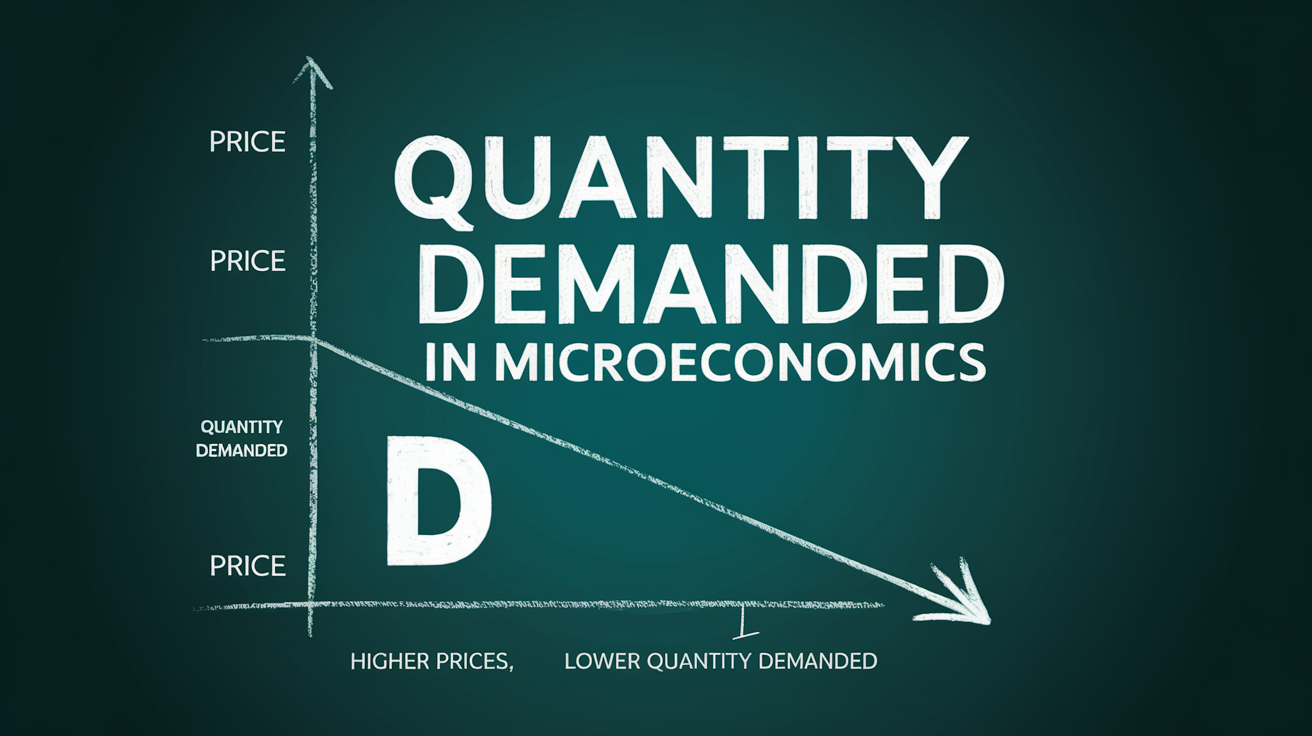
Political economy studies the balance between free markets and government intervention. Markets allocate resources through supply and demand, but governments regulate to correct failures or promote fairness.
Examples include taxes, subsidies, and trade tariffs.
Government policies can encourage or restrict business activities.
2. Institutions and Rules
Institutions like courts, legislatures, and central banks create the rules for economic activity. Political economy looks at how these institutions develop and how they affect economic performance.
Strong institutions often lead to stable economies.
Weak institutions can cause corruption and inefficiency.
3. Power and Interests
Political economy recognizes that economic policies reflect the interests of powerful groups. Lobbying, political parties, and social movements all influence decisions that affect wealth distribution.
Understanding power dynamics helps explain policy outcomes.
It reveals why some groups benefit more than others.
Why Political Economy Matters Today
In a globalized world, political economy helps explain issues like trade wars, inequality, and climate policy. It shows how political decisions impact economic growth and social welfare.
For example, debates over tariffs or tax reforms are not just economic but political struggles. Knowing political economy helps you understand these debates and their consequences.
How to Study Political Economy
If you want to dive deeper, start by exploring these areas:
Comparative political economy: Comparing different countries’ systems.
International political economy: How global politics affect trade and finance.
Public choice theory: How political incentives shape policy decisions.
Reading works by scholars like Adam Smith, Karl Marx, and modern economists can also provide valuable insights.
Conclusion
Political economy is a vital field that connects politics and economics to explain how societies function. It helps you understand the forces behind policies and economic outcomes.
By learning about political economy, you gain tools to analyze current events and make informed decisions about economic and political issues. This knowledge is essential for anyone interested in how the world works.
FAQs
What is the main focus of political economy?
Political economy focuses on how political institutions, laws, and government actions influence economic systems and outcomes.
How does political economy differ from economics?
While economics studies markets and resource allocation, political economy includes the political and social factors that affect economic decisions.
Who are some key thinkers in political economy?
Important figures include Adam Smith, Karl Marx, John Maynard Keynes, and contemporary scholars studying institutions and globalization.
Why is political economy important for understanding global issues?
It explains how political decisions impact trade, development, inequality, and environmental policies worldwide.
Can political economy help in making better policy decisions?
Yes, it provides insights into the effects of policies and helps identify the interests and power dynamics behind them.