What is Full Employment in Macroeconomics?
Explore the concept of full employment in macroeconomics, its significance, types, and how it impacts economic growth and policy decisions.
Introduction
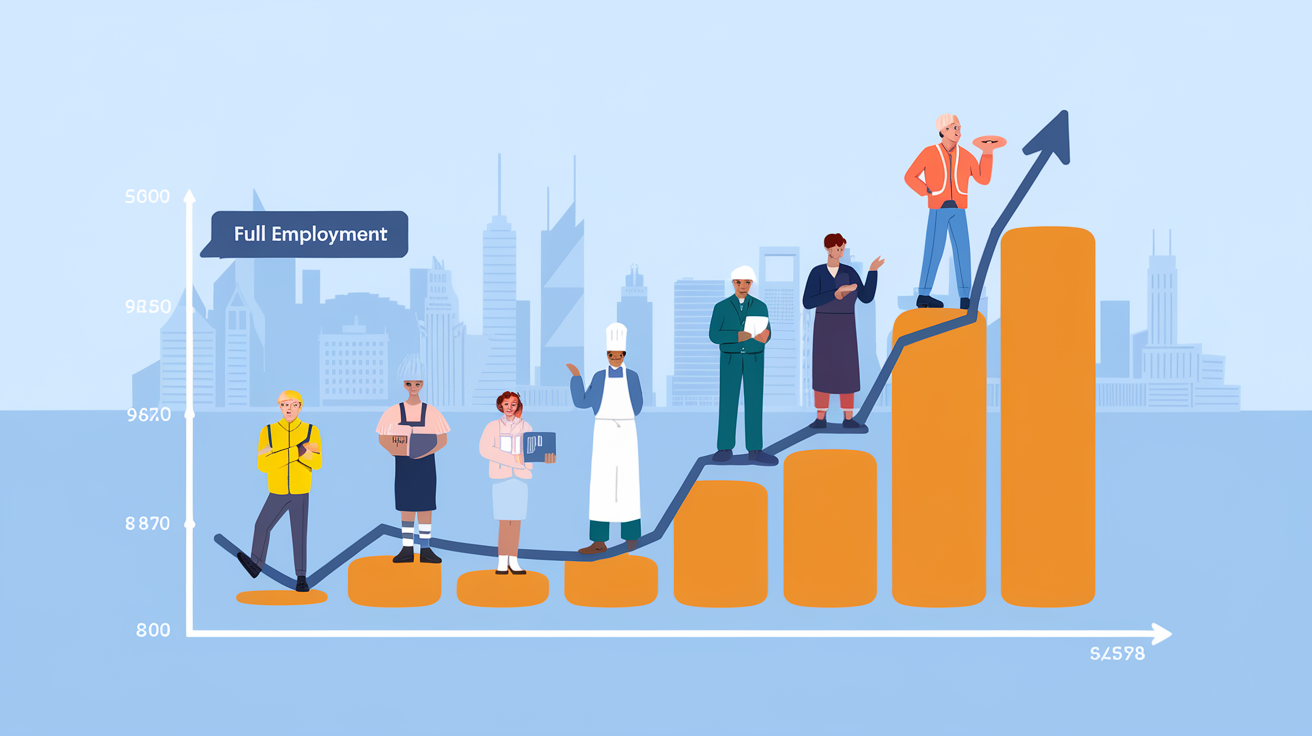
Understanding full employment is key to grasping how economies function at their best. When an economy reaches full employment, it means almost everyone willing and able to work can find a job. This concept is crucial for policymakers and economists aiming to maintain stable growth and low inflation.
In this article, we'll explore what full employment means in macroeconomics, its different forms, and why it matters for economic health. You'll also learn how it influences government policies and everyday life.
What is Full Employment?
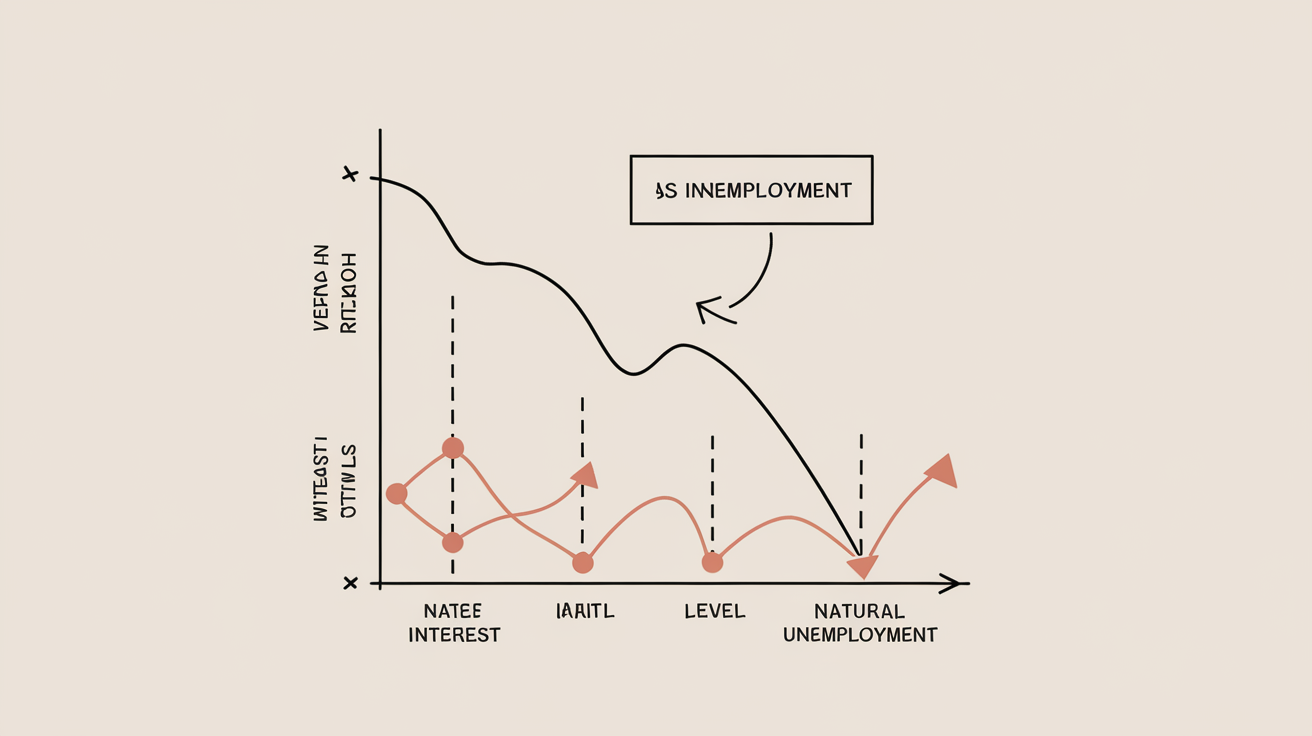
Full employment occurs when all available labor resources are being used in the most efficient way possible. It does not mean zero unemployment but rather the lowest level of unemployment that an economy can sustain without causing inflation.
This level is often called the natural rate of unemployment, which includes frictional and structural unemployment but excludes cyclical unemployment caused by economic downturns.
- Frictional unemployment:
Short-term joblessness as people switch jobs or enter the workforce.
- Structural unemployment:
Mismatch between workers' skills and job requirements.
- Cyclical unemployment:
Job losses due to economic recessions.
Types of Unemployment Included in Full Employment
At full employment, the economy experiences only frictional and structural unemployment. These types are natural and unavoidable in a dynamic economy.
- Frictional Unemployment:
Happens when workers are between jobs or searching for new opportunities.
- Structural Unemployment:
Results from changes in the economy, like technological advances or shifts in demand, making some skills obsolete.
Because these forms of unemployment are always present, full employment does not mean zero unemployment but a stable, healthy level.
Why Full Employment Matters
Full employment is a sign of a healthy economy. It means resources are being used efficiently, leading to higher production and income.
It reduces poverty by providing more people with income.
It helps maintain price stability by preventing excessive wage inflation.
It boosts consumer confidence and spending, fueling economic growth.
However, pushing unemployment below the natural rate can cause inflation to rise, which is why policymakers aim for full employment rather than zero unemployment.
How is Full Employment Measured?
Economists use several indicators to estimate full employment:
- Unemployment Rate:
The percentage of the labor force without jobs but actively seeking work.
- Labor Force Participation Rate:
The proportion of working-age people who are employed or actively looking for work.
- Output Gap:
The difference between actual and potential economic output.
When the unemployment rate is close to the natural rate, and the output gap is minimal, the economy is considered to be at full employment.
Policies to Achieve Full Employment
Governments and central banks use various tools to reach or maintain full employment:
- Monetary Policy:
Adjusting interest rates to encourage investment and spending.
- Fiscal Policy:
Using government spending and taxation to stimulate demand.
- Education and Training:
Improving workforce skills to reduce structural unemployment.
- Labor Market Reforms:
Making hiring and firing easier to reduce frictional unemployment.
Challenges in Maintaining Full Employment
Several factors make achieving full employment difficult:
- Economic Shocks:
Sudden changes like recessions or pandemics can increase unemployment.
- Technological Change:
Automation can displace workers faster than they can retrain.
- Globalization:
Competition from abroad can affect domestic jobs.
Policymakers must balance these challenges while avoiding inflation and ensuring sustainable growth.
Conclusion
Full employment is a vital goal in macroeconomics, representing a state where the economy efficiently uses its labor resources. It includes natural unemployment but excludes cyclical joblessness, signaling economic health.
By understanding full employment, you can better appreciate economic policies and their impact on jobs, inflation, and growth. Achieving and maintaining full employment requires careful policy choices and adapting to changing economic conditions.
FAQs
What is the natural rate of unemployment?
The natural rate of unemployment is the level of unemployment when the economy is at full employment, including frictional and structural unemployment but no cyclical unemployment.
Does full employment mean zero unemployment?
No, full employment means the lowest sustainable unemployment rate, accounting for natural job turnover and skill mismatches, not zero unemployment.
How does full employment affect inflation?
When unemployment falls below the natural rate, wages may rise rapidly, causing inflation. Full employment aims to balance low unemployment without triggering high inflation.
What policies help reduce structural unemployment?
Education, vocational training, and labor market reforms help workers adapt to changing job requirements, reducing structural unemployment.
Can full employment be maintained during a recession?
Recessions typically increase cyclical unemployment, making full employment difficult. Stimulus policies are used to restore employment levels after downturns.