What is GNP (Gross National Product)?
Understand Gross National Product (GNP), its calculation, importance, and how it differs from GDP for better economic insights.

Introduction to Gross National Product (GNP)
When you want to understand a country's economic health, Gross National Product (GNP) is a key measure to consider. It tells you the total value of all goods and services produced by the residents of a country, no matter where they are in the world.
In this article, we'll explore what GNP means, how it's calculated, and why it matters for investors, policymakers, and anyone interested in economics.
What is Gross National Product (GNP)?
GNP is the total market value of all final goods and services produced by a country's residents within a specific period, usually a year. It includes income earned by residents abroad but excludes income earned by foreigners within the country.
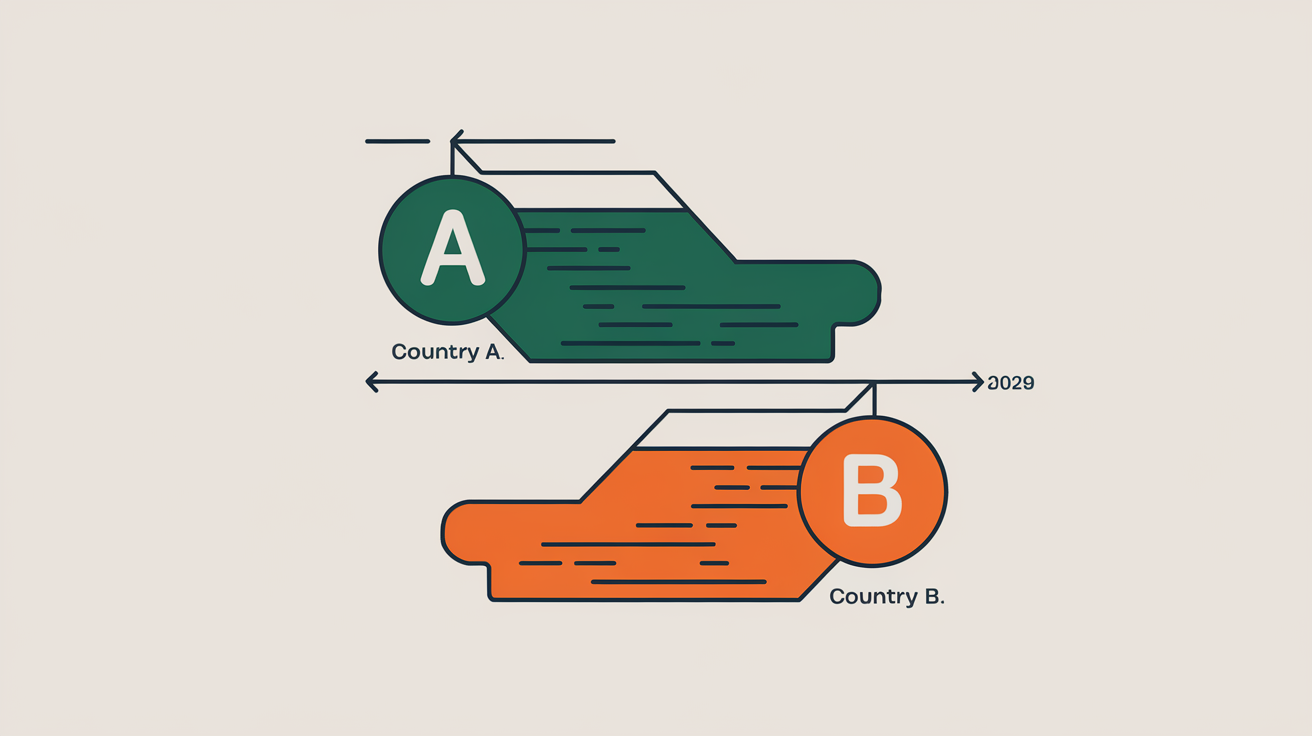
This means GNP focuses on the production and income of nationals, regardless of their location, unlike GDP, which measures production within a country's borders.
Key Components of GNP
- Domestic Production:
Goods and services produced by residents inside the country.
- Net Income from Abroad:
Income residents earn from overseas investments minus income foreigners earn domestically.
How is GNP Calculated?
The formula for GNP is straightforward:
- GNP = GDP + Net income from abroad
Here’s what that means:
- GDP (Gross Domestic Product):
Total value of goods and services produced within the country.
- Net income from abroad:
Income residents earn from foreign sources minus income foreigners earn domestically.
For example, if a country's GDP is $1 trillion and its residents earn $50 billion more from abroad than foreigners earn inside the country, the GNP would be $1.05 trillion.
Why is GNP Important?
GNP offers a broader view of a country's economic strength by including international income. It helps you understand how much wealth residents generate globally.
- Measures National Income:
GNP reflects the total income earned by a nation's residents, useful for assessing living standards.
- Tracks Overseas Investments:
It shows how income from foreign investments impacts the economy.
- Policy Making:
Governments use GNP data to design economic policies that affect citizens' income.
GNP vs. GDP: What’s the Difference?
While both measure economic activity, they focus on different aspects:
- GDP:
Measures value of production within a country’s borders, regardless of who produces it.
- GNP:
Measures value produced by residents of a country, regardless of where they produce it.
For example, if many residents earn income abroad, GNP will be higher than GDP. Conversely, if many foreign companies operate domestically, GDP may be higher than GNP.
Examples of GNP in Practice
Consider a country with many citizens working overseas sending money home. Their earnings increase the country's GNP but not its GDP.
Similarly, multinational companies owned by residents earning profits abroad contribute to GNP but not GDP.
Limitations of GNP
While useful, GNP has some drawbacks:
- Ignores Domestic Production by Foreigners:
It excludes income generated by foreign residents within the country.
- Data Collection Challenges:
Tracking income from abroad can be complex and less accurate.
- Doesn’t Reflect Income Distribution:
High GNP doesn’t mean wealth is shared equally among residents.
Conclusion
Gross National Product is a vital economic indicator that helps you see the bigger picture of a nation's economic activity. By including income earned abroad, it captures the true economic power of a country's residents.
Understanding GNP alongside GDP gives you a clearer view of economic health, helping you make smarter financial and investment decisions.
FAQs about Gross National Product (GNP)
What is the main difference between GNP and GDP?
GNP measures income by residents regardless of location, while GDP measures production within a country’s borders regardless of who produces it.
Why might a country’s GNP be higher than its GDP?
If residents earn significant income from abroad, their GNP will exceed GDP because it includes those foreign earnings.
How does GNP help in economic policy?
GNP shows total income of residents, guiding policies that affect national income, investment, and welfare.
Can GNP reflect the wealth of a country accurately?
GNP reflects total income but doesn’t show how wealth is distributed among residents or account for domestic foreign income.
Is GNP still widely used today?
Many countries use GDP more, but GNP remains important for economies with significant foreign income or overseas investments.