What is Inflation in Macroeconomics?
Understand inflation in macroeconomics, its causes, effects, and how it impacts your financial decisions and the economy.
Introduction
Inflation is a key concept in macroeconomics that affects everyone’s daily life. Whether you’re shopping for groceries or planning long-term investments, understanding inflation helps you make smarter financial choices.
In this article, we’ll explore what inflation means, why it happens, and how it influences the economy and your personal finances. Let’s break down this important topic in simple terms.
What is Inflation?
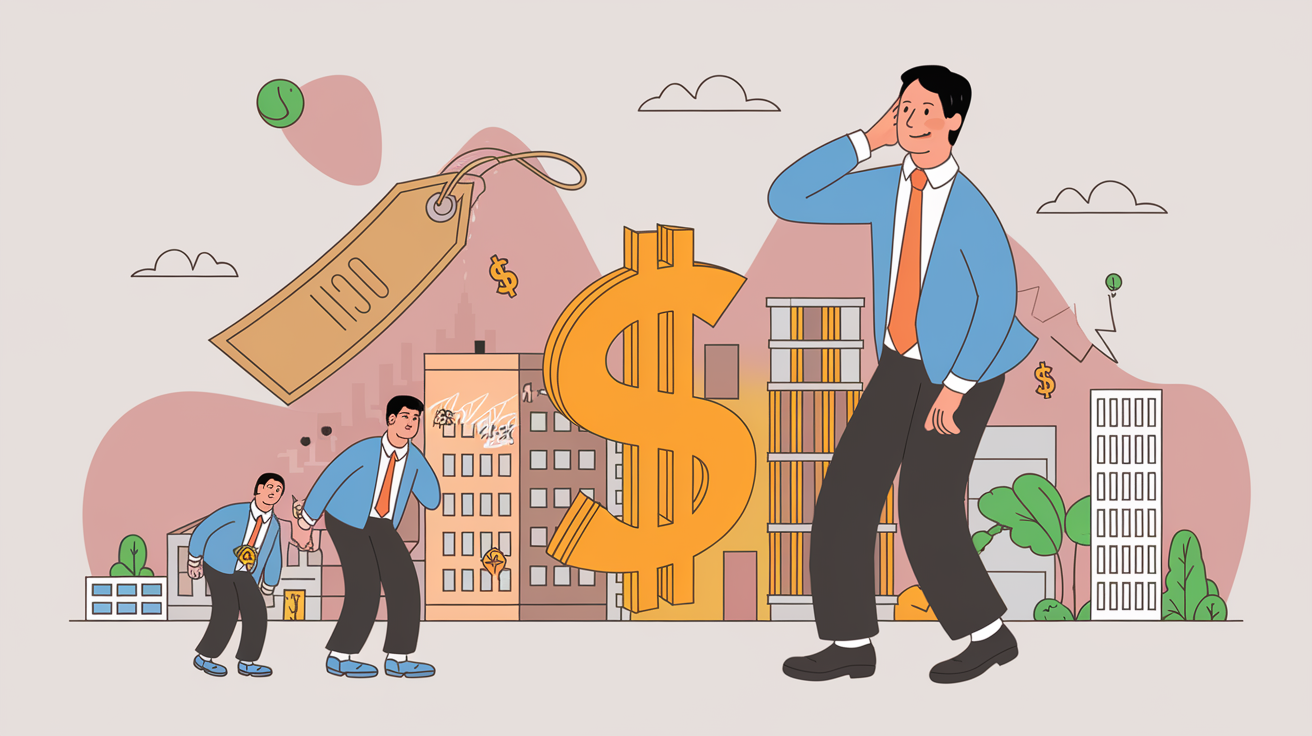
Inflation is the rate at which the general level of prices for goods and services rises over time. When inflation occurs, each unit of currency buys fewer goods and services than before.
Simply put, inflation means your money loses purchasing power. For example, if inflation is 3% annually, something that costs $100 today will cost $103 next year.
Measured by indexes like the Consumer Price Index (CPI)
Expressed as a percentage increase over a period
Reflects average price changes across many products
Causes of Inflation
Inflation can happen for several reasons, often linked to supply and demand or monetary policy. Here are the main causes:
- Demand-pull inflation:
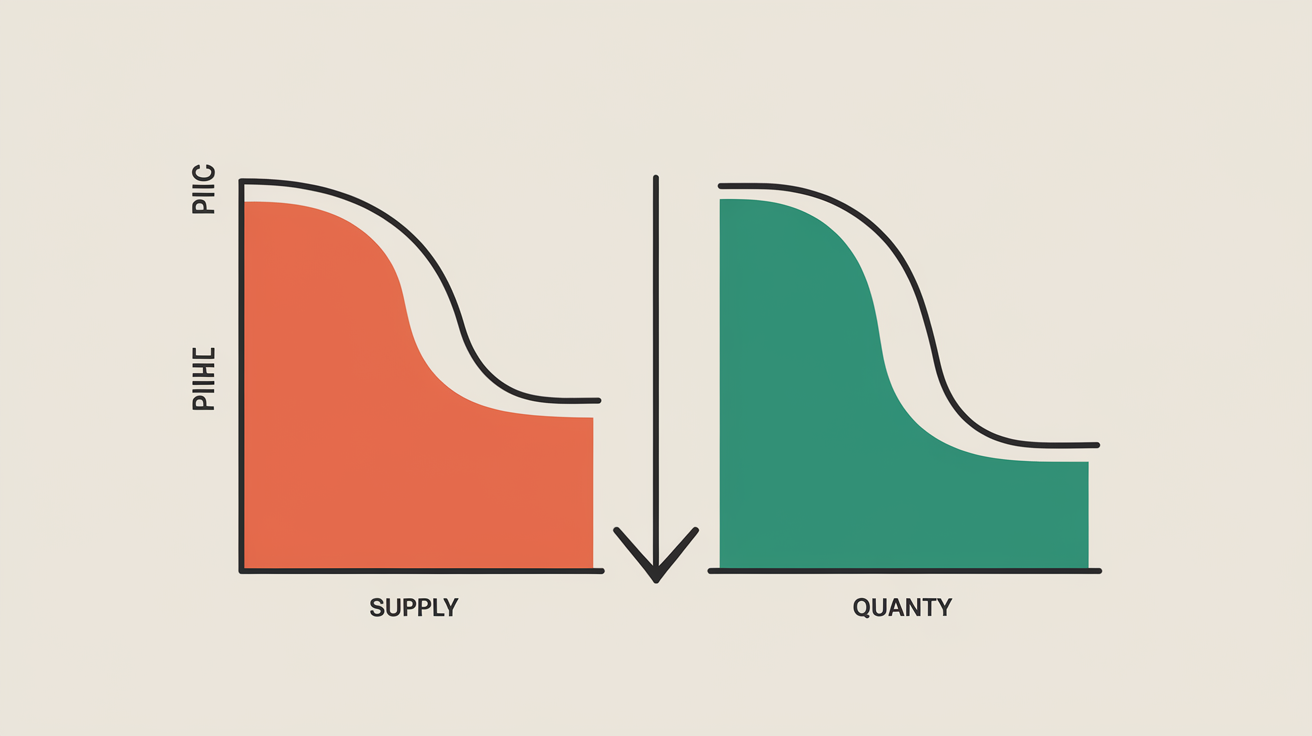
When demand for goods and services exceeds supply, prices rise.
- Cost-push inflation:
Rising production costs, like wages or raw materials, push prices higher.
- Built-in inflation:
Expectations of future inflation lead workers to demand higher wages, increasing costs.
- Monetary inflation:
When central banks increase the money supply too quickly, it can devalue currency and raise prices.
How Inflation is Measured
Governments and economists use several tools to track inflation levels. The most common are:
- Consumer Price Index (CPI):
Measures average price changes for a basket of consumer goods and services.
- Producer Price Index (PPI):
Tracks price changes from the perspective of producers and wholesalers.
- GDP Deflator:
Reflects price changes across the entire economy, including investment and government spending.
These indexes help policymakers decide on interest rates and other economic policies.
Effects of Inflation on the Economy
Inflation impacts the economy in various ways, some positive and others negative.
- Moderate inflation:
Encourages spending and investing rather than hoarding money.
- High inflation:
Can erode purchasing power, reduce savings, and create uncertainty.
- Hyperinflation:
Extremely rapid inflation that can collapse an economy.
- Redistribution of wealth:
Inflation can hurt fixed-income earners but benefit debtors.
Inflation and Your Personal Finances
Understanding inflation helps you protect your money and plan for the future.
- Savings:
Inflation reduces the real value of cash savings if interest rates are lower than inflation.
- Investments:
Stocks, real estate, and inflation-protected securities can help preserve purchasing power.
- Wages:
Ideally, wages should rise with inflation to maintain living standards.
- Debt:
Inflation can reduce the real burden of fixed-rate debt over time.
How Central Banks Control Inflation
Central banks play a crucial role in managing inflation to keep the economy stable.
- Monetary policy:
Adjusting interest rates to influence borrowing and spending.
- Money supply control:
Regulating how much money circulates in the economy.
- Inflation targeting:
Setting specific inflation rate goals, often around 2%, to maintain price stability.
These tools help prevent runaway inflation or deflation, supporting steady economic growth.
Conclusion
Inflation is a natural part of a growing economy but needs careful management. It affects prices, wages, investments, and overall economic health.
By understanding inflation’s causes and effects, you can make better financial decisions and protect your wealth. Keep an eye on inflation trends and adjust your budget, savings, and investments accordingly.
What is the difference between inflation and deflation?
Inflation means rising prices and reduced purchasing power, while deflation is falling prices and increased purchasing power. Both affect economic growth differently.
How does inflation affect interest rates?
Higher inflation usually leads central banks to raise interest rates to cool spending and control price rises.
Can inflation be good for the economy?
Moderate inflation encourages spending and investment, which can boost economic growth and job creation.
What is hyperinflation?
Hyperinflation is extremely rapid and out-of-control inflation, often causing severe economic disruption and loss of currency value.
How can I protect my savings from inflation?
Invest in assets like stocks, real estate, or inflation-protected bonds that tend to grow faster than inflation.