What is Boom And Bust Cycle In Macroeconomics
Understand the boom and bust cycle in macroeconomics, its causes, effects, and how it impacts economies and investments over time.
Introduction
Understanding the boom and bust cycle is essential for anyone interested in economics or investing. This cycle describes how economies grow rapidly and then suddenly contract, affecting jobs, markets, and financial stability.
We will explore what causes these cycles, how they impact everyday life, and what you can do to prepare for them. Knowing this helps you make smarter financial decisions and better understand economic news.
What is the Boom and Bust Cycle?
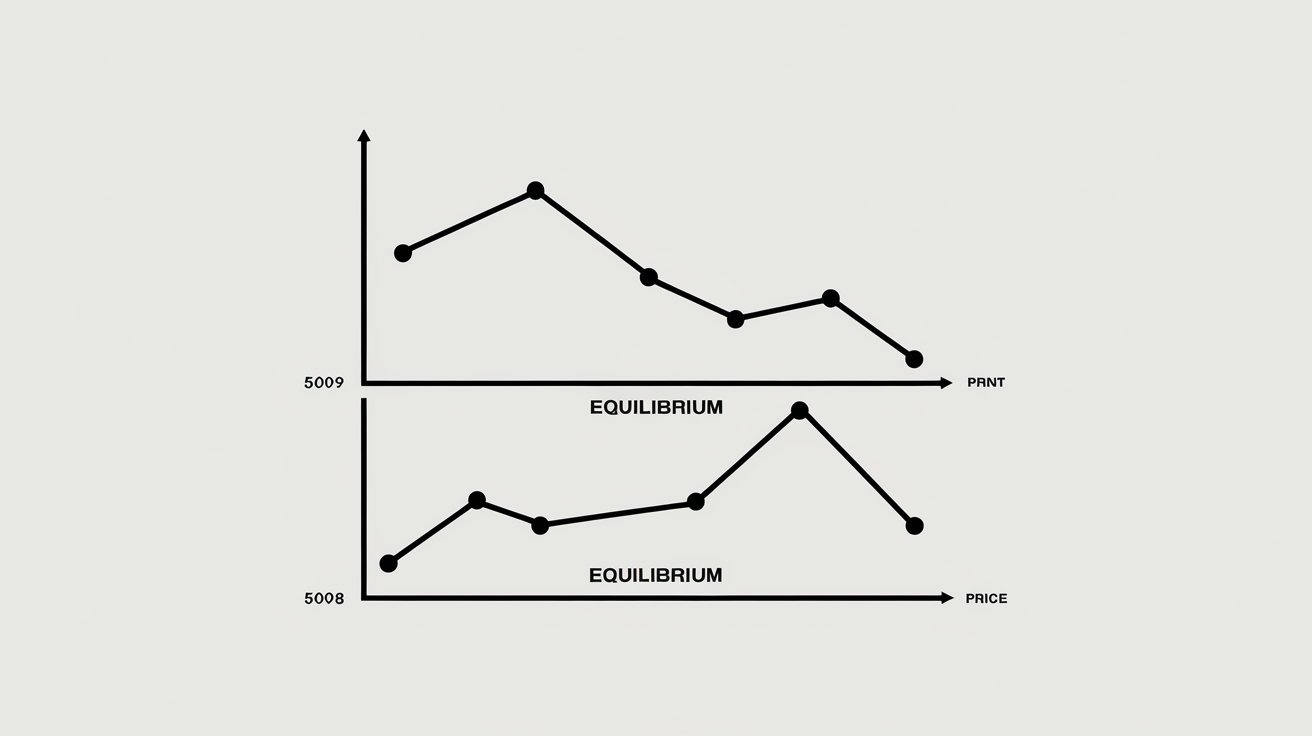
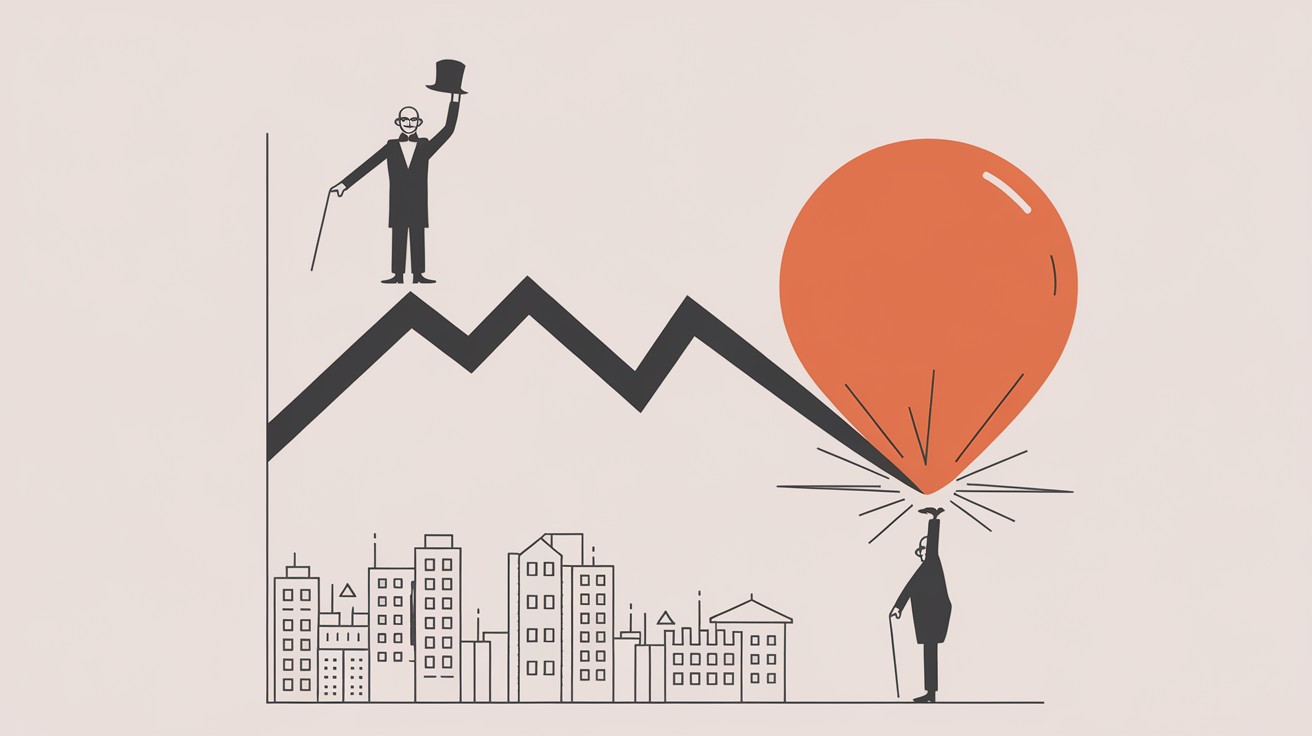
The boom and bust cycle is a pattern of economic expansion followed by contraction. During the boom phase, the economy grows quickly, businesses thrive, and unemployment falls. In the bust phase, growth slows or reverses, leading to recessions or even depressions.
This cycle repeats over time and is a natural part of how economies work. It affects everything from stock markets to job availability and consumer confidence.
Causes of the Boom and Bust Cycle
Several factors contribute to these economic swings. Understanding these causes helps you recognize when a boom or bust might be coming.
- Excessive Credit Growth:
Easy access to loans can fuel spending and investment during booms but lead to defaults during busts.
- Speculation:
Over-optimism in markets can push asset prices too high, creating bubbles that eventually burst.
- Monetary Policy:
Central banks’ decisions on interest rates can either stimulate or slow economic activity.
- External Shocks:
Events like oil price spikes or geopolitical tensions can disrupt economic stability.
- Technological Changes:
Innovations can drive rapid growth but also cause disruptions that lead to downturns.
Phases of the Boom and Bust Cycle
The cycle has distinct stages that show how economies move from growth to decline and back again.
- Expansion (Boom):
Increased production, rising incomes, and high consumer confidence.
- Peak:
The economy reaches its highest point; inflation may rise, and markets may become overheated.
- Contraction (Bust):
Economic activity slows, unemployment rises, and spending decreases.
- Trough:
The lowest point of the cycle before recovery begins.
Impact of Boom and Bust Cycles on the Economy
These cycles affect many aspects of economic life, influencing both individuals and businesses.
- Employment:
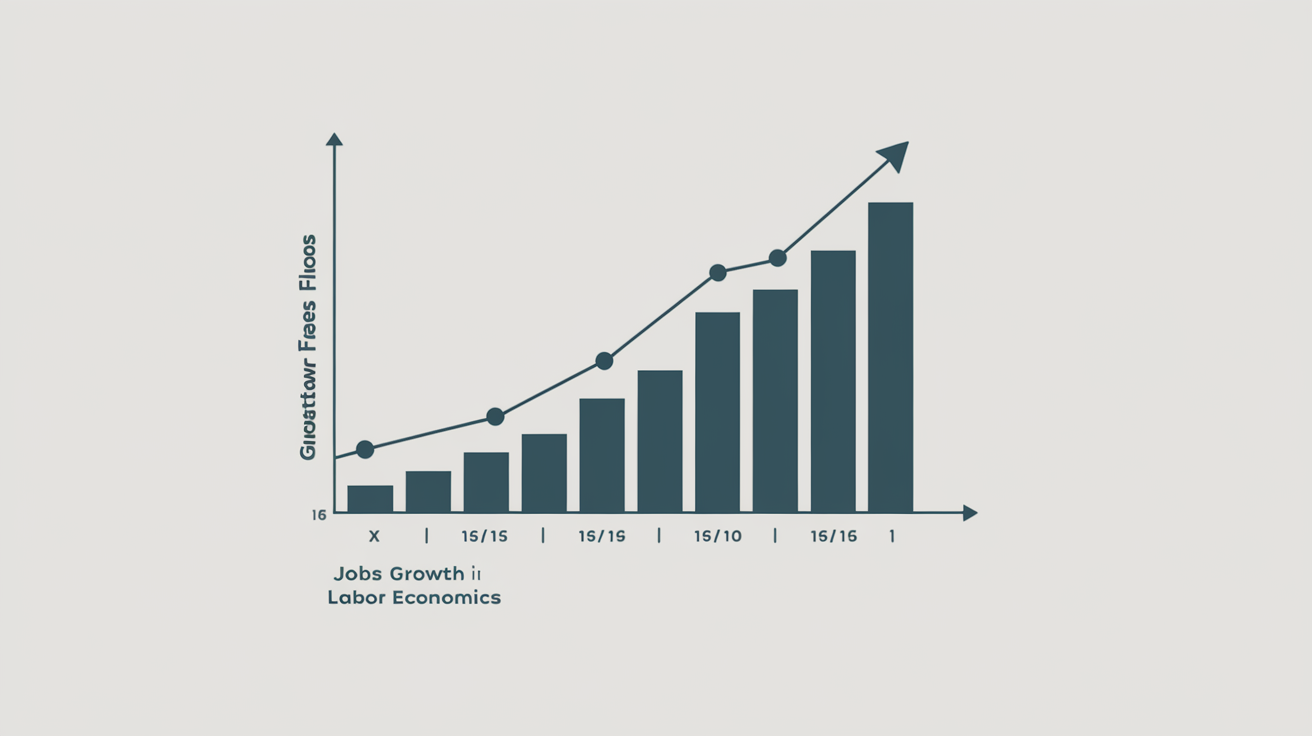
Jobs increase during booms but often disappear during busts.
- Investment:
Businesses invest more in good times but cut back during downturns.
- Consumer Spending:
People spend more when confident and save more during recessions.
- Government Finances:
Tax revenues rise in booms and fall in busts, affecting public services.
- Financial Markets:
Stock prices often rise during booms and fall sharply in busts.
Examples of Boom and Bust Cycles
History offers many examples that illustrate how these cycles work in real life.
- The Great Depression (1929):
A severe bust following a roaring 1920s boom, leading to massive unemployment and economic hardship.
- The Dot-com Bubble (late 1990s):
Rapid tech stock growth followed by a sharp crash in 2000.
- The 2008 Financial Crisis:
A housing market boom ended in a bust that triggered a global recession.
How to Prepare for Boom and Bust Cycles
While you can’t control the economy, you can take steps to protect your finances through these cycles.
- Diversify Investments:
Spread your money across different asset types to reduce risk.
- Maintain an Emergency Fund:
Save enough to cover expenses during downturns.
- Stay Informed:
Follow economic news to anticipate changes.
- Avoid Excessive Debt:
Keep borrowing manageable to avoid financial strain during busts.
- Long-Term Planning:
Focus on goals beyond short-term market swings.
Conclusion
The boom and bust cycle is a natural part of macroeconomics that affects everyone. By understanding its causes and phases, you can better navigate economic ups and downs.
Preparing financially and staying informed helps you manage risks and seize opportunities during both booms and busts. This knowledge empowers you to make smarter decisions for your financial future.
FAQs
What triggers the start of a boom phase?
A boom often starts with increased consumer spending, low interest rates, or technological innovation that boosts economic activity.
Can governments prevent busts?
Governments and central banks try to reduce bust severity through policies but cannot fully prevent economic downturns.
How long does a typical boom and bust cycle last?
Cycles vary but often last several years, with booms and busts each lasting from a few months to several years.
Is the stock market always affected by these cycles?
Yes, stock markets usually rise during booms and fall during busts, reflecting economic conditions and investor sentiment.
What role does consumer confidence play?
High consumer confidence fuels spending and growth during booms, while low confidence leads to reduced spending in busts.