What is Transatlantic Trade And Investment Partnership (TTIP)?
Explore the Transatlantic Trade and Investment Partnership (TTIP), its goals, benefits, controversies, and impact on global trade and investment relations.
Introduction to TTIP
The Transatlantic Trade and Investment Partnership, or TTIP, is a proposed trade agreement between the United States and the European Union. It aims to promote trade and economic growth by reducing tariffs and regulatory barriers. Understanding TTIP helps you grasp how major economies try to boost cooperation and investment.
In this article, we’ll explore what TTIP is, its objectives, benefits, and the controversies surrounding it. This will give you a clear picture of why such agreements matter in global trade.
What is TTIP?
TTIP is a comprehensive trade and investment agreement negotiated between the US and the EU. Its main goal is to create a more open and fair trading environment by:
Lowering tariffs on goods and services
Aligning regulations and standards
Protecting investments
Enhancing cooperation on trade rules
By doing this, TTIP aims to boost economic growth, create jobs, and strengthen the transatlantic economic relationship.
Key Objectives of TTIP
TTIP focuses on several important goals to improve trade and investment between the US and EU:
- Reducing Tariffs:
Cutting taxes on imports and exports to make goods cheaper.
- Regulatory Cooperation:
Harmonizing rules on product safety, environmental standards, and labor laws to ease business operations.
- Investment Protection:
Ensuring fair treatment and security for investors on both sides.
- Market Access:
Opening government procurement and service sectors to more competition.
These objectives aim to remove barriers that slow down trade and investment.
Benefits of TTIP
If successfully implemented, TTIP could bring several advantages:
- Economic Growth:
Increased trade can boost GDP and create jobs.
- Lower Prices:
Consumers benefit from cheaper goods due to reduced tariffs.
- Stronger Cooperation:
Closer alignment of standards reduces costs for companies operating in both markets.
- Global Influence:
A united US-EU trade front can set global trade rules.
These benefits help businesses and consumers alike by making trade smoother and more predictable.
Controversies and Criticisms
TTIP has faced significant criticism from various groups. Some concerns include:
- Regulatory Standards:
Critics fear TTIP might lower environmental, health, or safety standards.
- Investor-State Dispute Settlement (ISDS):
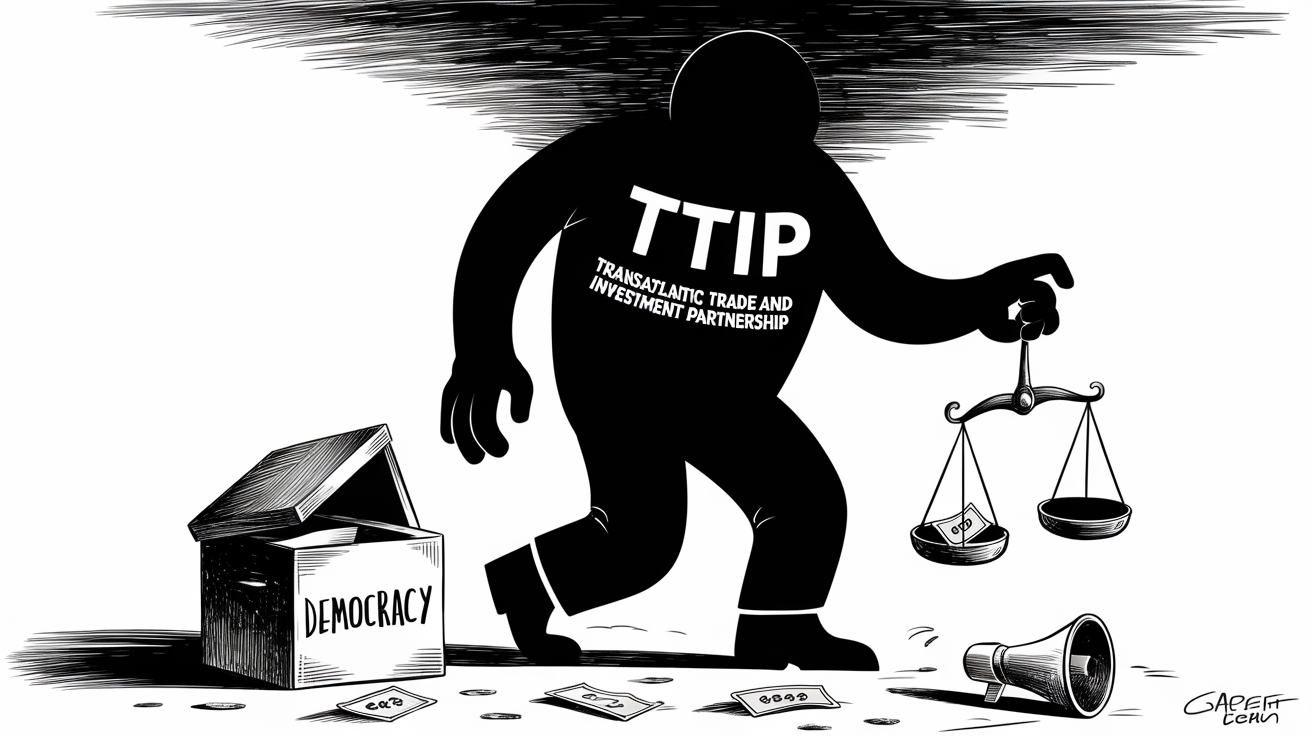
This mechanism allows companies to sue governments, raising worries about national sovereignty.
- Transparency:
Negotiations were often secretive, leading to distrust.
- Impact on Jobs:
Some fear job losses in certain sectors due to increased competition.
These issues have led to protests and calls for more public involvement in trade talks.
Current Status of TTIP
Negotiations for TTIP began in 2013 but have stalled in recent years. Political changes, public opposition, and differing priorities between the US and EU slowed progress. As of now, TTIP remains unsigned and uncertain.
However, discussions on trade cooperation continue through other channels, reflecting the ongoing importance of US-EU economic ties.
How TTIP Affects You
Even if you don’t trade internationally, TTIP could impact your daily life by:
Lowering prices on imported goods like electronics and clothing.
Influencing food safety and environmental standards.
Creating more job opportunities in export industries.
Shaping the rules that govern global trade.
Understanding TTIP helps you see how international agreements shape economic conditions at home.
Conclusion
The Transatlantic Trade and Investment Partnership is a significant effort to deepen economic ties between the US and EU. It aims to reduce trade barriers, align regulations, and protect investments to boost growth.
While TTIP offers many potential benefits, it also raises important questions about standards, transparency, and sovereignty. Staying informed about such agreements helps you understand the forces shaping global trade and your financial future.
FAQs
What does TTIP stand for?
TTIP stands for Transatlantic Trade and Investment Partnership, a proposed trade agreement between the US and the EU.
Why was TTIP proposed?
TTIP was proposed to reduce tariffs and regulatory barriers, promoting trade and investment between the US and EU.
What are the main benefits of TTIP?
Benefits include economic growth, lower prices, regulatory cooperation, and stronger global trade influence.
Why is TTIP controversial?
Critics worry about lowered standards, investor rights overriding governments, lack of transparency, and job impacts.
Is TTIP currently in effect?
No, TTIP negotiations have stalled and the agreement is not yet signed or implemented.