What is Cap And Trade In Environmental Economics
Explore how cap and trade works in environmental economics to reduce pollution efficiently and promote sustainable growth.

Introduction to Cap and Trade
Understanding how we manage pollution is key to protecting our environment. Cap and trade is a popular system used worldwide to control emissions. It helps balance economic growth with environmental responsibility.
In this article, we’ll explore what cap and trade means, how it works, and why it’s important for sustainable development. You’ll learn how this approach encourages companies to reduce pollution in a cost-effective way.
What is Cap and Trade?
Cap and trade is an environmental policy tool designed to limit pollution. The government sets a cap, or limit, on the total amount of certain pollutants that can be emitted. Companies receive or buy permits allowing them to emit a specific amount.
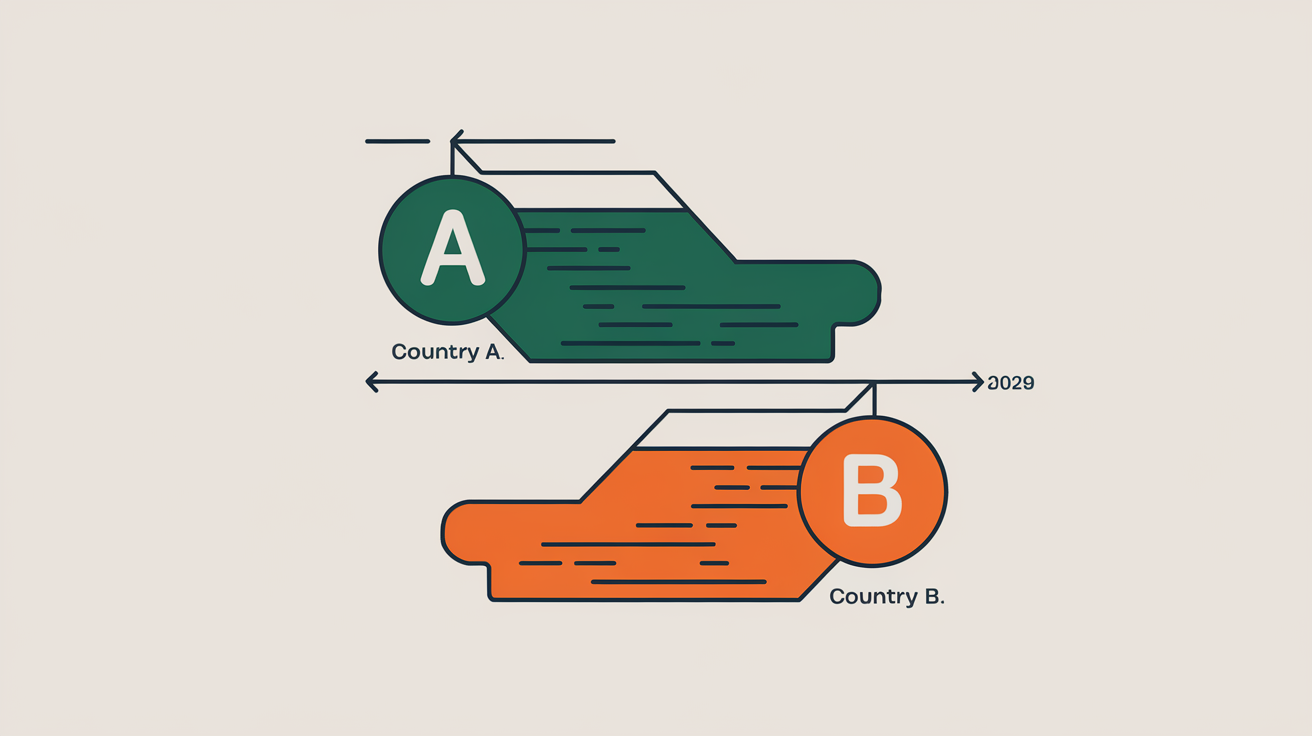
These permits can be traded between companies. If a company pollutes less than its allowance, it can sell extra permits to others. This creates a financial incentive to reduce emissions.
Caps reduce overall pollution by setting a firm limit.
Trading allows flexibility and cost savings for businesses.
The system encourages innovation in cleaner technologies.
How Does Cap and Trade Work?
The process starts with the government deciding the total pollution cap. This cap usually decreases over time to push for cleaner air or water.
Next, permits are distributed. They can be given for free or auctioned. Companies must hold enough permits to cover their emissions.
Here’s how trading works:
Companies that reduce emissions below their limit can sell surplus permits.
Companies exceeding their limits must buy permits or face penalties.
The market sets the price for permits based on supply and demand.
This system motivates companies to find cheaper ways to cut pollution rather than paying for permits.
Benefits of Cap and Trade
Cap and trade offers several advantages over traditional regulation methods:
- Cost-effectiveness:
Companies choose the cheapest way to reduce emissions.
- Environmental certainty:
The cap guarantees pollution limits are met.
- Encourages innovation:
Firms invest in cleaner technology to save money.
- Flexibility:
Trading allows businesses to adapt to changing needs.
- Revenue generation:
Auctions of permits can fund environmental projects.
Examples of Cap and Trade Systems
Cap and trade has been successfully implemented in various regions:
- European Union Emissions Trading System (EU ETS):
The largest carbon market, targeting greenhouse gases.
- California Cap-and-Trade Program:
Covers multiple industries to reduce carbon emissions.
- Acid Rain Program in the U.S.:
Reduced sulfur dioxide emissions using cap and trade.
These examples show how cap and trade can drive real environmental improvements.
Challenges and Criticisms
While effective, cap and trade faces some challenges:
- Setting the right cap:
Too high a cap weakens impact; too low can hurt businesses.
- Permit allocation:
Free permits may favor big polluters.
- Market volatility:
Permit prices can fluctuate, causing uncertainty.
- Monitoring and enforcement:
Accurate tracking of emissions is essential.
Addressing these issues is crucial for a successful program.
Cap and Trade vs. Carbon Tax
Both cap and trade and carbon tax aim to reduce emissions but differ in approach:
- Cap and Trade:
Sets a pollution limit and lets the market set permit prices.
- Carbon Tax:
Fixes the price on carbon emissions but does not limit total emissions.
Cap and trade guarantees environmental outcomes, while carbon tax offers price certainty. Some countries combine both for balanced results.
How You Can Benefit from Cap and Trade
If you’re a business owner or investor, understanding cap and trade can help you:
Identify opportunities in clean energy and technology sectors.
Manage risks related to carbon pricing.
Explore carbon credit trading as a new revenue stream.
Consumers also benefit from improved air quality and sustainable products as companies innovate.
Conclusion
Cap and trade is a powerful tool in environmental economics that helps reduce pollution efficiently. By setting limits and allowing trading, it encourages companies to innovate and cut emissions cost-effectively.
While challenges exist, well-designed cap and trade programs can balance economic growth with environmental protection. Understanding this system empowers you to make smarter decisions whether you’re a business, investor, or concerned citizen.
What pollutants are typically regulated by cap and trade?
Common pollutants include carbon dioxide, sulfur dioxide, and nitrogen oxides. These gases contribute to climate change and acid rain, making them prime targets for cap and trade programs.
How does the government enforce cap and trade rules?
Governments monitor emissions through reporting and inspections. Companies must surrender permits equal to their emissions, or face fines and penalties for non-compliance.
Can individuals participate in cap and trade markets?
While mostly designed for companies, individuals can invest in carbon credits or funds linked to cap and trade markets, indirectly supporting emission reductions.
What happens if a company exceeds its emission permits?
The company must buy additional permits or pay fines. Persistent violations can lead to stricter penalties or legal action.
Is cap and trade effective in fighting climate change?
Yes, when properly implemented, cap and trade reduces greenhouse gas emissions by creating financial incentives for cleaner practices and technologies.