What Is Inflation Targeting in Monetary Policy?
Understand inflation targeting in monetary policy, its benefits, and how it stabilizes economies by controlling inflation rates effectively.
Introduction
Inflation targeting is a key strategy used by central banks to maintain price stability and support economic growth. If you want to understand how governments control inflation and keep your money’s value steady, learning about inflation targeting is essential.
In this article, we’ll explore what inflation targeting means, how it works, and why it matters for your financial future. You’ll get clear insights into this monetary policy tool and how it helps economies stay balanced.
What Is Inflation Targeting?
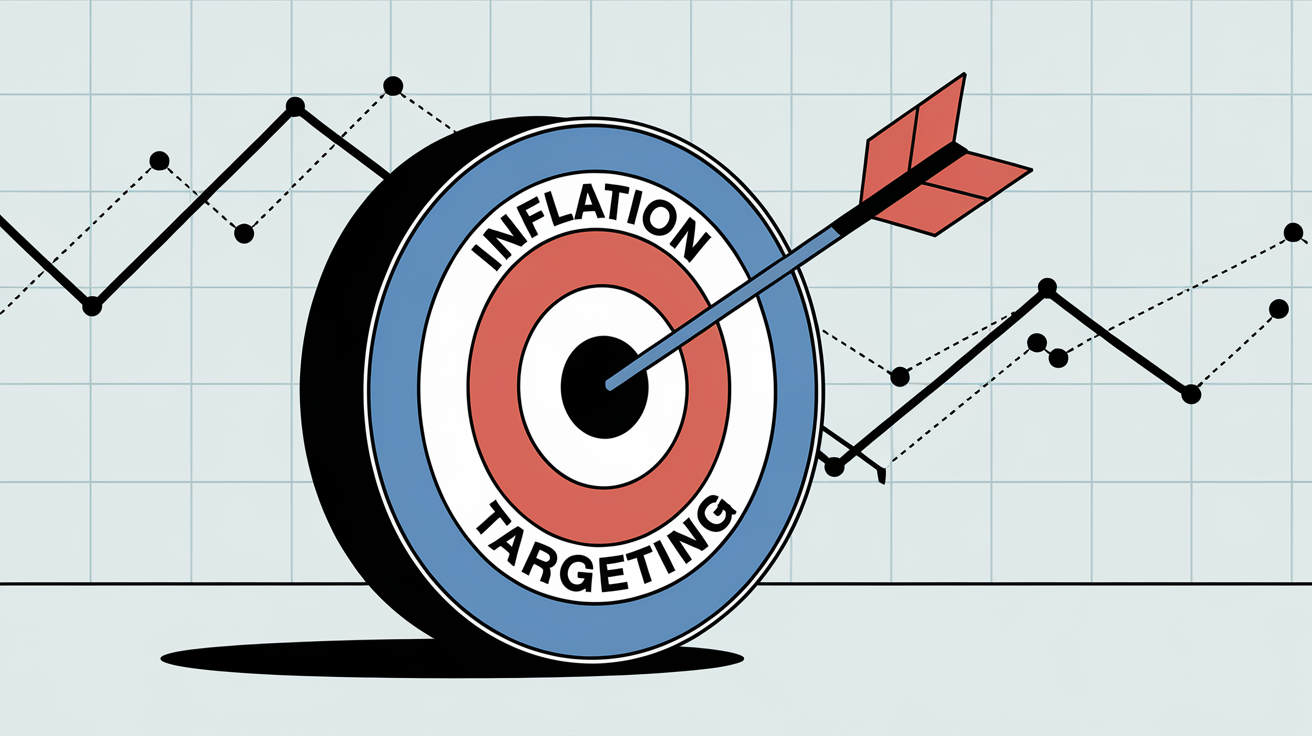
Inflation targeting is a monetary policy framework where a central bank sets a specific inflation rate goal. The bank then adjusts interest rates and other tools to keep inflation close to this target.
This approach helps anchor expectations about future inflation, making it easier for businesses and consumers to plan their spending and investments.
Typically, the inflation target is around 2%, which balances price stability and economic growth.
Central banks publicly announce their targets to increase transparency and accountability.
It replaces older policies that focused solely on controlling money supply or exchange rates.
How Does Inflation Targeting Work?
Central banks use several tools to keep inflation near the target. The main tool is adjusting the policy interest rate, which influences borrowing costs and spending.
When inflation rises above the target, the bank may increase interest rates to cool down the economy. Conversely, if inflation is too low, it may lower rates to encourage spending.
Open market operations: Buying or selling government bonds to influence money supply.
Forward guidance: Communicating future policy intentions to shape market expectations.
Monitoring economic indicators like unemployment and GDP growth to adjust policies timely.
Benefits of Inflation Targeting
Inflation targeting offers several advantages for economies and individuals alike. It provides a clear and measurable goal for monetary policy, which helps reduce uncertainty.
- Price stability:
Keeps inflation low and predictable, protecting purchasing power.
- Economic growth:
Stable prices encourage investment and job creation.
- Transparency:
Public targets build trust in central banks and their policies.
- Flexibility:
Allows adjustments based on changing economic conditions.
Challenges and Criticisms
Despite its benefits, inflation targeting has some limitations. It may not fully address supply shocks, such as sudden increases in oil prices, which can cause inflation spikes.
Also, strict focus on inflation can sometimes lead to neglecting other important goals like employment or financial stability.
Risk of over-tightening: Raising rates too much can slow growth and increase unemployment.
Measurement issues: Inflation indexes may not capture all price changes accurately.
Delayed effects: Monetary policy changes take time to impact the economy.
Examples of Inflation Targeting Around the World
Many countries have adopted inflation targeting as their main monetary policy framework. Here are a few examples:
- United States:
The Federal Reserve targets a 2% inflation rate over the long term.
- United Kingdom:
The Bank of England aims for 2% inflation using the Consumer Price Index (CPI).
- New Zealand:
Pioneer of inflation targeting since the late 1980s, with a target range of 1-3%.
- India:
The Reserve Bank of India targets 4% inflation with a tolerance band of +/- 2%.
How Inflation Targeting Affects You
Understanding inflation targeting helps you grasp why central banks raise or lower interest rates. These decisions influence loan rates, mortgage costs, and savings returns.
When inflation is controlled, your money retains value better, making it easier to plan for big expenses like buying a home or retirement.
Lower inflation means stable prices for groceries, fuel, and services.
Interest rate changes affect credit card rates and loan affordability.
Investment returns can be influenced by inflation expectations.
Conclusion
Inflation targeting is a powerful tool that central banks use to keep economies stable and prices predictable. By setting clear inflation goals, they help reduce uncertainty and support steady growth.
While it has challenges, inflation targeting remains a widely accepted approach to managing monetary policy. Knowing how it works empowers you to make smarter financial decisions and understand economic news better.
FAQs
What is the typical inflation target set by central banks?
Most central banks aim for an inflation rate around 2%, which balances price stability and economic growth.
How does inflation targeting impact interest rates?
Central banks adjust interest rates to keep inflation near the target—raising rates to reduce inflation and lowering them to stimulate spending.
Can inflation targeting prevent all economic problems?
No, it mainly controls inflation but may not fully address issues like supply shocks or unemployment.
Which countries use inflation targeting?
Countries like the US, UK, New Zealand, and India use inflation targeting as their main monetary policy framework.
Why is transparency important in inflation targeting?
Transparency builds public trust and helps businesses and consumers make informed financial decisions based on clear inflation goals.