What is Economic Collapse? Causes, Effects & Preparation
Understand what economic collapse means, its causes, effects, and how to prepare financially for such crises.

Introduction
Economic collapse is a severe and sudden downturn in a country’s economy that disrupts everyday life and financial stability. It can affect jobs, savings, and access to essential goods and services.
In this article, we’ll explore what economic collapse means, why it happens, and how you can protect your finances during such challenging times.
What Is Economic Collapse?
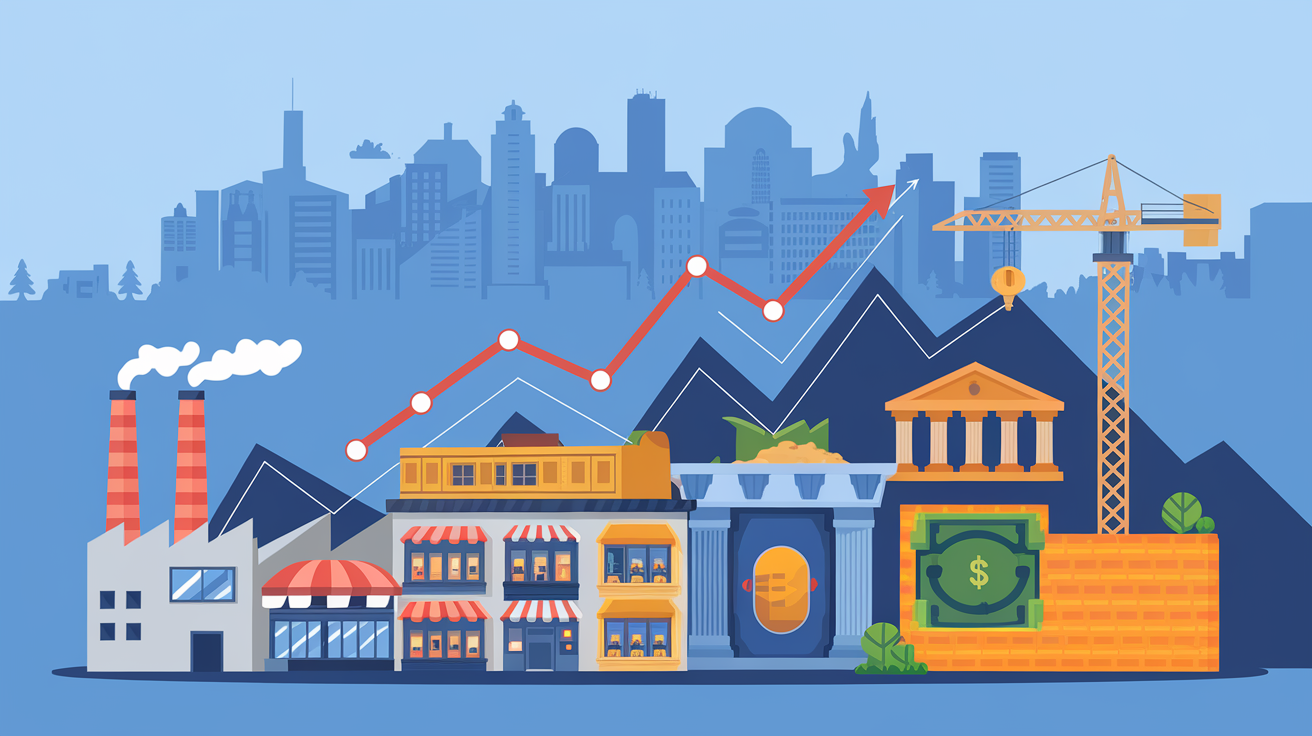
Economic collapse refers to a rapid and extreme decline in economic activity. It often involves a breakdown of financial institutions, massive unemployment, and a sharp fall in the value of currency.
This situation goes beyond a typical recession or depression, causing widespread hardship and uncertainty.
Severe drop in GDP (Gross Domestic Product)
Bank failures and credit crunch
Hyperinflation or deflation
Massive unemployment and poverty
Common Causes of Economic Collapse
Several factors can trigger an economic collapse, often combining to worsen the situation.
- Financial crises:
Banking system failures or stock market crashes can lead to loss of confidence.
- Political instability:
Corruption, weak governance, or conflict disrupt economic policies.
- Excessive debt:
When governments or consumers borrow beyond their means, repayment becomes impossible.
- Hyperinflation:
Rapid price increases erode purchasing power and savings.
- External shocks:
Natural disasters, wars, or global economic downturns can severely impact economies.
Effects of Economic Collapse on Society
The consequences of economic collapse are far-reaching and affect individuals, businesses, and governments.
- Job losses:
Companies close or downsize, increasing unemployment rates.
- Reduced public services:
Governments struggle to fund healthcare, education, and infrastructure.
- Currency devaluation:
Money loses value, making imports expensive and savings worthless.
- Social unrest:
Economic hardship can lead to protests, crime, and political upheaval.
- Decline in living standards:
Access to food, housing, and basic needs becomes limited.
How to Prepare Financially for an Economic Collapse
While economic collapse is unpredictable, you can take steps to protect your finances and reduce risks.
- Diversify investments:
Spread your money across stocks, bonds, real estate, and precious metals.
- Build an emergency fund:
Save at least 3-6 months of living expenses in liquid assets.
- Reduce debt:
Pay down high-interest loans to lower financial burdens.
- Keep cash accessible:
Have some cash on hand for emergencies when banks or ATMs may not work.
- Invest in essential skills:
Learning practical skills can help you adapt if job markets shrink.
Examples of Economic Collapse in History
Understanding past economic collapses helps us learn how they unfold and their impact.
- Weimar Germany (1920s):
Hyperinflation wiped out savings, leading to social and political chaos.
- Great Depression (1930s):
Global stock market crash caused massive unemployment and poverty.
- Venezuela (2010s):
Political turmoil and mismanagement led to hyperinflation and shortages.
Signs That an Economic Collapse Might Be Approaching
Recognizing warning signs can help you prepare in advance.
Rapid inflation or deflation trends
Rising government debt and deficits
Banking sector instability or frequent bailouts
Political unrest or weakening institutions
Sharp declines in stock markets or currency value
Conclusion
Economic collapse is a complex and serious event that can disrupt your financial security and daily life. Understanding its causes and effects helps you stay informed and ready.
By diversifying your investments, reducing debt, and maintaining an emergency fund, you can better protect yourself against economic uncertainty. Staying aware of warning signs also allows you to act early and safeguard your future.
What triggers an economic collapse?
Economic collapse can be triggered by financial crises, political instability, excessive debt, hyperinflation, or external shocks like wars and natural disasters.
How does economic collapse affect jobs?
During an economic collapse, many businesses close or reduce staff, leading to high unemployment and difficulty finding work.
Can individuals protect their money from economic collapse?
Yes, by diversifying investments, building emergency savings, reducing debt, and keeping some cash accessible, individuals can reduce financial risks.
What historical examples show economic collapse?
Notable examples include Weimar Germany’s hyperinflation, the Great Depression, and Venezuela’s recent economic crisis.
Are there early signs of economic collapse?
Yes, signs include rapid inflation, rising debt, banking instability, political unrest, and sharp market declines.