What Is Inferior Good in Microeconomics?
Learn what an inferior good is in microeconomics, how it affects consumer behavior, and examples to understand this key economic concept.
Introduction
Understanding consumer choices is essential in microeconomics, and the concept of inferior goods plays a key role. You might wonder why some products lose demand as your income rises. That’s where inferior goods come in.
In this article, we’ll explore what inferior goods are, how they differ from normal goods, and why they matter in economic analysis. By the end, you’ll grasp how income changes influence buying habits.
What Is an Inferior Good?
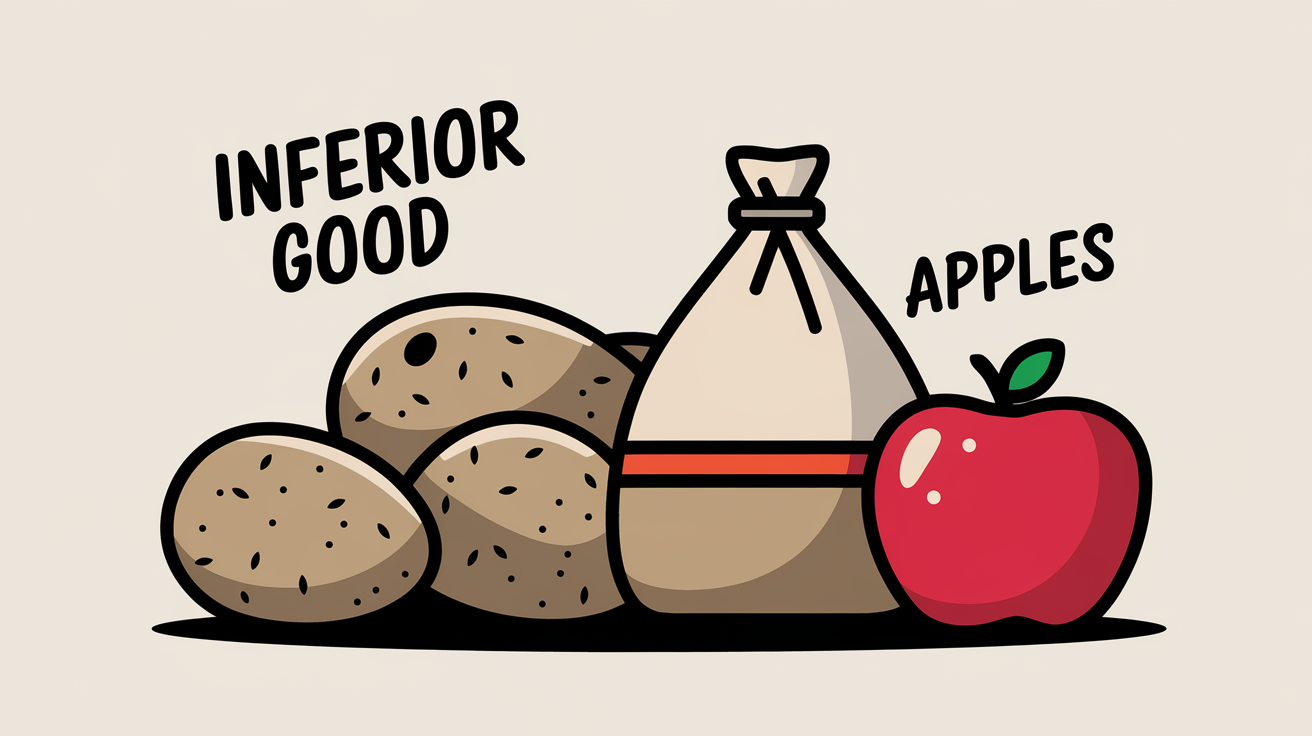
In microeconomics, an inferior good is a product whose demand decreases when consumer income increases. In simple terms, as you earn more money, you tend to buy less of these goods.
This contrasts with normal goods, where demand rises as income grows. Inferior goods often serve as cheaper alternatives to more expensive items.
Examples include instant noodles, bus rides, or generic brands.
When income falls, people buy more of these goods to save money.
They reflect budget constraints and consumer preferences.
How Inferior Goods Affect Consumer Behavior
Income changes directly impact how much of an inferior good you buy. When your income drops, you might switch from premium products to these cheaper options.
This behavior shows the substitution effect, where consumers replace pricier goods with more affordable ones when budgets tighten.
People might choose public transport over taxis.
They may buy store-brand groceries instead of name brands.
Demand for inferior goods rises during economic downturns.
Examples of Inferior Goods
Real-world examples help clarify the concept. Here are some common inferior goods:
- Instant noodles:
Popular among lower-income groups but less consumed as income grows.
- Used cars:
People often upgrade to new cars when they earn more.
- Public transportation:
Many switch to private vehicles when their financial situation improves.
- Generic or store-brand products:
Bought more when budgets are tight.
Difference Between Inferior and Normal Goods
The key difference lies in how demand changes with income:
- Normal goods:
Demand increases as income rises.
- Inferior goods:
Demand decreases as income rises.
Understanding this distinction helps economists predict market trends and consumer choices.
Why Do Inferior Goods Matter in Economics?
Inferior goods reveal important insights about consumer preferences and economic conditions. They help explain:
How income fluctuations affect market demand.
Consumer substitution patterns during recessions.
Pricing strategies for businesses targeting different income groups.
Policymakers also use this knowledge to assess welfare and design social programs.
Conclusion
Inferior goods are a fundamental concept in microeconomics that explain why some products lose appeal as incomes rise. Recognizing these goods helps you understand consumer behavior better.
By knowing how income changes influence demand, you can make smarter economic decisions or investments. Whether you’re a student, investor, or curious reader, grasping inferior goods adds depth to your economic knowledge.
FAQs
What defines an inferior good in economics?
An inferior good is one where demand falls as consumer income increases. People buy less of it when they can afford better alternatives.
Can a good be both normal and inferior?
Some goods can be normal for certain income levels and inferior for others, depending on consumer preferences and context.
Why do people buy inferior goods?
People buy inferior goods mainly to save money when their income is low or during economic hardship.
Are all cheap goods inferior goods?
No, not all cheap goods are inferior. Some low-cost items remain in demand regardless of income changes.
How do inferior goods impact business strategies?
Businesses may target inferior goods to budget-conscious consumers, especially during economic downturns, adjusting pricing and marketing accordingly.