What is Equilibrium Quantity in Microeconomics?
Understand equilibrium quantity in microeconomics, how it balances supply and demand, and its impact on markets and pricing.

Introduction to Equilibrium Quantity
When you study microeconomics, one key concept you’ll encounter is equilibrium quantity. This is the amount of a good or service that buyers and sellers agree upon in a market. It’s where supply meets demand, creating a balance that determines the market price.
Understanding equilibrium quantity helps you see how markets function efficiently. It explains why prices stabilize and how changes in supply or demand affect the quantity sold. Let’s explore this concept in detail so you can grasp its importance in everyday economics.
What is Equilibrium Quantity?
Equilibrium quantity is the number of goods or services that consumers want to buy exactly equals the number sellers want to sell at a specific price. This point is called the market equilibrium.
It occurs where the supply curve intersects the demand curve.
At this quantity, there is no shortage or surplus in the market.
The price associated with this quantity is called the equilibrium price.
In simple terms, it’s the perfect balance where the market clears, and everyone’s needs are met without leftover goods or unmet demand.
How Equilibrium Quantity is Determined
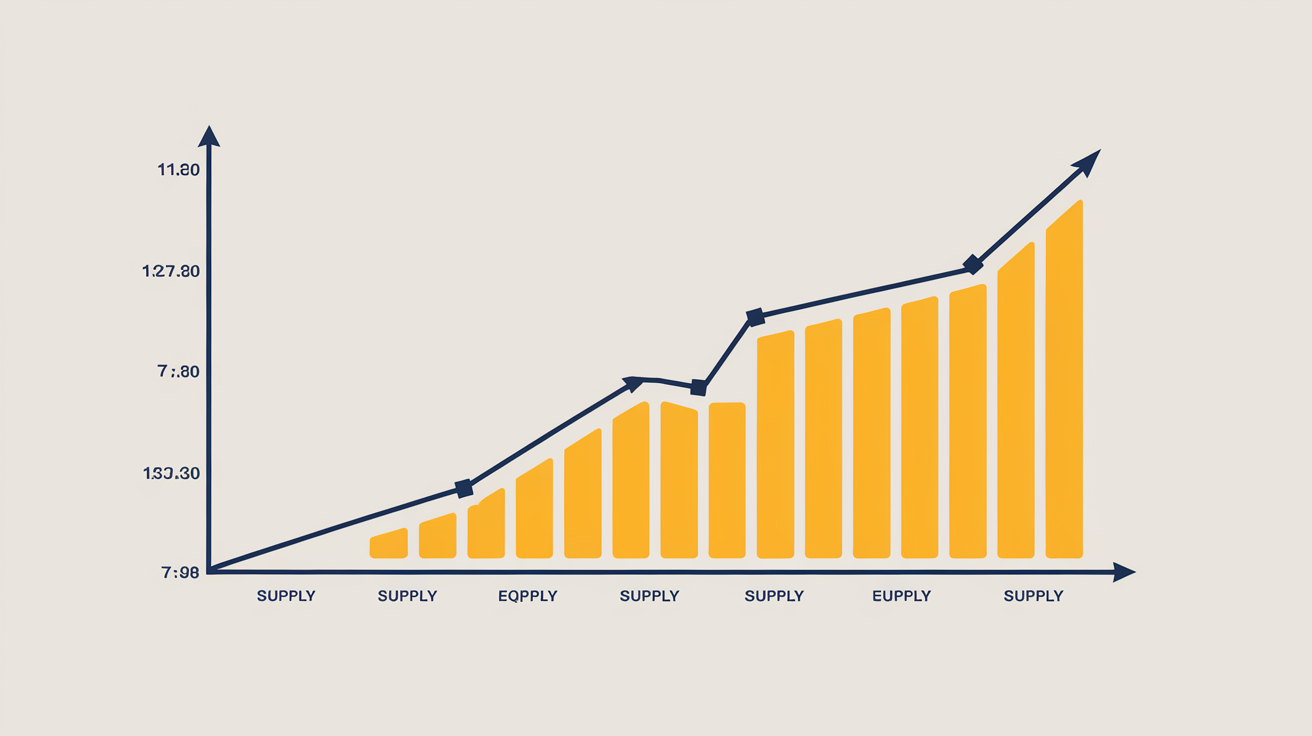
The equilibrium quantity depends on the interaction between supply and demand. Both curves reflect how much sellers are willing to sell and buyers want to buy at different prices.
- Supply Curve:
Shows the quantity sellers offer at various prices. Higher prices usually mean more supply.
- Demand Curve:
Shows the quantity buyers want at different prices. Lower prices usually mean more demand.
The point where these two curves cross determines the equilibrium quantity and price. This is where the intentions of buyers and sellers match perfectly.
Why Equilibrium Quantity Matters
Knowing the equilibrium quantity is crucial for understanding market dynamics. It helps you see how prices and quantities adjust when conditions change.
- Market Efficiency:
Equilibrium quantity ensures resources are allocated efficiently without waste.
- Price Stability:
It explains why prices tend to settle around a certain level in competitive markets.
- Predicting Changes:
Shifts in supply or demand curves change the equilibrium quantity, helping businesses and policymakers anticipate market reactions.
Factors Affecting Equilibrium Quantity
Several factors can shift supply or demand, changing the equilibrium quantity.
- Changes in Consumer Preferences:
If buyers want more of a product, demand increases, raising equilibrium quantity.
- Production Costs:
Higher costs reduce supply, lowering equilibrium quantity.
- Technological Advances:
Improved technology can increase supply, raising equilibrium quantity.
- Government Policies:
Taxes or subsidies can shift supply or demand, affecting equilibrium quantity.
Understanding these factors helps you predict how markets respond to real-world events.
Examples of Equilibrium Quantity in Real Markets
Let’s look at some practical examples to see equilibrium quantity in action.
- Housing Market:
If more people want homes (demand rises) but construction slows (supply falls), equilibrium quantity may drop, pushing prices up.
- Smartphones:
When a new model launches, demand spikes, increasing equilibrium quantity and price until supply catches up.
- Food Markets:
A poor harvest reduces supply, lowering equilibrium quantity and raising prices for crops.
How to Calculate Equilibrium Quantity
To find equilibrium quantity, you need the supply and demand equations or data.
Set the quantity supplied equal to quantity demanded.
Solve the resulting equation for price.
Substitute the price back into either the supply or demand equation to find the equilibrium quantity.
This calculation shows the exact quantity where the market clears.
Limitations of Equilibrium Quantity Concept
While useful, the equilibrium quantity concept has some limitations.
- Assumes Perfect Competition:
Real markets may have monopolies or oligopolies affecting prices.
- Ignores External Factors:
External shocks or regulations can disrupt equilibrium.
- Static Model:
It doesn’t account for time delays or dynamic changes in markets.
Still, it remains a foundational tool for understanding market behavior.
Conclusion
Equilibrium quantity is a fundamental idea in microeconomics that shows where supply and demand balance perfectly. It explains how markets set prices and quantities efficiently.
By understanding equilibrium quantity, you gain insight into how markets respond to changes and how resources are allocated. This knowledge helps you make smarter financial and business decisions in everyday life.
FAQs
What happens if the quantity supplied is greater than equilibrium quantity?
If quantity supplied exceeds equilibrium, a surplus occurs. Sellers lower prices to sell extra goods, moving the market back toward equilibrium.
Can equilibrium quantity change over time?
Yes, shifts in supply or demand due to factors like technology or consumer preferences can change equilibrium quantity over time.
Is equilibrium quantity always efficient?
In perfect competition, equilibrium quantity is efficient. But market failures or externalities can cause inefficiencies.
How does government intervention affect equilibrium quantity?
Taxes, subsidies, or price controls can shift supply or demand, altering equilibrium quantity and price.
Does equilibrium quantity guarantee stable prices?
Equilibrium tends to stabilize prices, but external shocks or changes in market conditions can cause fluctuations.