What is Fiscal Deficit in Macroeconomics?
Understand fiscal deficit in macroeconomics, its causes, effects, and how it impacts economic growth and government policy decisions.

Introduction
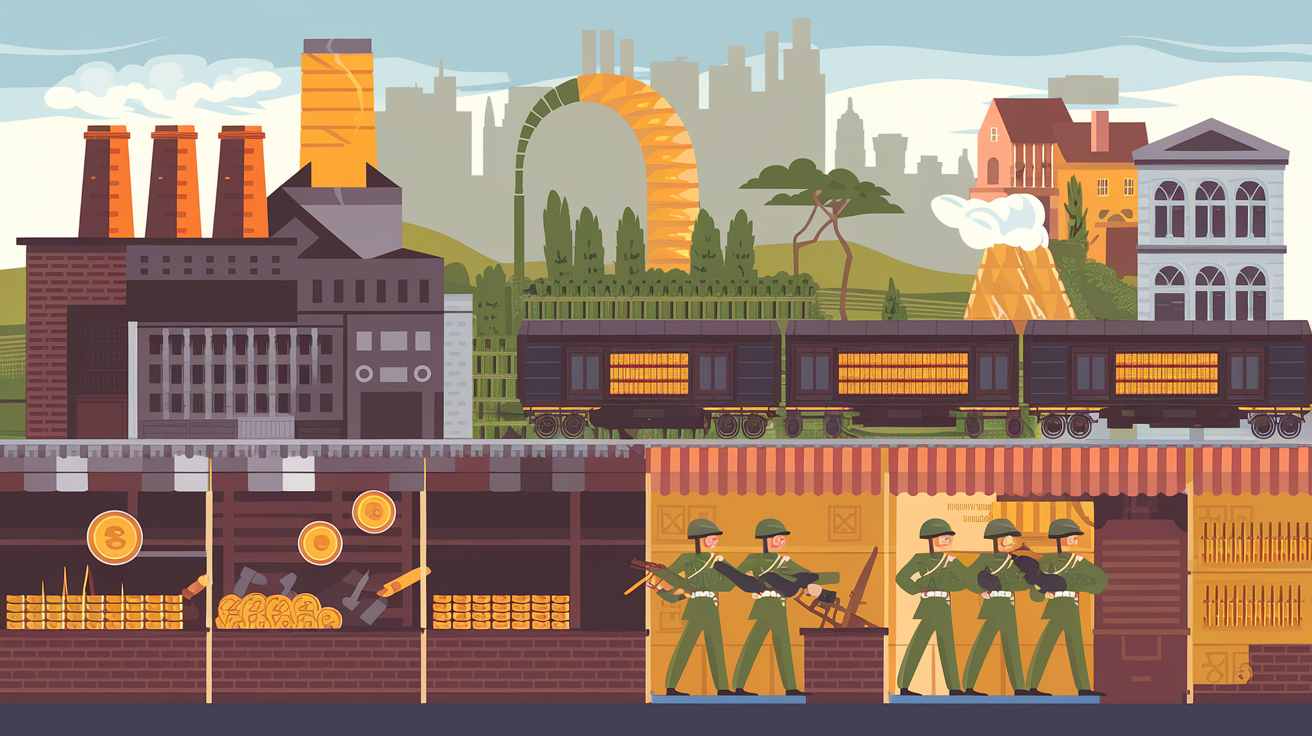
Your understanding of fiscal deficit is key to grasping how governments manage their finances and influence the economy. In simple terms, fiscal deficit shows how much a government spends beyond its income.
We will explore what fiscal deficit means in macroeconomics, why it happens, and what effects it has on a country's economy. This knowledge helps you see the bigger picture behind government budgets and economic policies.
What Is Fiscal Deficit?
Fiscal deficit occurs when a government's total expenditure exceeds its total revenue, excluding money from borrowings. It means the government is spending more than it earns through taxes and other income sources.
This gap is usually filled by borrowing from domestic or international markets. Fiscal deficit is a key indicator of a government's financial health and its approach to managing the economy.
Calculated as: Fiscal Deficit = Total Expenditure - Total Revenue (excluding borrowings)
Expressed as a percentage of Gross Domestic Product (GDP) for comparison
Reflects government’s borrowing needs to fund spending
Causes of Fiscal Deficit
Several factors can lead to a fiscal deficit. Understanding these helps you see why governments sometimes spend beyond their means.
- Increased Public Spending:
Governments may boost spending on infrastructure, social programs, or defense to stimulate growth or meet public needs.
- Lower Tax Revenues:
Economic slowdowns or tax cuts can reduce government income, widening the deficit.
- Subsidies and Welfare:
High subsidies or welfare payments increase expenditure without immediate revenue gains.
- Economic Shocks:
Natural disasters, pandemics, or global crises often force governments to spend more unexpectedly.
Effects of Fiscal Deficit on the Economy
Fiscal deficits have both positive and negative effects. Knowing these helps you understand the trade-offs governments face.
- Stimulates Growth:
Deficit spending can boost demand and create jobs during economic slowdowns.
- Increases Debt:
Persistent deficits add to public debt, raising interest costs and future repayment burdens.
- Inflation Risks:
Excessive borrowing might lead to inflation if too much money chases too few goods.
- Interest Rates Impact:
Large deficits can push interest rates up, crowding out private investment.
How Governments Manage Fiscal Deficits
Governments use various strategies to handle fiscal deficits responsibly.
- Fiscal Consolidation:
Reducing spending or increasing taxes to lower the deficit over time.
- Borrowing:
Issuing bonds to finance short-term deficits while planning for repayment.
- Economic Growth Focus:
Promoting growth to increase tax revenues naturally.
- Monetary Policy Coordination:
Working with central banks to balance inflation and growth.
Fiscal Deficit vs. Other Deficit Measures
It’s important to distinguish fiscal deficit from related terms.
- Revenue Deficit:
When revenue expenditure exceeds revenue receipts, indicating shortfall in regular income.
- Primary Deficit:
Fiscal deficit minus interest payments, showing borrowing excluding debt servicing.
- Trade Deficit:
Difference between a country's imports and exports, unrelated to government budgets.
Conclusion
Understanding fiscal deficit helps you see how government spending and revenue decisions affect the economy. It is a vital tool for managing growth, inflation, and public debt.
By knowing its causes and impacts, you can better appreciate the challenges policymakers face. This insight empowers you to follow economic news and government budgets with a clearer perspective.
FAQs
What does a high fiscal deficit indicate?
A high fiscal deficit means the government is spending significantly more than its income, which may lead to increased borrowing and higher public debt.
How is fiscal deficit different from budget deficit?
Fiscal deficit refers specifically to the gap between total expenditure and revenue (excluding borrowings), while budget deficit often means the overall shortfall in a government's budget.
Can fiscal deficit be good for the economy?
Yes, during recessions, running a fiscal deficit can stimulate growth by increasing government spending and demand.
How do governments finance fiscal deficits?
Governments usually finance deficits by borrowing through issuing bonds or taking loans from domestic and international sources.
What is the impact of fiscal deficit on inflation?
Large fiscal deficits can lead to inflation if financed by printing money or if increased demand outpaces supply in the economy.