What is Jobs Growth in Labor Economics?
Explore what jobs growth means in labor economics, its impact on the economy, and how it influences employment trends and policy decisions.
Introduction
Understanding jobs growth is essential if you want to grasp how economies expand and how labor markets function. Jobs growth refers to the increase in the number of employed people over a period, reflecting the health of an economy.
In this article, we’ll explore what jobs growth means in labor economics, why it matters, and how it affects you as a worker or investor. We’ll also look at key factors that influence jobs growth and how policymakers use this data.
What is Jobs Growth?
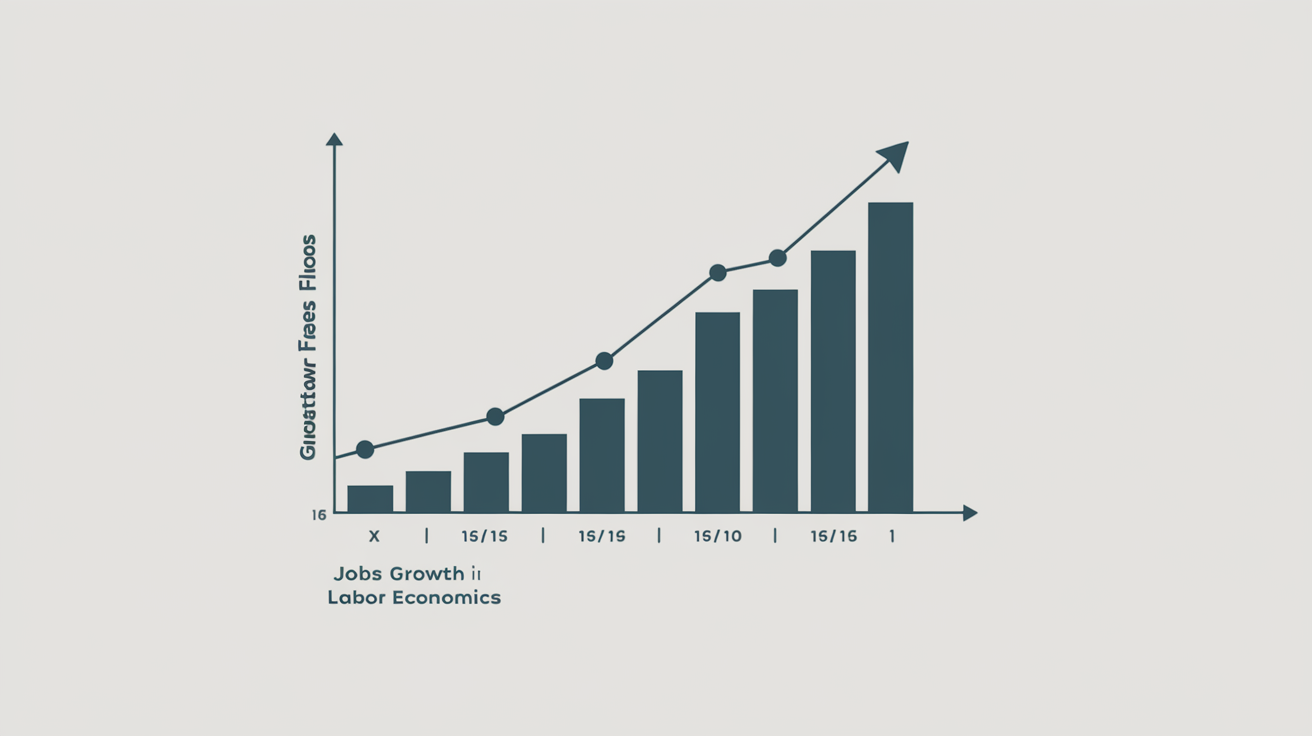
Jobs growth measures the net increase in employment within an economy. It shows how many new jobs are created minus the jobs lost during a specific time frame, usually monthly or yearly.
This growth is a key indicator of economic strength. When jobs grow, more people have income, which boosts spending and fuels further economic activity.
It includes full-time and part-time jobs.
It reflects hiring trends across industries.
It helps track unemployment changes.
Why Jobs Growth Matters in Labor Economics
Jobs growth is crucial because it directly impacts living standards and economic stability. More jobs mean more income for households, reducing poverty and increasing consumer confidence.
From a labor economics perspective, jobs growth helps analyze how labor supply and demand balance out. It also indicates how well an economy adapts to changes like technology or globalization.
Strong jobs growth lowers unemployment rates.
It signals business expansion and investment.
It influences wage trends and labor market competition.
Factors Influencing Jobs Growth
Several factors affect jobs growth, making it a complex but insightful economic measure.
- Economic Cycles:
During expansions, businesses hire more; recessions cause layoffs.
- Technological Change:
Automation can reduce some jobs but create others in new sectors.
- Government Policies:
Tax incentives, minimum wage laws, and regulations impact hiring decisions.
- Global Trade:
Export growth can boost jobs; import competition may reduce them.
- Demographics:
Population growth and workforce participation rates shape labor supply.
How Jobs Growth is Measured
Labor economists use various data sources to measure jobs growth accurately.
- Household Surveys:
Collect data on employment status from a sample of households.
- Establishment Surveys:
Gather information from businesses about payroll and hiring.
- Unemployment Rate:
Changes in unemployment help infer jobs growth trends.
- Labor Force Participation Rate:
Measures how many people are actively working or seeking work.
Impact of Jobs Growth on the Economy
Jobs growth has wide-reaching effects on economic health and individual well-being.
- Income Growth:
More jobs mean higher overall income and spending power.
- Consumer Confidence:
When jobs grow, people feel secure and spend more.
- Government Revenue:
Increased employment raises tax revenues, funding public services.
- Inflation Pressure:
Rapid jobs growth can lead to wage inflation if labor markets tighten.
Jobs Growth and Policy Decisions
Policymakers closely watch jobs growth to guide economic strategies.
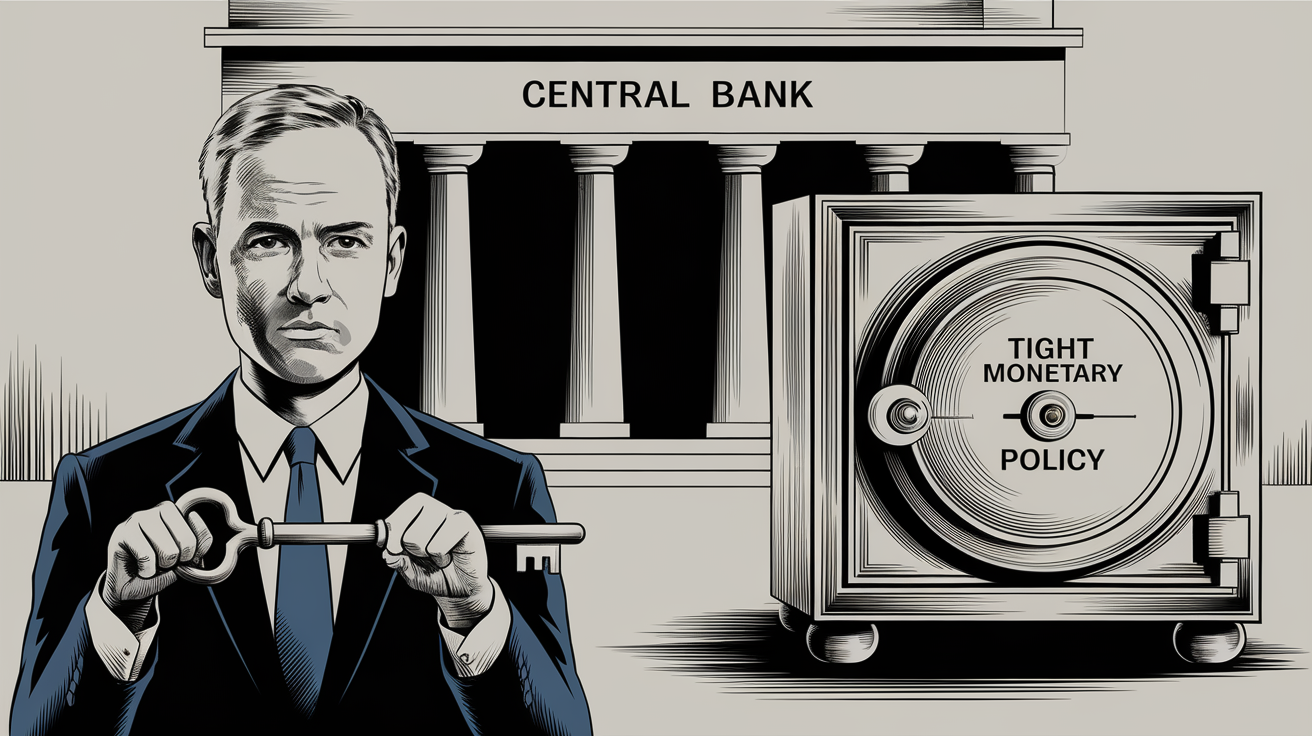
- Monetary Policy:
Central banks may adjust interest rates based on employment trends.
- Fiscal Policy:
Governments might increase spending or cut taxes to stimulate job creation.
- Labor Market Programs:
Training and education initiatives aim to improve workforce skills and employability.
Challenges in Interpreting Jobs Growth
While jobs growth is a useful indicator, it has limitations.
- Quality vs. Quantity:
Not all new jobs offer good wages or stability.
- Underemployment:
Some workers may have jobs but not enough hours or skills matching their qualifications.
- Data Lag:
Employment data can be delayed or revised, affecting real-time analysis.
Conclusion
Jobs growth is a vital concept in labor economics that reflects how well an economy creates employment opportunities. It influences income levels, economic confidence, and policy decisions.
By understanding the factors behind jobs growth and its measurement, you can better interpret economic news and make informed decisions about your career or investments.
What is the difference between jobs growth and employment rate?
Jobs growth measures the increase in total jobs over time, while the employment rate shows the percentage of the working-age population currently employed.
How does technology affect jobs growth?
Technology can reduce jobs in some sectors through automation but also creates new jobs in emerging industries, changing the overall job landscape.
Why is jobs growth important for investors?
Strong jobs growth signals economic expansion, which can boost company profits and stock market performance, making it a key indicator for investors.
Can jobs growth occur during a recession?
It’s rare, but some sectors may still add jobs during a recession, especially those providing essential services or benefiting from government stimulus.
How do government policies influence jobs growth?
Policies like tax cuts, subsidies, or training programs can encourage businesses to hire more workers, directly impacting jobs growth rates.