What is Multiplier In Macroeconomics?
Understand the multiplier in macroeconomics, how it impacts economic growth, and its role in fiscal policy with clear examples and insights.
Introduction to the Multiplier in Macroeconomics
When you hear economists talk about the multiplier, they refer to a powerful concept that explains how initial spending can lead to a bigger overall impact on the economy. It shows how one dollar spent can create more than one dollar in economic activity.
Understanding the multiplier helps you see why government spending or investment can boost growth and how different sectors interact to influence the economy’s health. Let’s explore what the multiplier is, how it works, and why it matters to you.
What is the Multiplier Effect?
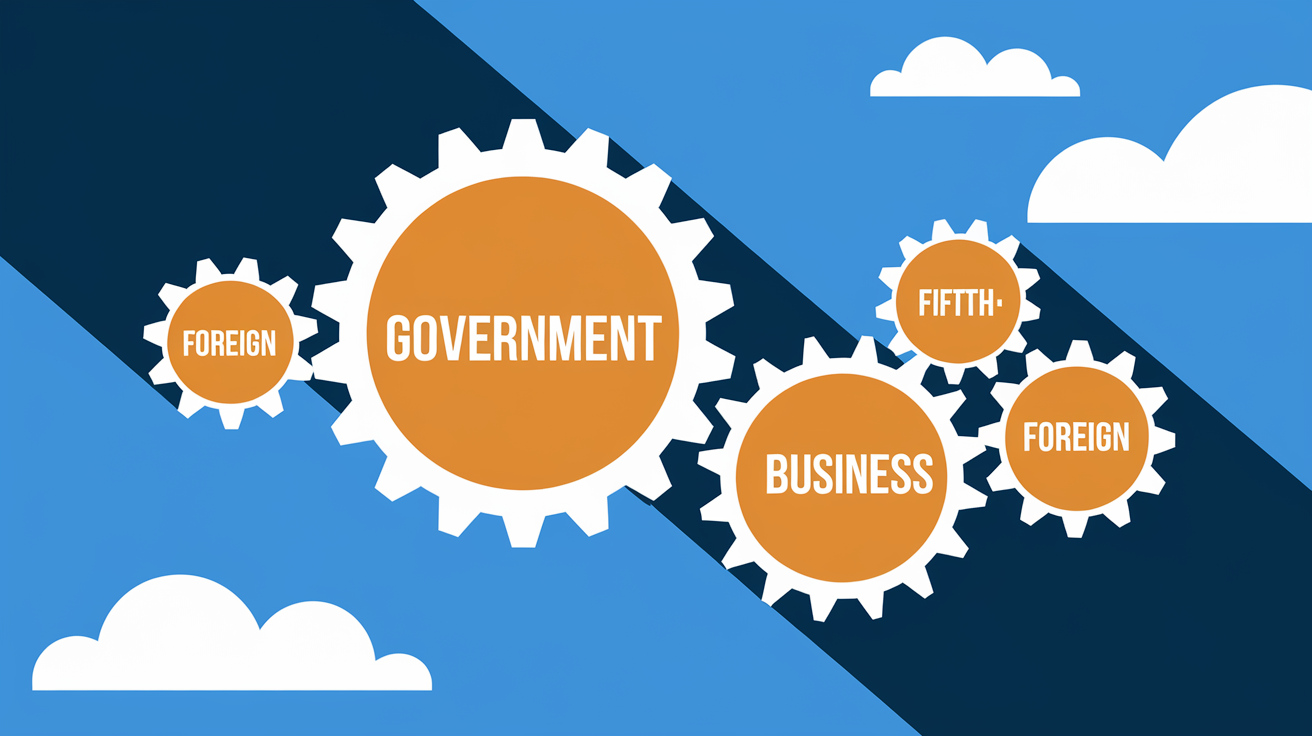
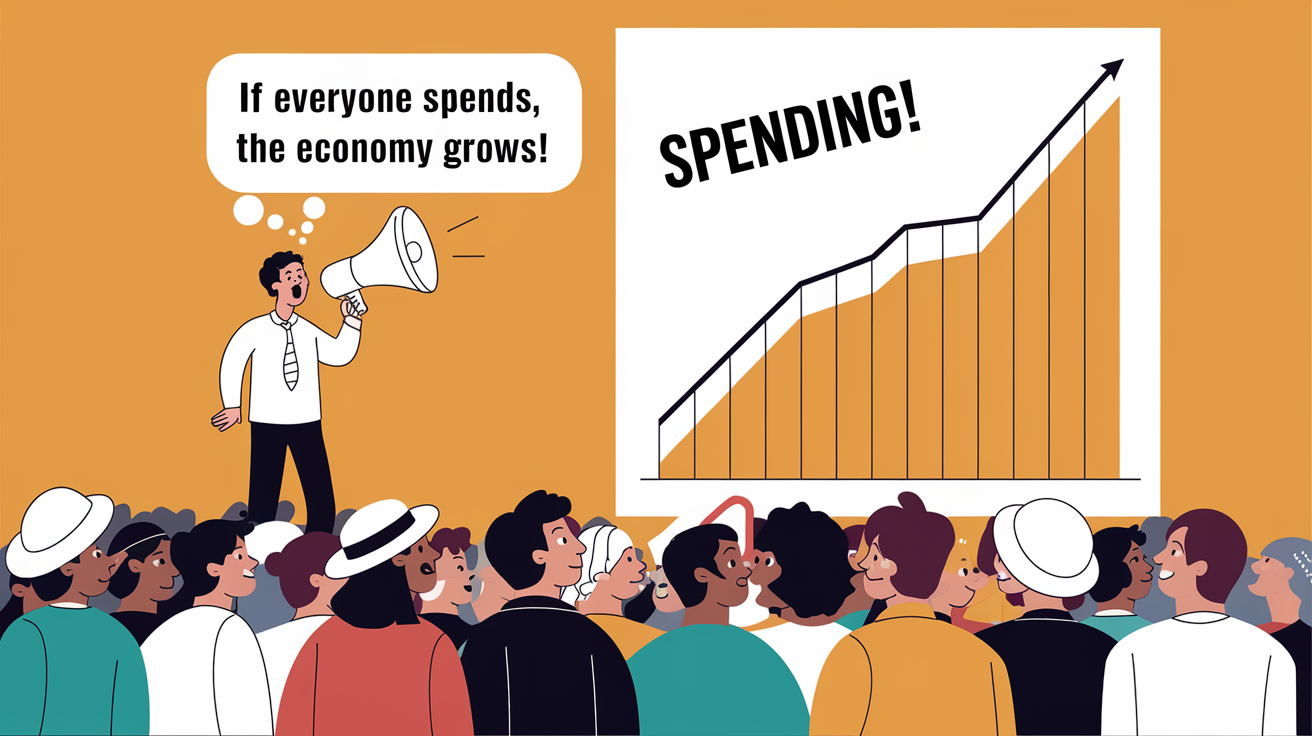
The multiplier effect in macroeconomics describes how an initial change in spending leads to a larger change in overall economic output. It’s based on the idea that one person’s spending becomes another person’s income, which then gets spent again, creating a ripple effect.
- Initial Spending:
For example, if the government builds a new highway, it pays workers and buys materials.
- Income Generation:
Workers and suppliers get paid and then spend their income on goods and services.
- Further Spending:
This new spending supports other businesses and workers, continuing the cycle.
This chain reaction means the total increase in economic activity is a multiple of the original spending.
How is the Multiplier Calculated?
The size of the multiplier depends on how much of each dollar received is spent again rather than saved. This is called the marginal propensity to consume (MPC).
- Marginal Propensity to Consume (MPC):
The fraction of additional income that people spend instead of saving.
- Multiplier Formula:
The basic formula is 1 divided by (1 minus MPC), or
Multiplier = 1 / (1 - MPC).
For example, if the MPC is 0.8, the multiplier is 1 / (1 - 0.8) = 5. This means every dollar spent initially could generate five dollars in total economic output.
Types of Multipliers in Macroeconomics
There are several types of multipliers that economists study to understand different economic activities:
- Fiscal Multiplier:
Measures the effect of government spending or tax changes on GDP.
- Investment Multiplier:
Shows how business investments lead to increased income and output.
- Export Multiplier:
Captures how exports stimulate domestic production and income.
Each multiplier varies depending on the economic context and the sector involved.
Factors Influencing the Size of the Multiplier
The multiplier is not fixed. Several factors affect how large or small it can be:
- Marginal Propensity to Consume:
Higher MPC means a bigger multiplier.
- Tax Rates:
Higher taxes reduce disposable income, lowering the multiplier.
- Imports:
If spending leaks out to imports, the multiplier shrinks.
- Capacity Utilization:
If the economy is near full capacity, increased spending may cause inflation rather than output growth.
Understanding these factors helps policymakers design effective fiscal strategies.
Why is the Multiplier Important for Fiscal Policy?
Governments use the multiplier concept to estimate how changes in spending or taxes will affect the economy. It guides decisions on:
- Stimulus Packages:
To boost growth during recessions, governments increase spending knowing the multiplier will amplify the effect.
- Tax Cuts:
Lower taxes increase disposable income, encouraging spending and economic expansion.
- Budget Planning:
Predicting the economic impact of fiscal measures helps balance growth and inflation risks.
By understanding the multiplier, you can better grasp why governments act in certain ways during economic downturns or booms.
Real-World Examples of the Multiplier Effect
Several historical cases show how the multiplier works in practice:
- New Deal Programs:
During the Great Depression, government spending on infrastructure created jobs and boosted demand, increasing overall economic activity.
- 2008 Financial Crisis Stimulus:
Many countries used fiscal stimulus to counteract recession effects, relying on the multiplier to revive growth.
- Infrastructure Investment Today:
Modern governments invest in transport and technology projects expecting a strong multiplier impact on jobs and GDP.
These examples demonstrate the multiplier’s role in shaping economic recovery and growth.
Limitations and Criticisms of the Multiplier Concept
While the multiplier is a useful tool, it has some limitations:
- Estimation Challenges:
Measuring the exact size of the multiplier is difficult and varies by country and time.
- Leakages:
Spending can leak through savings, taxes, or imports, reducing the multiplier effect.
- Inflation Risk:
If the economy is already at full capacity, increased spending may cause inflation instead of growth.
- Time Lags:
The multiplier effect takes time to work through the economy, delaying results.
These factors mean policymakers must use the multiplier carefully alongside other economic tools.
How You Can Use the Multiplier Concept
Even if you’re not a policymaker, understanding the multiplier can help you:
Recognize how government spending affects job markets and business opportunities.
Understand why economic stimulus can lead to faster recovery after downturns.
Make informed decisions about investing in sectors likely to benefit from fiscal policies.
Knowing the multiplier gives you a clearer picture of the economic forces shaping your financial environment.
Conclusion
The multiplier in macroeconomics explains how initial spending can generate a larger total impact on the economy. It highlights the interconnectedness of income, spending, and production.
By grasping the multiplier effect, you gain insight into fiscal policy decisions, economic growth drivers, and how different factors influence the economy’s response to spending changes. This knowledge empowers you to better understand economic news and make smarter financial choices.
FAQs
What is the difference between the multiplier and marginal propensity to consume?
The multiplier shows total economic impact from initial spending, while marginal propensity to consume (MPC) is the fraction of extra income people spend. MPC helps calculate the multiplier.
How does government spending use the multiplier effect?
Government spending increases income for workers and businesses, who then spend more, creating a chain reaction that boosts overall economic output beyond the initial amount.
Can the multiplier be negative?
Yes, if spending cuts or tax increases reduce income and consumption, the multiplier effect can work in reverse, shrinking economic activity.
Why does the multiplier vary between countries?
Differences in consumption habits, tax systems, import levels, and economic structures cause the multiplier to vary across countries and situations.
Does the multiplier always lead to economic growth?
Not always. If the economy is at full capacity, increased spending can cause inflation rather than growth, limiting the multiplier’s positive effect.