What is Equilibrium In Economics
Explore the concept of equilibrium in economics, its types, and how it balances markets for better financial decisions.

Introduction
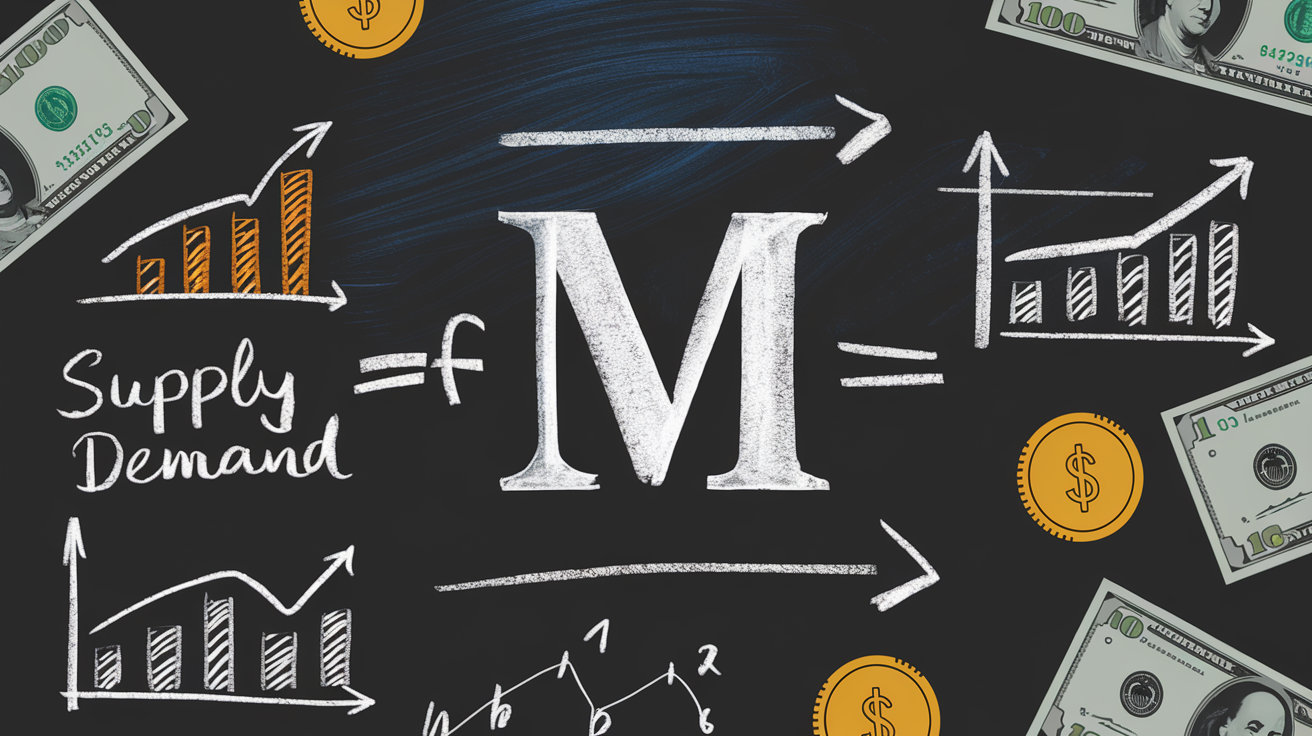
Understanding equilibrium in economics is key to grasping how markets function. It helps you see how supply and demand interact to set prices and quantities.
In this article, we'll explore what economic equilibrium means, its different types, and why it matters for both consumers and businesses.
What is Economic Equilibrium?
Economic equilibrium occurs when market supply equals market demand. At this point, the quantity of goods buyers want to purchase matches the quantity sellers want to sell.
This balance means there is no pressure for prices to change, creating a stable market environment.
Prices tend to stabilize at equilibrium.
Markets clear without shortages or surpluses.
Both buyers and sellers are satisfied with the transaction levels.
Types of Economic Equilibrium
1. Partial Equilibrium
Partial equilibrium focuses on a single market or sector, ignoring the rest of the economy. It analyzes how supply and demand interact in that specific market.
This approach is useful for understanding price changes or policy impacts in one industry without considering wider effects.
2. General Equilibrium
General equilibrium looks at all markets in an economy simultaneously. It studies how changes in one market affect others and how the entire economy reaches balance.
This comprehensive view helps economists predict broader economic outcomes and policy impacts.
3. Dynamic Equilibrium
Dynamic equilibrium considers how markets adjust over time. It captures ongoing changes in supply, demand, and prices as the economy evolves.
This type recognizes that equilibrium isn’t always static but can shift with new information or external shocks.
How Economic Equilibrium Works
Imagine a market for coffee. If the price is too high, sellers produce more than buyers want, creating a surplus. Sellers then lower prices to attract buyers.
Conversely, if the price is too low, demand exceeds supply, causing shortages. Prices rise as buyers compete for limited goods.
Price adjustments continue until supply equals demand.
At equilibrium, the market clears efficiently.
This process helps allocate resources optimally.
Why is Economic Equilibrium Important?
Equilibrium helps you understand how markets self-regulate. It explains why prices don’t constantly fluctuate wildly and how resources are distributed effectively.
For businesses, knowing equilibrium points aids in setting prices and production levels. For consumers, it ensures fair pricing and availability.
Supports efficient market functioning.
Guides policy decisions to avoid market failures.
Helps predict effects of taxes, subsidies, or regulations.
Factors That Can Disrupt Equilibrium
Several factors can shift supply or demand, disturbing equilibrium. These include:
Changes in consumer preferences.
Technological advances affecting production.
Government interventions like taxes or price controls.
External shocks such as natural disasters or geopolitical events.
When these occur, markets adjust through price and quantity changes until a new equilibrium is reached.
Examples of Economic Equilibrium in Real Life
Consider the housing market. If demand rises due to population growth but supply remains fixed, prices increase until new construction balances demand.
In stock markets, equilibrium prices reflect the balance between buyers and sellers based on available information.
Farmers adjusting crop production based on market prices.
Retailers managing inventory to match consumer demand.
Labor markets balancing job openings with job seekers.
Conclusion
Economic equilibrium is a fundamental concept that explains how markets find balance between supply and demand. It ensures efficient resource allocation and stable prices.
By understanding equilibrium, you can better analyze market behavior, make informed financial decisions, and appreciate the forces shaping the economy.
What is the difference between partial and general equilibrium?
Partial equilibrium studies one market in isolation, while general equilibrium examines all markets together to see their interconnections.
How does equilibrium affect prices?
Equilibrium sets the price where supply equals demand, preventing shortages or surpluses and stabilizing the market.
Can equilibrium change over time?
Yes, dynamic equilibrium accounts for changes in market conditions, causing shifts in supply, demand, and prices over time.
What happens if government sets price controls?
Price controls can disrupt equilibrium, leading to shortages or surpluses because prices no longer reflect true supply and demand.
Why is equilibrium important for businesses?
Businesses use equilibrium to set optimal prices and production levels, ensuring profitability and market competitiveness.