What is Microeconomics? Key Concepts Explained
Explore what microeconomics is, its key concepts, and how it helps understand individual markets and decision-making in everyday life.
Introduction to Microeconomics
Microeconomics is the branch of economics that focuses on the behavior of individuals and firms in making decisions regarding the allocation of limited resources. It helps you understand how supply and demand shape prices and how consumers and businesses interact in markets.
By studying microeconomics, you gain insights into everyday financial choices and market dynamics, empowering you to make smarter economic decisions and understand policy impacts on a smaller scale.
What Does Microeconomics Study?
Microeconomics examines the economic activities of individual agents rather than the economy as a whole. It looks at how households and firms decide what to buy, produce, and sell.
- Consumer behavior:
How people decide what goods and services to purchase based on preferences and budget constraints.
- Firm production:
How businesses determine the quantity of goods to produce and at what cost.
- Market structures:
Different types of markets such as perfect competition, monopoly, and oligopoly.
- Price determination:
How prices are set through the interaction of supply and demand.
Key Concepts in Microeconomics
Understanding microeconomics requires familiarity with several core concepts that explain how individuals and firms operate.
- Supply and Demand:
The foundation of market economics, showing how prices adjust based on availability and desire for goods.
- Elasticity:
Measures how sensitive quantity demanded or supplied is to changes in price or income.
- Opportunity Cost:
The value of the next best alternative foregone when making a decision.
- Marginal Utility and Marginal Cost:
How additional units consumed or produced affect overall satisfaction or cost.
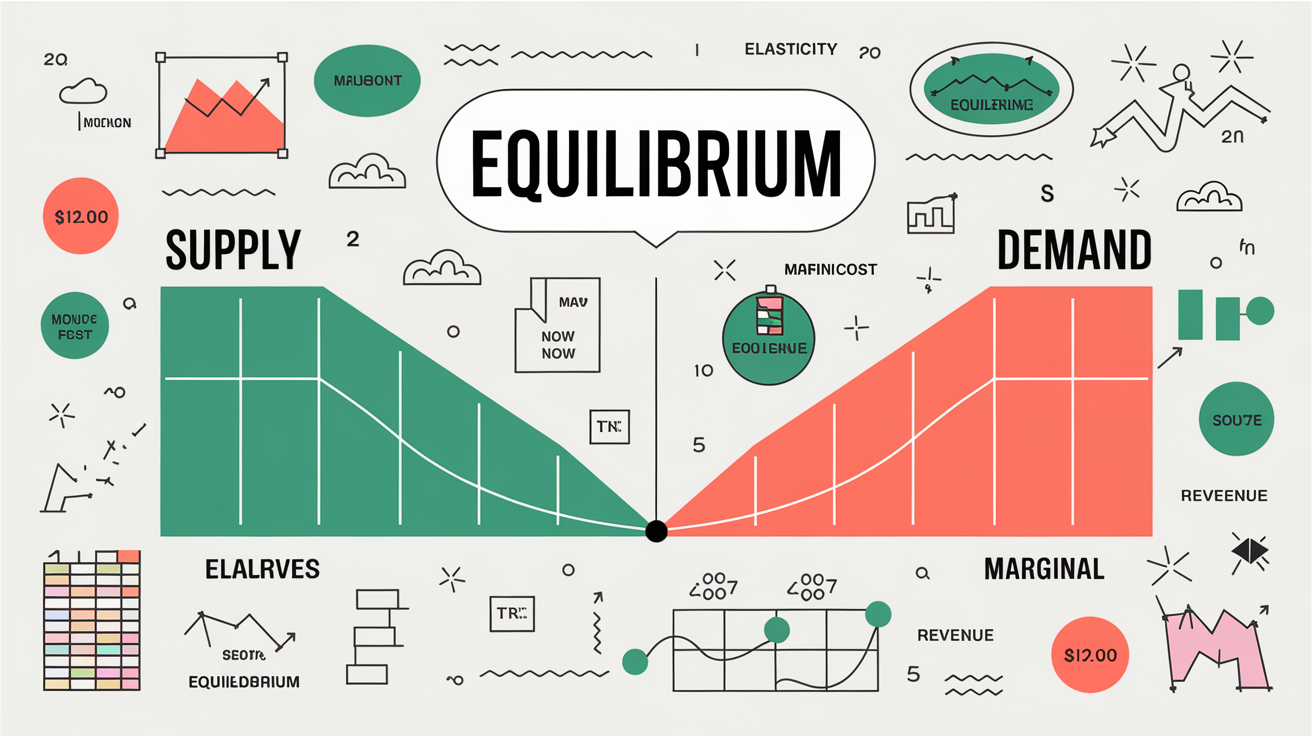
- Market Equilibrium:
The point where supply equals demand, determining the market price and quantity.
Applications of Microeconomics in Daily Life
Microeconomics is not just theory; it impacts your daily financial decisions and the business environment around you.
- Budgeting:
Understanding how to allocate your income efficiently among needs and wants.
- Pricing Strategies:
Businesses use microeconomic principles to set competitive prices and maximize profits.
- Labor Markets:
How wages are determined and how workers decide where to work.
- Government Policies:
Evaluating how taxes, subsidies, and regulations affect individual markets and consumer welfare.
Microeconomics vs. Macroeconomics
While microeconomics focuses on individual markets and agents, macroeconomics looks at the economy as a whole, including inflation, unemployment, and economic growth.
- Microeconomics:
Studies specific markets, consumer choices, and firm behavior.
- Macroeconomics:
Analyzes aggregate indicators like GDP, national income, and overall price levels.
Both fields complement each other to provide a full picture of economic activity.
Conclusion
Microeconomics offers valuable tools to understand how individuals and businesses make decisions in a world of scarcity. It explains the forces behind prices, production, and consumption in everyday markets.
By grasping microeconomic concepts, you can better analyze financial choices, market trends, and policy effects, helping you navigate the economic landscape with confidence.
What is the main focus of microeconomics?
Microeconomics primarily studies how individuals and firms make decisions about resource allocation and how these decisions affect supply, demand, and prices in specific markets.
How does microeconomics affect consumer choices?
It explains how consumers decide what to buy based on preferences, income, and prices, helping predict changes in demand when conditions change.
What role do firms play in microeconomics?
Firms decide what and how much to produce, considering costs and market prices, aiming to maximize profits within competitive environments.
Why is opportunity cost important in microeconomics?
Opportunity cost represents the value of the next best alternative, helping individuals and firms make informed decisions by considering what they give up.
How is microeconomics different from macroeconomics?
Microeconomics focuses on individual markets and agents, while macroeconomics studies the economy-wide phenomena like inflation, unemployment, and GDP growth.