What Is Real Estate Short Sale?
Understand what a real estate short sale is, how it works, and its benefits and risks for buyers and sellers in property transactions.
Introduction to Real Estate Short Sale
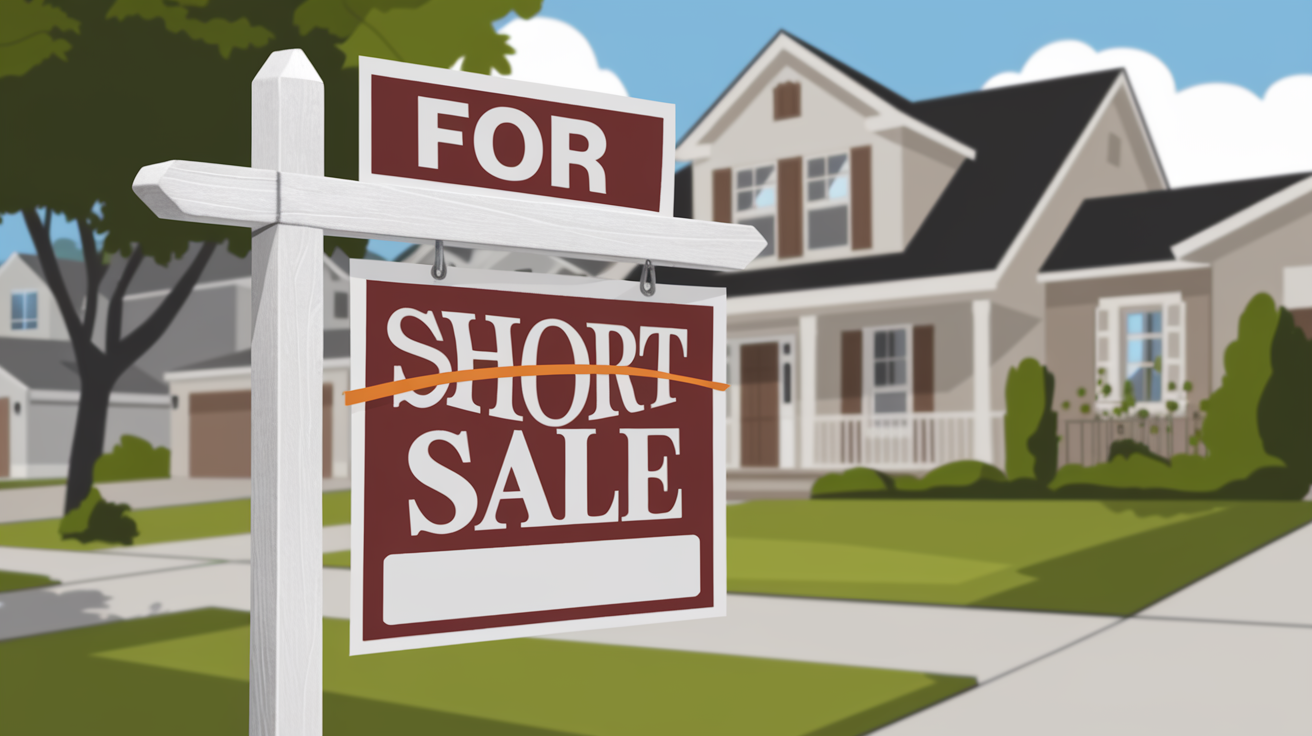
When you hear about real estate short sales, it might sound complex, but it’s a common way to handle property sales when the owner owes more than the home’s value. If you’re facing financial challenges or curious about buying properties at a discount, understanding short sales can be very useful.
In this article, we’ll explore what a real estate short sale means, how it works, and what you should know if you’re involved as a buyer or seller. This knowledge can help you make smarter decisions in the property market.
What Is a Real Estate Short Sale?
A real estate short sale happens when a homeowner sells their property for less than the amount owed on their mortgage. The lender agrees to accept a payoff amount that’s lower than the outstanding loan balance.
This usually occurs when the homeowner is struggling to keep up with mortgage payments and the property’s market value has dropped below the loan amount. Instead of going through foreclosure, a short sale offers a way to avoid that process.
The lender must approve the sale since they will receive less money than owed.
The homeowner avoids the lengthy and damaging foreclosure process.
Buyers can purchase properties below market value, but the process can be slower.
How Does a Short Sale Work?
Short sales involve several steps and parties, including the homeowner, lender, and potential buyers. Here’s a simplified overview:
- Homeowner’s financial hardship:
The seller must prove they cannot afford mortgage payments.
- Listing the property:
The home is put on the market, often at a price below the mortgage balance.
- Offer and lender approval:
Buyers submit offers, but the lender must approve the sale price and terms.
- Negotiation:
The lender reviews the offer and decides whether to accept, reject, or counteroffer.
- Closing the sale:
Once approved, the sale proceeds, and the lender accepts the reduced payoff.
This process can take weeks or months because lenders carefully evaluate the financial impact.
Benefits of a Real Estate Short Sale
Short sales offer advantages for both sellers and buyers, but they also come with challenges.
For Sellers
Avoid foreclosure and its negative credit impact.
Potentially reduce the amount owed to the lender.
Can move on financially faster than with foreclosure.
For Buyers
Opportunity to buy properties below market value.
Potential for investment or homeownership at a discount.
Less competition compared to foreclosure auctions.
Risks and Challenges in Short Sales
Despite benefits, short sales come with risks and delays.
- Lengthy approval process:
Lender approval can take months.
- Uncertainty:
Offers may be rejected or countered multiple times.
- Property condition:
Homes are often sold "as-is," sometimes needing repairs.
- Credit impact:
Sellers still face credit score drops, though less severe than foreclosure.
Short Sale vs. Foreclosure: What’s the Difference?
Both options occur when homeowners can’t pay their mortgage, but they differ significantly.
- Short Sale:
Homeowner sells the property with lender approval for less than owed.
- Foreclosure:
Lender takes ownership after homeowner defaults and sells the property.
Short sales tend to be less damaging to credit and allow homeowners more control over the sale process.
Tips for Buyers Interested in Short Sales
If you want to buy a short sale property, keep these tips in mind:
Be patient; the process can be slow due to lender approvals.
Work with a real estate agent experienced in short sales.
Get pre-approved for financing to strengthen your offer.
Inspect the property carefully since it’s usually sold as-is.
Understand that the lender has the final say on the sale.
Conclusion
Real estate short sales provide a way for homeowners to avoid foreclosure and for buyers to purchase properties below market value. While the process can be complex and slow, understanding how short sales work helps you navigate this option confidently.
Whether you’re selling or buying, knowing the benefits and risks of short sales can guide your decisions and potentially save money or protect your credit. Always seek professional advice to handle short sales effectively.
FAQs
What qualifies a homeowner for a short sale?
A homeowner must prove financial hardship and owe more on the mortgage than the property’s current market value to qualify for a short sale.
Does a short sale affect my credit score?
Yes, a short sale impacts credit but usually less severely than a foreclosure, helping homeowners recover faster.
Can buyers negotiate the price in a short sale?
Buyers can make offers, but the lender has the final approval and may accept, reject, or counter the offer.
How long does a short sale typically take?
Short sales often take several months due to lender approval and negotiation processes.
Is a short sale better than foreclosure?
Generally, a short sale is better for credit and allows more control over the sale, but it depends on individual circumstances.